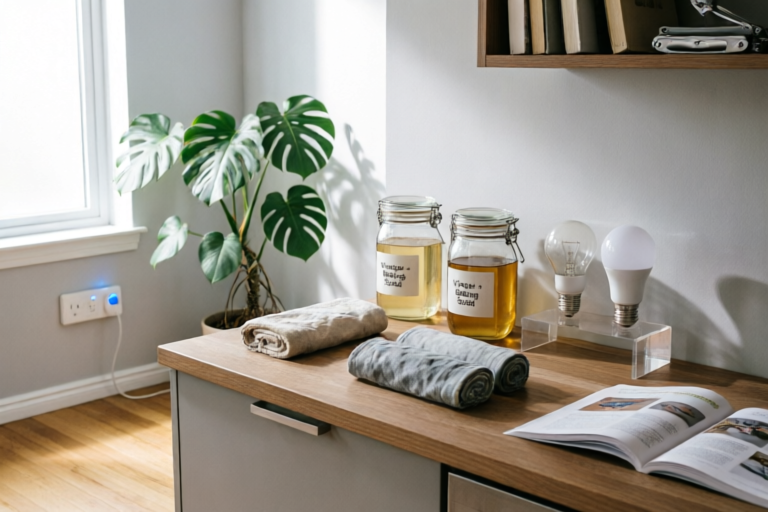
Simple Household Hacks That Can Slash Your Monthly Expenses
Cut Costs with Simple Household Hacks
Introduction to Household Hacks for Cost Savings
Brief overview of common household expenses:
Households face a variety of expenses each month, ranging from utility bills to groceries and maintenance costs. Understanding where these expenses come from is the first step towards reducing them. Common areas where money is often wasted include electricity, water, and unnecessary purchases.
Importance of saving money through small changes in daily habits:
Small adjustments in everyday routines can have a significant impact on your monthly budget. By making conscious choices about how you use resources and manage finances, you can save money without drastically changing your lifestyle. The key lies in being mindful of where you spend and finding ways to optimize.
How simple hacks can significantly reduce monthly costs:
This article will explore various household hacks that are both easy to implement and highly effective in cutting down monthly expenses. From energy-saving tips to water conservation techniques, there are numerous ways to make your home more efficient and cost-effective.
Energy-Saving Tips for Lower Utility Bills
Switching to energy-efficient appliances:
One of the most impactful ways to reduce your utility bills is by investing in energy-efficient appliances. Look for models with high energy star ratings, which consume less power while maintaining performance. Over time, these investments pay off through lower electricity bills.
Utilizing smart thermostats and programmable lights:
Smart thermostats allow you to control your home's temperature remotely, ensuring it’s only heated or cooled when necessary. Similarly, programmable lights can be set to turn off automatically after a certain period, preventing unnecessary usage. Both devices contribute to substantial energy savings.
Proper insulation techniques to keep heating and cooling costs down:
Improving insulation in your home helps maintain comfortable temperatures year-round, reducing the need for excessive heating or cooling. This can be achieved by adding weatherstripping around doors and windows, sealing gaps in walls, and using thermal curtains.
Water Conservation Techniques
Fixing leaks promptly to avoid wastage:
Even minor leaks can result in significant water loss over time. Regularly check for dripping faucets, running toilets, and other potential issues. Addressing these problems quickly not only conserves water but also prevents damage to your home.
Installing low-flow fixtures like showerheads and faucets:
Low-flow fixtures reduce water consumption without compromising functionality. These devices limit the amount of water flowing through taps and showers, helping to lower your water bill.
Collecting rainwater for gardening purposes:
Harvesting rainwater provides an eco-friendly alternative for watering plants and gardens. Rain barrels collect runoff from rooftops, which can then be used for irrigation during dry periods.
Smart Shopping Strategies
Creating a shopping list before heading to the grocery store:
Going grocery shopping with a well-planned list helps avoid impulse buys and ensures you only purchase what you need. This practice reduces food waste and keeps your spending under control.
Comparing prices between different stores or online platforms:
Before making a purchase, compare prices across multiple retailers. Online marketplaces often offer better deals than physical stores. Additionally, consider joining loyalty programs or signing up for coupons to get additional discounts.
Buying generic brands instead of name brands when possible:
Generic products are typically just as good as their branded counterparts but come at a lower price point. Try substituting some of your usual brand-name items with store brands to see if you notice any difference.
DIY Maintenance Projects
Learning basic home repair skills to avoid costly professional services:
Developing basic home repair skills can save you money on hiring professionals. Learn how to fix common issues like leaky faucets, clogged drains, and minor electrical problems. There are plenty of tutorials available online that can guide you through the process.
Upcycling old items rather than purchasing new ones:
Instead of throwing away old furniture or clothing, try repurposing them into something useful. Upcycling projects not only extend the life of existing items but also add personal touches to your home decor.
Seasonal cleaning tips that extend the life of household goods:
Regular cleaning helps maintain the quality of your belongings. Follow proper cleaning techniques specific to different materials to prevent wear and tear. For example, use gentle detergents for delicate fabrics and avoid harsh chemicals on wooden surfaces.
Conclusion: Implementing These Hacks into Daily Life
Recap of key points discussed in the article:
We’ve explored several household hacks aimed at reducing monthly expenses. From improving energy efficiency and conserving water to adopting smarter shopping habits and taking on DIY projects, each tip plays a role in achieving greater financial stability.
Encouragement to start with one change at a time:
Implementing all these changes simultaneously may seem overwhelming. Start by focusing on one area first—perhaps switching to energy-efficient light bulbs or creating a detailed shopping list. Gradually incorporate more tips as you become comfortable with each adjustment.
Long-term benefits of adopting these practices for financial stability:
The long-term benefits of practicing these household hacks far outweigh the initial effort required. Consistently applying these strategies can lead to noticeable savings over time, contributing positively to your overall financial health.
Comments

Switched to low-flow showerheads and noticed a big drop in water bills. Worth the investment!

I tried the seasonal cleaning tips but still feel like my stuff wears out fast. Any other ideas?

Learning basic plumbing saved me a fortune. I fixed a leaky faucet myself and it worked like a charm!

Rainwater collection is a game changer for my garden. Any advice on setting up a system?

Creating a list really helps me stick to my budget. Does anyone have tips on how to resist impulse buys?

I've been upcycling for years now. My latest project was turning an old dresser into a coffee table. It looks great!
Just tried switching to energy-efficient bulbs, and my electric bill is already lower! Anyone else seen a difference?