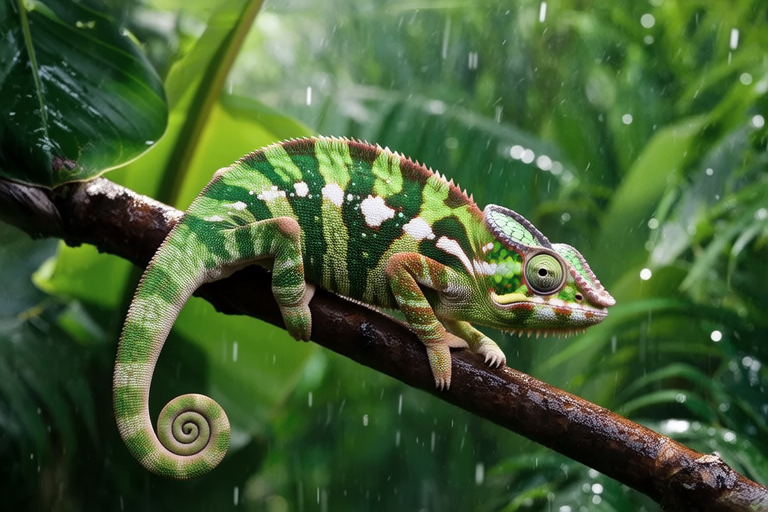
The Ultimate Guide: How to Create a Happy and Healthy Habitat for Your Chameleon
Welcome to the world of chameleon care! Creating a happy and healthy habitat for your chameleon is an exciting journey that requires careful planning and attention to detail. This guide will walk you through everything you need to know, from selecting the right enclosure to providing the perfect diet. Whether you’re a first-time owner or have years of experience, this comprehensive guide will help ensure your chameleon thrives.
Selecting the Right Enclosure Size and Type
Choosing the right enclosure is crucial for your chameleon’s well-being. Chameleons need vertical space to climb and bask, so the height of the enclosure is more important than its width. A minimum of 24 inches wide by 48 inches tall is recommended for adult chameleons. For juveniles, a smaller enclosure can be used initially, but they will quickly outgrow it and require a larger space.
There are several types of enclosures available, but the most suitable one for chameleons is a screen cage. Screen cages provide excellent ventilation, which is vital for preventing respiratory issues. They also allow for better air circulation, which is necessary for maintaining proper humidity levels. Avoid glass tanks unless you are experienced with setting up the correct ventilation system.
Proper Lighting Requirements Including UVB
Chameleons rely on specific lighting to meet their dietary and metabolic needs. The most critical light requirement is UVB radiation, which helps chameleons synthesize vitamin D3. Without adequate UVB exposure, chameleons can develop metabolic bone disease (MBD), a serious condition that weakens bones and causes deformities.
To provide sufficient UVB, use a high-quality UVB bulb designed for reptiles. Place the bulb at the top of the enclosure, ensuring it covers at least half of the tank’s surface area. Position the bulb so that it is directly above the basking branch. Replace the bulb every six months, even if it still appears to be working, as UVB output diminishes over time.
In addition to UVB, chameleons need a full-spectrum fluorescent light to mimic natural daylight. This light helps regulate their circadian rhythms and enhances their mood. Full-spectrum lights should be left on for 10-12 hours per day to simulate a natural day-night cycle.
Temperature Gradients for Basking and Cooler Areas
Chameleons are ectothermic, meaning they rely on external heat sources to regulate their body temperature. It’s essential to create a temperature gradient within the enclosure, allowing your chameleon to thermoregulate effectively.
The basking spot should reach temperatures between 90-100°F (32-38°C). Use a ceramic heat emitter or a specialized reptile heat lamp placed above the basking branch to achieve these temperatures. The rest of the enclosure should have a cooler area, ideally around 75-80°F (24-27°C).
A reliable thermometer with multiple probes placed throughout the enclosure will help monitor these temperature zones. Be cautious about overheating, as it can lead to dehydration and other health issues.
Humidity Levels
Chameleons come from humid environments, and maintaining the right humidity level is crucial for their respiratory health. Aim for humidity levels between 40-60% during the day, increasing to 70-80% at night. This mimics the natural diurnal cycle found in their native habitats.
To maintain proper humidity, mist the enclosure twice daily using a spray bottle. Automated misting systems can also be used for convenience. Additionally, placing a water dish or dripper system can help increase humidity and provide a source of drinking water. Ensure the enclosure has good ventilation to prevent stagnant air, which can lead to respiratory infections.
Substrate Options
The choice of substrate is important for maintaining cleanliness and preventing ingestion-related health problems. Unlike many other reptiles, chameleons don’t spend much time on the ground, so substrate isn’t necessary for them. In fact, using substrate can lead to ingestion of particles, causing impaction or other digestive issues.
If you prefer to use substrate, opt for a non-ingestible material like artificial turf or paper towels. These materials are easy to clean and pose minimal risk to your chameleon. Avoid substrates like sand, gravel, or wood shavings, as they can be harmful if ingested.
Appropriate Plants and Decorations for Climbing and Hiding
Providing a variety of live or artificial plants and branches is essential for creating a stimulating and enriching environment. Chameleons love to climb and hide, so offering multiple levels of foliage and branches will encourage natural behaviors.
Live plants such as pothos, hibiscus, and fiddle leaf figs are great choices. Not only do they provide climbing opportunities, but they also add aesthetic value and improve air quality. Make sure any live plants are safe for chameleons and free from pesticides. Artificial plants can also be used as alternatives, especially if you want to avoid potential pesticide residues.
Branches of varying diameters should be provided to accommodate different climbing preferences. Ensure that all branches are securely anchored and stable. Adding vines or ropes can further enhance climbing options and add visual appeal to the enclosure.
Diet Specifics for Optimal Nutrition
A balanced diet is key to keeping your chameleon healthy and vibrant. Chameleons are insectivores, primarily consuming insects. A diverse range of feeder insects, including crickets, dubia roaches, and silkworms, should make up the bulk of their diet. Offer insects daily, varying the species to ensure a broad spectrum of nutrients.
It’s important to gut-load feeder insects before feeding them to your chameleon. Gut-loading involves feeding the insects a nutritious diet rich in vitamins and minerals. You can purchase commercial gut-loading diets or create your own using fresh vegetables and fruits. Dust the feeder insects with a calcium supplement without vitamin D3 every two to three feedings and a multivitamin once a week.
Regular Health Checks
Scheduling regular health checks is vital for early detection of any issues. Familiarize yourself with normal chameleon behavior and appearance, as subtle changes can indicate underlying problems. Look for signs of lethargy, loss of appetite, swollen eyes, or discolored skin. If you notice any concerning symptoms, consult a veterinarian specializing in reptiles immediately.
Annual visits to a reptile veterinarian are recommended for routine check-ups and vaccinations. During these visits, your veterinarian can perform a thorough examination, including blood tests and fecal analysis, to ensure your chameleon remains healthy.
Tips for Maintaining a Clean Habitat
Maintaining a clean habitat is crucial for preventing illness and promoting overall well-being. Regular cleaning routines should include:
- Spot cleaning daily to remove uneaten food and waste.
- Washing branches and decorations weekly with a reptile-safe disinfectant.
- Deep cleaning the enclosure monthly, including removing and replacing substrate if used.
- Checking and cleaning water dishes regularly to prevent bacterial growth.
Always use products specifically designed for reptile habitats to avoid introducing harmful chemicals. Proper hygiene practices will contribute to a healthier living environment for your chameleon.
Creating a happy and healthy habitat for your chameleon requires dedication and attention to detail. By following the guidelines outlined in this ultimate guide, you’ll be well on your way to providing your chameleon with a thriving home. Remember, each chameleon is unique, so pay close attention to their individual needs and adjust the habitat accordingly. With the right setup and care, your chameleon will lead a long, healthy, and fulfilling life.
