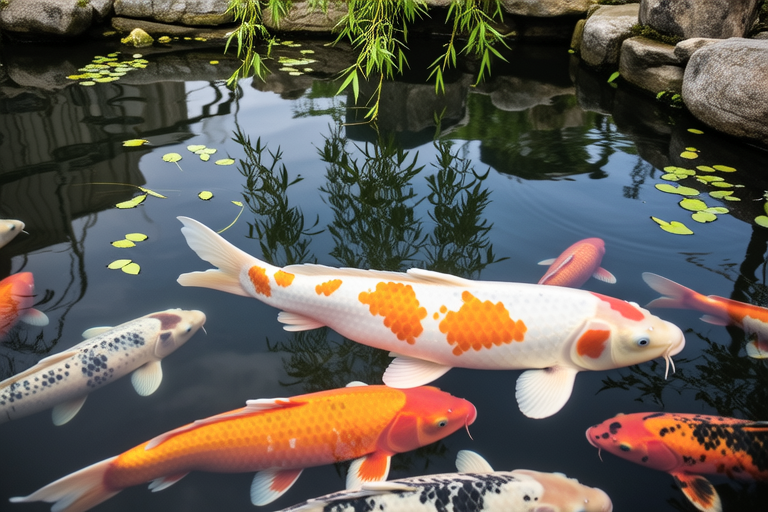
Unleashing the Beauty: A Comprehensive Guide to Koi Pond Care
Koi ponds are not just water features; they are living ecosystems that require careful attention to maintain the health and beauty of the koi fish. This guide aims to provide you with all the necessary information to set up, maintain, and enjoy your koi pond. Whether you’re a beginner or an experienced koi keeper, this comprehensive guide will help you create a healthy and vibrant environment for your koi.
Pond Setup
The first step in koi pond care is setting up the pond itself. The location, size, and shape of your pond can significantly impact the health and happiness of your koi. Ideally, your pond should be located in a spot that receives partial shade, as direct sunlight can lead to excessive algae growth. The depth of the pond should be at least three feet deep to ensure the fish have enough space to swim comfortably and to provide a cool refuge during hot weather.
When designing your pond, consider incorporating shelves or ledges at various depths to create different habitats within the pond. These areas can serve as resting spots for your koi, especially during colder months when they tend to become less active. Additionally, ensure that the pond has a gradual slope from the shallow end to the deep end, which allows for better water circulation and easier cleaning.
Adequate filtration is crucial for any koi pond. Filters help remove debris, excess food, and harmful chemicals from the water, ensuring it remains clean and oxygenated. There are several types of filters available, including biological, mechanical, and chemical filters. Biological filters promote the growth of beneficial bacteria that break down waste products, while mechanical filters trap large particles like leaves and uneaten food. Chemical filters use substances like activated carbon to absorb dissolved organic compounds and medications.
Water Quality Maintenance
Maintaining good water quality is essential for the health of your koi. Regularly test the water parameters such as pH, ammonia, nitrite, and nitrate levels. Aim for a pH level between 7.2 and 8.0, as koi prefer slightly alkaline water. Ammonia and nitrite levels should always read zero, as these substances are toxic to fish. Nitrate levels should be kept below 40 ppm (parts per million).
To achieve optimal water quality, perform regular water changes. Depending on the size of your pond and the number of fish, aim to change about 10% to 20% of the water weekly. Use a dechlorinator to neutralize any chlorine or chloramines present in tap water before adding it to the pond. Additionally, ensure proper aeration by installing an air pump and diffuser system. Oxygen is vital for the survival of your koi, especially during warmer months when oxygen levels naturally decrease.
Feeding Guidelines
Proper nutrition is key to keeping your koi healthy and vibrant. Koi are omnivorous and require a balanced diet consisting of proteins, carbohydrates, fats, vitamins, and minerals. High-quality commercial koi pellets are a convenient and nutritious option, but you can also supplement their diet with fresh vegetables, fruits, and occasional live or frozen foods.
Feed your koi small amounts of food multiple times throughout the day, rather than one large meal. This mimics their natural feeding behavior and helps prevent overfeeding. Overfeeding can lead to poor water quality and obesity in your koi. As a general rule, feed them only what they can consume within five minutes. Adjust the amount based on the temperature of the water; reduce feeding during cooler periods when their metabolism slows down.
Common Health Issues for Koi
Despite your best efforts, koi may still encounter health problems. Some common issues include fin rot, ich (white spot disease), and bacterial infections. Fin rot manifests as frayed or disintegrating fins and can be caused by poor water quality or physical damage. Ich appears as tiny white spots on the body and fins of the fish and is typically triggered by sudden changes in water temperature. Bacterial infections often result from injuries or stress and can cause redness, ulcers, or lethargy.
If you notice any signs of illness in your koi, quarantine the affected fish immediately to prevent the spread of disease. Treat the pond water with appropriate medications recommended by a veterinarian or aquatics specialist. Always follow the instructions carefully and monitor the fish closely for improvement. Prevention is better than cure, so maintaining excellent water quality and reducing stress factors like overcrowding can go a long way in keeping your koi healthy.
Seasonal Care Tips
Seasons play a significant role in koi pond care. During spring, check for any winter damage to the pond structure and equipment. Clean out any debris that accumulated over the winter months and perform a thorough water change to refresh the water. Gradually increase the feeding frequency as the water temperature rises.
In summer, pay extra attention to water quality due to increased evaporation and higher temperatures. Ensure adequate filtration and aeration systems are functioning properly. Keep an eye on the fish for signs of heat stress, such as labored breathing or reduced activity. Provide shade if necessary to keep the water cooler.
Fall brings cooler temperatures and changing light conditions. Reduce feeding as the water cools, as koi become less active and their metabolic rates slow down. Prepare the pond for winter by ensuring it’s free from debris and that the filtration system remains operational to prevent stagnation.
Winter care involves protecting your koi from freezing temperatures. If your pond freezes over completely, install a de-icer or bubbler to keep a hole open for gas exchange. Monitor the water temperature and adjust the heating or insulation measures accordingly. Avoid disturbing the fish too much during this time, as they need rest.
Decorative Elements That Enhance the Beauty of the Pond
In addition to providing a healthy environment for your koi, there are many ways to enhance the aesthetic appeal of your pond. Incorporate rocks and stones around the edges to create a natural look and provide hiding places for the fish. Floating plants like water lilies and lotus add color and texture while helping to filter the water naturally. Submerged plants, such as hornwort and anacharis, offer oxygen and shelter for young fry.
Lighting can dramatically transform the appearance of your koi pond at night. Choose LED lights that emit a soft glow without being too harsh on the fish’s eyes. Consider adding waterfalls or fountains to add movement and sound to the pond. These features not only improve circulation but also create a soothing ambiance.
Finally, consider integrating artificial elements like statues or bridges. These additions can complement the natural beauty of your pond and create focal points for visitors to admire.
Conclusion
Creating and maintaining a thriving koi pond requires dedication and knowledge. By following the guidelines outlined in this article, you can ensure that your koi remain healthy, happy, and beautiful. Remember that each pond is unique, so tailor your approach based on specific needs and circumstances. With patience and care, you’ll be rewarded with a stunning aquatic oasis that brings joy and tranquility to your home.
