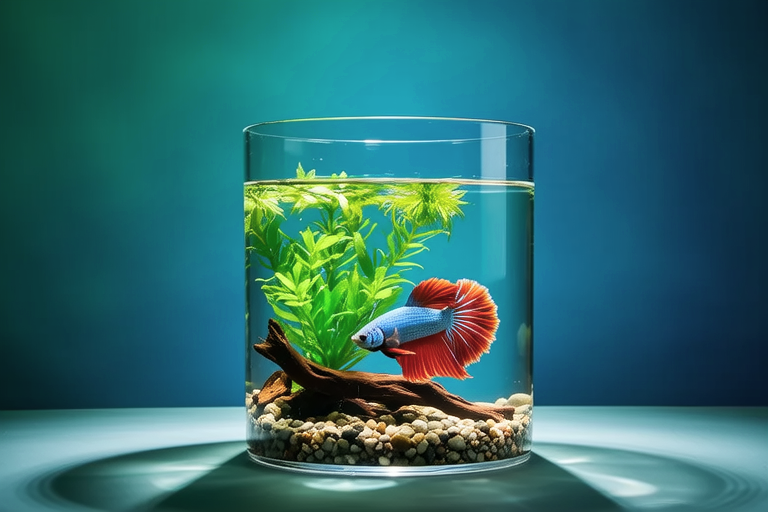
How to Create an Instagram-Worthy Betta Tank Setup
Creating an Instagram-worthy betta tank setup requires a balance between creativity and functionality, ensuring your fish’s safety and well-being. This comprehensive guide will walk you through each step of building a visually stunning and healthy environment for your betta fish.
Selecting the Right Tank Size
The first step in creating an Instagram-worthy betta tank is choosing the right tank size. While many believe bettas can live in small containers, they actually thrive in larger environments. A minimum tank size of 5 gallons is recommended, as it provides ample space for swimming and ensures better water quality. Opt for a rectangular tank, which offers more surface area for oxygen exchange. For optimal aesthetics, consider a tank with a unique shape or color that complements your home decor.
Choosing the Appropriate Substrate
The substrate, or the material at the bottom of the tank, plays a crucial role in both the appearance and health of your betta’s habitat. Gravel or sand are popular choices, but consider using aquarium-safe stones or driftwood for added texture and visual interest. Ensure the substrate is fine enough so that your betta won’t ingest it during feeding. Avoid substrates that could alter water chemistry or harbor harmful bacteria.
Adding Decorative Elements
To enhance the aesthetics of your betta tank, incorporate various decorative elements such as plants, caves, and bridges. Live plants provide natural beauty and improve water quality by absorbing nitrates and carbon dioxide. Choose hardy aquatic plants like Java Fern, Anubias, or Amazon Sword. Artificial plants offer vibrant colors and easy maintenance. Incorporate caves and bridges for hiding spots and play areas. Ensure all decorations are safe for fish and securely anchored to prevent injuries.
Installing Proper Filtration and Lighting Systems
Proper filtration and lighting are vital for maintaining water quality and promoting healthy growth. Select a filter that suits your tank size, providing gentle water flow to prevent stress and maintain oxygen levels. Consider adding a protein skimmer if you plan to include live plants. For lighting, opt for LED lights that mimic natural sunlight, enhancing plant growth and overall ambiance. Ensure the lighting system has a timer to regulate light cycles and promote a stable environment.
Maintaining Water Quality
Regular water changes and monitoring water parameters are essential for maintaining a healthy environment. Perform weekly partial water changes (25% of the tank volume) to remove waste and replenish beneficial minerals. Test the water regularly for pH, ammonia, nitrite, and nitrate levels using test kits. Maintain a stable temperature between 76°F and 82°F (24°C to 28°C) using a reliable heater. Use a thermometer to monitor temperature fluctuations and adjust as needed.
Styling for Photography
Photographing your betta tank requires attention to composition, lighting, and background. Position the camera at eye level with the tank to capture the best perspective. Utilize natural or soft artificial lighting to highlight colors and details. Experiment with different angles and focal points to find the most appealing shots. Incorporate props or backdrops to add interest and context. Share your photos on social media platforms using relevant hashtags to connect with other aquarists and enthusiasts.
Regular Maintenance Tips
Regular maintenance ensures your betta tank remains clean and visually appealing. Clean the tank glass weekly using algae pads or magnetic cleaners. Rinse decorations under running water to remove debris. Inspect equipment regularly for wear and tear. Replace filters and media according to manufacturer guidelines. Keep a log of water parameters and observations to track trends and address potential issues promptly.
Troubleshooting Common Issues
Despite careful planning, some common issues may arise. Algae blooms indicate excess nutrients or insufficient lighting; address this by increasing water changes and reducing light exposure. Cloudy water suggests poor water quality or overfeeding; perform additional water changes and adjust feeding amounts. Diseased fish require prompt action; quarantine affected individuals and consult with a veterinarian for treatment options. Regularly monitor your betta’s behavior and appearance for signs of distress or illness.
Conclusion
Creating an Instagram-worthy betta tank setup involves thoughtful planning and execution. By selecting the right tank size, choosing appropriate substrate, adding decorative elements, installing proper filtration and lighting systems, maintaining water quality, and styling for photography, you can build a visually stunning and healthy environment for your betta fish. Emphasize creativity and functionality while ensuring the setup is safe and beneficial for your pet. Regular maintenance and troubleshooting common issues will help keep your tank thriving and beautiful for years to come.
