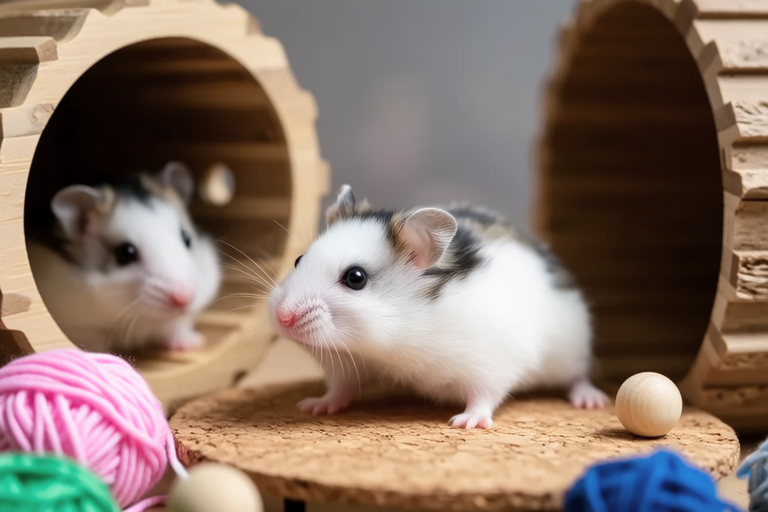
DIY Toys for Roborovski Hamsters: Keeping Your Tiny Friends Happy and Active
Welcome to your comprehensive guide on creating DIY toys that will keep your Roborovski hamsters entertained, stimulated, and healthy. Roborovski hamsters are one of the smallest breeds of hamsters and are known for their high energy levels and curious natures. Providing them with appropriate toys is essential for both their mental and physical well-being. This guide will walk you through creating simple yet effective toys using common household items, ensuring your hamsters stay engaged and mimic their natural environments.
The Importance of Mental and Physical Stimulation for Hamsters
Mental and physical stimulation is crucial for hamsters to maintain good health and happiness. In the wild, hamsters spend most of their time foraging, exploring, and building their nests. Without adequate stimulation, they may become bored or even depressed, leading to health issues such as obesity, lethargy, and behavioral problems. By providing toys that encourage exploration, problem-solving, and physical activity, you help ensure your hamsters lead fulfilling lives.
DIY Tunnel System
This tunnel system mimics the burrows that hamsters naturally create in the wild, providing them with ample space to explore and hide. It also promotes physical exercise and mental stimulation.
Materials Needed:
- PVC pipes (various diameters)
- PVC pipe elbows and connectors
- Cut-to-length pieces of cardboard tubes from toilet paper or paper towels
- Non-toxic glue or tape
- Non-toxic paint or markers (optional)
Instructions:
- Design the Layout: Plan out the layout of your tunnel system on paper, considering the available space in your hamster’s cage. Ensure the tunnels are interconnected and include various turns and heights.
- Assemble the PVC Pipes: Use PVC pipe elbows and connectors to join the pipes together according to your design. You can vary the diameter of the pipes to add complexity to the structure.
- Add Cardboard Tunnels: Cut cardboard tubes to desired lengths and attach them to the PVC pipes using non-toxic glue or tape. These additional tunnels provide more variety and smaller spaces for your hamster to navigate.
- Paint or Decorate: (Optional) Paint or draw patterns on the PVC pipes and cardboard tubes to make the tunnels more visually stimulating. Avoid using paints or markers containing toxic substances.
- Secure the Structure: Once assembled, secure the tunnel system within the hamster’s cage using clips or by placing it on a stable surface. Ensure all connections are tight to prevent any parts from coming loose during play.
DIY Hide-and-Seek Box
This hide-and-seek box encourages your hamster to search for treats, promoting both mental and physical stimulation. It also helps in teaching your hamster to find hidden food, which is an important skill in the wild.
Materials Needed:
- Small cardboard box
- Scissors
- Non-toxic glue or tape
- Treats (such as small pieces of fruit, vegetables, or commercial hamster treats)
Instructions:
- Prepare the Box: Cut several small holes in the sides and top of the cardboard box, ensuring they are large enough for your hamster to enter but small enough to require some effort to reach the inside.
- Attach the Box: Secure the box to the side of the hamster’s cage using clips or by placing it on a stable surface. Make sure it is firmly attached and cannot be knocked over.
- Hide Treats: Place a few treats inside the box and behind the holes. Encourage your hamster to search for the treats by offering a treat outside the box first.
- Rotate Treats: Change the location of the treats regularly to keep the game interesting and challenging for your hamster.
DIY Exercise Wheel
A well-designed exercise wheel allows your hamster to run and burn off excess energy, which is essential for their physical health. Roborovski hamsters are particularly prone to obesity if they do not get enough exercise.
Materials Needed:
- Cardboard or plastic sheeting
- Heavy-duty staples or strong adhesive
- Sturdy base or stand (a wooden block or plastic container)
- Non-toxic paint or markers (optional)
Instructions:
- Choose the Material: For a quieter option, use plastic sheeting. For a more natural feel, use cardboard. The material should be smooth and free of splinters or sharp edges.
- Construct the Wheel: Roll the chosen material into a cylinder and secure it with heavy-duty staples or strong adhesive. Ensure the wheel is sturdy and does not wobble when rotated.
- Add the Base: Attach the base or stand to the bottom of the wheel to provide stability. The base should be wide enough to prevent tipping.
- Decorate (Optional): Paint or draw patterns on the wheel to make it more visually appealing for your hamster. Avoid using paints or markers containing toxic substances.
- Install the Wheel: Place the wheel in the hamster’s cage, ensuring there is enough space around it for the hamster to move freely.
DIY Climbing Frame
This climbing frame provides your hamster with vertical space to explore and climb, similar to trees and rocks in their natural habitat. It also helps in strengthening their muscles and improving their coordination.
Materials Needed:
- Wooden dowels or chopsticks
- Non-toxic glue or strong adhesive
- Sturdy base or stand (a wooden block or plastic container)
- Non-toxic paint or markers (optional)
Instructions:
- Prepare the Dowels: Cut the wooden dowels or chopsticks into varying lengths. Sand any rough edges to ensure they are safe for your hamster.
- Build the Frame: Arrange the dowels in a climbing pattern, securing them to a sturdy base or stand using non-toxic glue or strong adhesive. Create different levels and angles to provide variety in climbing routes.
- Decorate (Optional): Paint or draw patterns on the climbing frame to make it more visually stimulating for your hamster. Avoid using paints or markers containing toxic substances.
- Install the Frame: Place the climbing frame in the hamster’s cage, ensuring there is enough space around it for the hamster to move freely.
Rotating Toys to Prevent Boredom
To prevent your hamster from becoming bored, it’s important to rotate the toys in their cage regularly. Introducing new toys every few days or weeks keeps the environment fresh and exciting. Observe your hamster’s behavior and preferences to determine which toys they enjoy the most. Rotate the toys based on this information to ensure maximum engagement and enjoyment.
Customizing Toys Based on Preferences
Every hamster has its own unique personality and preferences. Some may prefer running wheels, while others might enjoy climbing frames or hide-and-seek boxes. Pay attention to how your hamster interacts with different toys and adjust accordingly. You can also modify existing toys to suit your hamster’s preferences. For example, if your hamster loves digging, add sand or shredded paper to their tunnels for a more immersive experience. If they enjoy chewing, provide additional chew toys made from safe materials like untreated wood or cardboard.
In conclusion, providing your Roborovski hamsters with DIY toys that mimic their natural environments is essential for their overall health and happiness. By following the instructions provided in this guide, you can create engaging and stimulating toys using common household items. Remember to rotate toys regularly and customize them based on your hamster’s preferences to ensure they remain interested and entertained. With these DIY toys, your tiny friends will have plenty of opportunities to explore, exercise, and enjoy life to the fullest.
