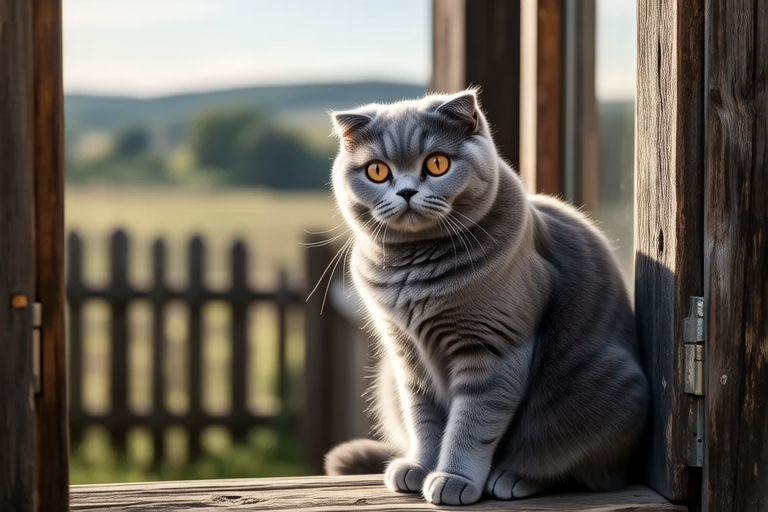
From Farm to Feline Favorite: How the Scottish Fold Conquered Hearts Worldwide
The story of the Scottish Fold is one of serendipity, charm, and global appeal. Originating from humble beginnings on farms in Scotland, this breed has captured hearts worldwide with its distinctive folded ears and gentle demeanor. This article delves into the origins, evolution, and enduring popularity of the Scottish Fold, offering a comprehensive look at a breed that has become a beloved pet for many.
The Birth of a Breed
The Scottish Fold’s journey began in 1961 when a barn cat named Susie, found near Coupar Angus in Perthshire, Scotland, gave birth to a litter of kittens, one of which had unusually folded ears. This kitten, named Snooks, was the progenitor of the breed we know today. The fold in their ears is caused by a genetic mutation that affects the cartilage in the ear, causing it to bend forward and down. This mutation, however, is not without its challenges.
The gene responsible for the folded ears is dominant, meaning only one copy of the gene is needed for the trait to appear. However, breeding two carriers together can lead to serious health issues, particularly in the joints. This condition, known as osteochondrodysplasia, can cause painful arthritis and mobility problems. Consequently, responsible breeding practices are crucial to maintaining the health and well-being of Scottish Folds.
From Rural Origins to International Recognition
Despite initial skepticism from breeders about the health implications, the unique appearance of the Scottish Fold quickly gained attention. A local farmer named William Ross, who owned Snooks, recognized the potential of the breed and began selectively breeding the cats. He registered the breed with the Governing Council of the Cat Fancy (GCCF) in 1963, marking the official beginning of the Scottish Fold’s journey towards recognition.
However, the GCCF eventually banned the breed due to concerns over health issues. This setback did not deter dedicated breeders. By exporting some of the cats to North America, they ensured the survival and growth of the breed. In 1974, the breed was recognized by the American Cat Fanciers Association (ACFA), and in 1978, it achieved championship status with the Cat Fanciers’ Association (CFA). These milestones were pivotal in establishing the Scottish Fold as a respected breed.
Key figures in this process include Pat Turner, an American breeder who played a significant role in promoting the breed in the United States. Her dedication to selective breeding helped address health concerns and contributed to the Scottish Fold’s growing popularity. Another influential figure was Brian Sterling-Webb, who worked closely with William Ross to establish the breed in the UK.
A Popular Pet Today
Today, Scottish Folds are cherished for their affectionate and adaptable nature. Their large round eyes, expressive faces, and compact bodies make them visually striking. But it is their personalities that truly endear them to families. Scottish Folds are known for their calm and gentle demeanor, making them excellent companions for children and other pets. They are often described as having dog-like qualities, following their owners around the house and seeking out attention and affection.
These cats are intelligent and playful, often engaging in interactive games with their human companions. They enjoy perching on high surfaces to survey their surroundings, a behavior that harks back to their farm origins. Despite their independent streak, they are social creatures that thrive on interaction and companionship. Their adaptability to different environments and their ability to form strong bonds with their owners have made them a favorite among cat lovers.
Cultural Impact and Future Prospects
The Scottish Fold’s unique appearance and charming personality have made them a fixture in popular culture. They have been featured in various media, from books and television shows to advertisements and social media campaigns. This exposure has further increased their appeal and solidified their place in the hearts of cat enthusiasts around the world.
Globally, the Scottish Fold enjoys widespread recognition and appreciation. In countries like Japan, where they are known as ‘Rumple Cats,’ they are especially popular. The breed’s cultural impact extends beyond mere popularity; they have become symbols of companionship and comfort. As more people discover the joys of owning a Scottish Fold, the breed’s future looks bright.
Looking ahead, continued advancements in veterinary science and breeding practices will be essential to ensuring the health and longevity of the Scottish Fold. Responsible breeding, health screening, and public education about the breed’s needs will help maintain the balance between preserving their unique traits and promoting their overall well-being.
In conclusion, the Scottish Fold’s journey from a farm cat in Scotland to a beloved pet worldwide is a testament to the power of unique characteristics and dedicated breeders. Their charm, intelligence, and adaptability have earned them a special place in the hearts of cat lovers everywhere. As they continue to captivate and inspire, the Scottish Fold remains a true feline favorite, ready to bring joy and companionship to homes across the globe.
