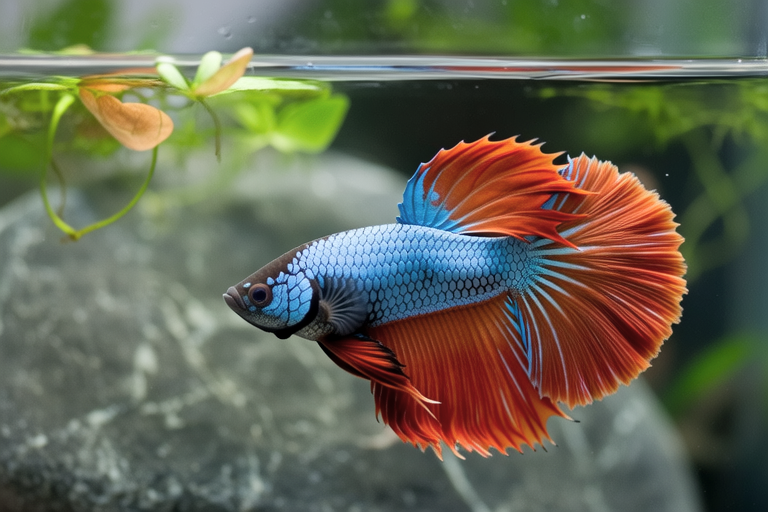
Top 10 Secrets Every Betta Owner Should Know
Betta fish, also known as Siamese fighting fish, are popular choices for aquarium enthusiasts due to their vibrant colors and flowing fins. However, owning a betta requires more than just placing it in a bowl. Here are ten secrets every betta owner should know to ensure the well-being of their pet.
1. Optimal Water Conditions
Water quality is paramount for the health of your betta. While bettas can tolerate a range of water conditions, maintaining stable parameters is crucial. Aim for a pH between 6.5 and 7.5, and keep ammonia and nitrite levels at zero. Regular water changes (about 25% weekly) and proper filtration are essential. Bettas are sensitive to temperature fluctuations; maintain a steady temperature between 76 and 82 degrees Fahrenheit. Use a heater if necessary, but avoid sudden temperature changes that could shock your fish.
2. A Balanced Diet
Bettas are carnivorous by nature, requiring protein-rich foods. High-quality betta pellets, frozen or freeze-dried bloodworms, and brine shrimp should form the core of their diet. Avoid overfeeding, as this can lead to obesity and poor water quality. Feed your betta twice daily, offering only what they can consume within two minutes. Supplementing their diet with occasional treats like mosquito larvae can add variety and nutrition.
3. Proper Tank Setup
While bettas can survive in smaller containers, providing them with a spacious tank enhances their quality of life. A minimum tank size of 5 gallons is recommended for bettas, allowing ample space for swimming and reducing stress. Decorate the tank with plants, caves, and driftwood to create hiding spots and stimulate natural behaviors. Ensure the tank has a lid to prevent escapes and evaporation. Live plants like Java moss and Anubias are excellent additions, as they help maintain water quality and provide enrichment.
4. Understanding Betta Behavior
Bettas are known for their territorial nature, particularly towards other males. However, they can exhibit various behaviors that indicate their mood or needs. A healthy betta will swim actively throughout the tank, flaring its gills when curious or threatened. Bettas often display bubbling behavior, creating bubble nests at the water’s surface, especially during mating. Observing these behaviors can help you understand your betta’s health and emotional state.
5. Common Health Issues and Solutions
Like any pet, bettas are susceptible to health problems. One common issue is fin rot, characterized by frayed or discolored fins. Maintaining good water quality and a balanced diet can prevent this. Ich, a parasitic infection, appears as white spots on the fish. Treating with aquarium salt or specific medications can resolve this. Always quarantine new fish before introducing them to your main tank to prevent disease transmission.
6. Breeding Habits
Bettas have fascinating breeding behaviors. During courtship, males build elaborate bubble nests at the water’s surface to attract females. Once a female is chosen, the male may wrap around her to fertilize eggs externally. Afterward, the male cares for the eggs and fry, ensuring they stay in the nest until they hatch. If you’re interested in breeding bettas, provide a separate breeding tank with optimal water conditions and plenty of floating plants for the male to build his nest.
7. Interactive Toys for Your Betta
Bettas enjoy stimulation, and providing them with interactive toys can enhance their mental and physical health. Floating decorations like ping pong balls or small mirrors can entertain them. Some bettas enjoy chasing moving objects, such as magnetic wands or plastic insects. Ensure any toy is safe and easily removable to avoid potential hazards.
8. Compatibility with Other Fish
Despite their reputation for aggression, bettas can coexist peacefully with certain tank mates. Choose slow-moving, non-aggressive fish like snails, cherry shrimps, and bottom-dwelling species. Avoid keeping bettas with long-finned or brightly colored fish, as they might trigger territorial behavior. Additionally, never house two male bettas together, as this can lead to severe fighting.
9. Stress Reduction Techniques
Reducing stress is vital for bettas’ overall health. Provide hiding spots, maintain consistent water conditions, and limit handling. Avoid sudden loud noises or movements near the tank. Incorporating live plants and a gentle filtration system can further promote a calm environment. Regular observation allows you to address any signs of stress early, preventing potential health issues.
10. Debunking Betta Myths
Several misconceptions surround bettas. One common myth is that bettas thrive in small bowls without filtration. In reality, bettas require adequate space and filtration for optimal health. Another myth is that bettas prefer solitude. While they are territorial, bettas can coexist with compatible tank mates, adding social enrichment to their lives. Lastly, the belief that bettas don’t need a heater is false; maintaining a consistent temperature is crucial for their well-being.
By understanding and implementing these secrets, you’ll be better equipped to provide your betta with a happy and healthy environment. Remember, each betta is unique, so take time to observe and adapt to their individual needs. With proper care and attention, your betta will reward you with years of vibrant companionship.
