The Ultimate Guide to Koi Care for Beginners and Enthusiasts Alike
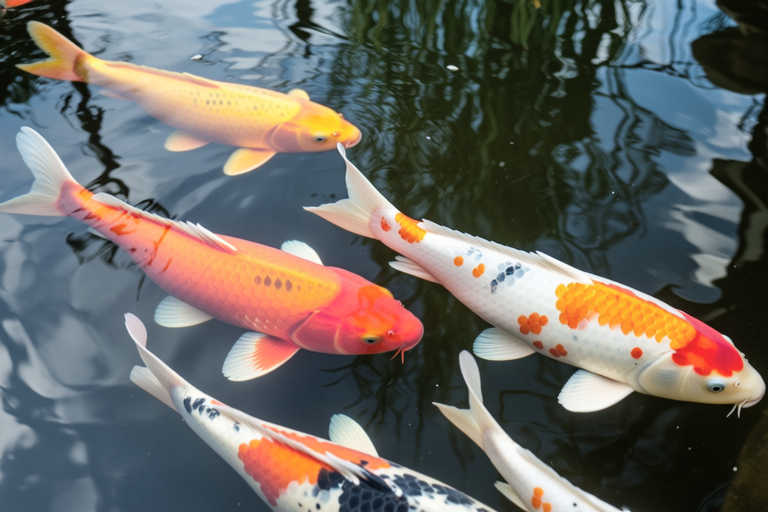
Koi fish are a popular choice for both hobbyists and enthusiasts due to their vibrant colors and graceful movements. Proper care is essential to ensure that your koi thrive in their aquatic environment. This comprehensive guide covers essential aspects of koi care, from selecting healthy koi to setting up an appropriate pond environment, and beyond.
Selecting Healthy Koi
When purchasing koi, it’s crucial to select healthy fish to ensure they adapt well to their new home. Begin by choosing reputable breeders or dealers who can provide detailed information about the fish’s lineage and care. Healthy koi should have smooth, even scales, bright eyes, and no signs of disease or injury.
Actionable Steps:
- Inspect the koi’s body for any abnormalities or injuries.
- Ensure the fish has clear, bright eyes without cloudiness.
- Ask about the koi’s diet and feeding schedule.
Setting Up an Appropriate Pond Environment
A properly designed pond is vital for koi health. It should be large enough to accommodate the number of fish you plan to keep, with a minimum depth of 3 feet to prevent freezing during winter months. Incorporate filtration systems, biological filters, and UV sterilizers to maintain water quality. Additionally, include plants for natural filtration and oxygenation.
Actionable Steps:
- Choose a suitable location for your pond, away from direct sunlight and wind.
- Install a high-quality filtration system.
- Incorporate aquatic plants for added filtration and aesthetic appeal.
Maintaining Water Quality
Water quality is paramount for koi health. Regular testing for pH levels, ammonia, nitrite, and nitrate is necessary. Aim for a pH level between 7.2 and 8.5, and maintain low levels of ammonia and nitrite. Perform weekly partial water changes (10-20%) to remove waste and replenish nutrients. Additionally, ensure adequate aeration through waterfalls, fountains, or air pumps.
Actionable Steps:
- Invest in a reliable water testing kit.
- Perform regular water changes and monitor parameters.
- Use aeration devices to maintain oxygen levels.
Feeding Guidelines
Proper nutrition is key to koi health. Feed them high-quality pellets or flakes twice daily, adjusting portions based on temperature and activity levels. Avoid overfeeding, as excess food can degrade water quality. In colder weather, reduce feeding frequency and switch to wheat germ-based foods, which are easier to digest at lower temperatures.
Actionable Steps:
- Feed koi twice daily with high-quality pellets.
- Adjust portion sizes according to temperature and activity.
- Switch to wheat germ-based foods during colder months.
Common Health Issues and Prevention
Regular monitoring helps identify potential health issues early. Common problems include fin rot, ich, and parasites. Maintain excellent water quality, provide a balanced diet, and quarantine new fish to prevent the spread of diseases. Treatments may include medicated food, baths, or environmental adjustments, depending on the issue.
Actionable Steps:
- Quarantine new fish for two weeks before introducing them to the main pond.
- Keep the pond clean and well-maintained.
- Consult a veterinarian for diagnosis and treatment if needed.
Seasonal Care Tips
Koi require special care during different seasons. In spring, check the pond for debris and algae growth. Summer brings higher temperatures, so ensure proper aeration and shade. Fall involves preparing the pond for winter by cleaning filters and reducing feeding. Winter demands careful attention to ice formation and oxygen levels.
Actionable Steps:
- Spring: Inspect the pond for debris and algae.
- Summer: Provide ample shade and aeration.
- Fall: Clean filters and reduce feeding.
- Winter: Monitor ice formation and oxygen levels.
Advice on Breeding
Breeding koi requires specific conditions, including a separate breeding pond, proper water parameters, and a suitable diet. Ensure the pond has ample space for fry to grow without overcrowding. Introduce spawning mops for egg attachment, and provide a varied diet rich in protein to support reproduction. Separate fry from adults to prevent predation.
Actionable Steps:
- Set up a dedicated breeding pond.
- Provide spawning mops for egg attachment.
- Separate fry from adults for protection.
Conclusion
Proper koi care ensures these beautiful creatures thrive in your pond. By following the advice provided in this guide, you can create an optimal environment for your koi, promoting their health and longevity. Remember to stay vigilant, proactive, and informed about koi care best practices. With dedication and effort, your koi will reward you with years of enjoyment and beauty.
