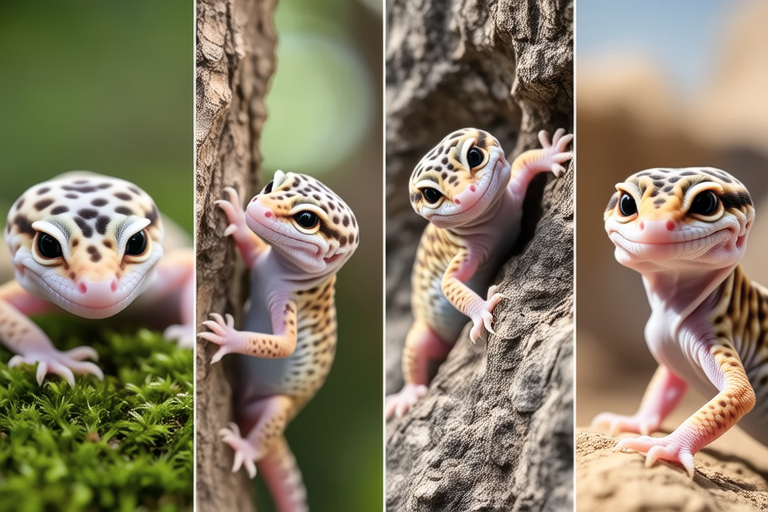
From Tiny Egg to Full-Grown Beauty: The Journey of a Leopard Gecko
The journey of a leopard gecko from a tiny egg to a full-grown beauty is nothing short of fascinating. This popular pet has captured the hearts of reptile enthusiasts worldwide with its unique appearance and gentle demeanor. Let’s delve into the intricate details of this remarkable life cycle, from breeding and hatching to adulthood.
The Breeding Process
Breeding leopard geckos begins with selecting a healthy pair of adults. Males and females can be distinguished by their vent area; males have a more pronounced hemipenal bulge, while females have two small slits. Successful mating requires providing a suitable environment with appropriate temperature and humidity levels.
During courtship, males display territorial behavior, which may include head bobbing and tail wagging. After successful mating, females lay eggs approximately 3-4 weeks later. Typically, females produce around 2-3 clutches per year, each containing 1-3 eggs. The eggs are soft-shelled, leathery, and about the size of a large grape.
Incubation Period and Factors Affecting Sex Determination
The incubation period for leopard gecko eggs ranges between 6-8 weeks at optimal conditions. Temperature plays a crucial role in determining the sex of the hatchlings. Incubating eggs at temperatures between 85-88°F typically results in females, whereas temperatures between 90-92°F tend to produce males. However, slight variations in these temperatures can lead to mixed-sex clutches.
Humidity also affects the incubation process. Maintaining humidity levels between 70-90% ensures proper shell development and prevents dehydration. Too low humidity can cause the eggs to dry out, leading to embryo death, while overly high humidity can result in mold growth.
The Hatching Process
Hatchling emergence usually occurs overnight. As the hatchlings break free from their eggs, they absorb the remaining yolk sac through their cloaca, providing essential nutrients for their first few days. This process can take several hours, during which the hatchlings may appear weak or lethargic.
Newly hatched leopard geckos face numerous challenges. Their small size makes them vulnerable to predators, and they must quickly learn to find food and water. It’s essential to provide a safe environment with hiding spots and a shallow water dish. Many novice owners underestimate the importance of a proper setup, leading to stress and health issues.
Growth Stages
Leopard geckos grow rapidly during their first year of life. They shed their skin every 2-4 weeks, a process known as ecdysis. Proper hydration and nutrition are vital during this stage to ensure healthy shedding. Owners should provide a humid hide box filled with moist substrate to aid in the shedding process.
Dietary needs vary depending on the gecko’s age and size. Juvenile leopard geckos require frequent feedings of appropriately sized insects, such as crickets, dubia roaches, and mealworms. Calcium and vitamin D3 supplements are necessary to prevent metabolic bone disease. As they grow, their diet can be supplemented with leafy greens and vegetables.
Leopard geckos are nocturnal creatures, spending most of their day resting in their burrows. They become more active at night when they hunt for food. Their environment should mimic their natural habitat, with a warm basking spot and cooler areas for thermoregulation.
Adulthood
Once fully grown, leopard geckos reach lengths of 8-10 inches and weigh between 50-80 grams. Adult leopard geckos are known for their docile nature, making them ideal pets for both beginners and experienced reptile keepers. Their calm demeanor allows for regular handling without causing undue stress.
Caring for adult leopard geckos involves maintaining a clean and spacious enclosure with proper lighting, temperature, and humidity. Regular cleaning helps prevent bacterial and fungal infections. Owners should also monitor their gecko’s weight and overall health, providing medical attention if needed.
Leopard geckos can live up to 20 years with proper care. Their long lifespan makes them a commitment for potential owners. Personal anecdotes reveal that many owners develop strong bonds with their geckos, enjoying their company and watching them grow over time.
Tips for Potential Owners
When considering a leopard gecko as a pet, it’s important to research and prepare adequately. Choose a reputable breeder to ensure a healthy start. Provide a spacious and well-equipped enclosure, including hiding spots, climbing structures, and a shallow water dish. Offer a varied diet rich in calcium and vitamins to support their nutritional needs.
Regular veterinary check-ups are recommended to maintain your gecko’s health. Familiarize yourself with common health issues, such as impaction and metabolic bone disease, and know how to prevent them. Handling your gecko gently and frequently will help build trust and reduce stress.
Conclusion
The journey of a leopard gecko from a tiny egg to a full-grown beauty is a testament to the wonders of nature. From the delicate incubation process to the challenges faced by newborns and the joys of adulthood, each stage offers insight into the resilience and adaptability of these remarkable creatures. With proper care and attention, leopard geckos can thrive in captivity, bringing joy and companionship to their human caretakers.
