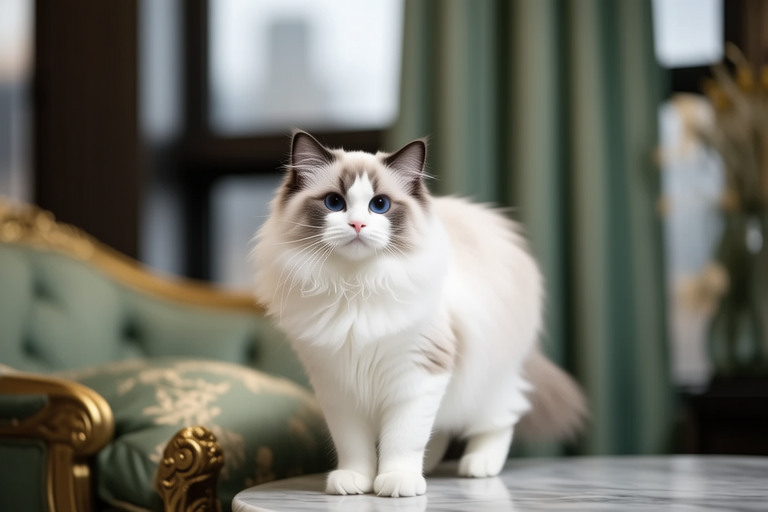
Unveiling the Grace: Everything You Need to Know About Turkish Angoras
Turkish Angoras are among the most elegant and graceful cat breeds, with a history that dates back centuries. Their origins are deeply rooted in the rich tapestry of Turkish culture and history, making them a fascinating subject for cat enthusiasts. This article will explore the various aspects of owning a Turkish Angora, from their physical characteristics and temperament to grooming needs and health considerations.
The Origins and History of Turkish Angoras
The Turkish Angora, a symbol of elegance and grace, hails from the Ankara region in central Turkey. Historically, these cats were revered for their beauty and kept as royal pets by Ottoman sultans. They are believed to be descendants of the ancient angora goat, which also gave its name to the luxurious angora wool. Over time, Turkish Angoras have spread across the globe, captivating hearts with their charm and grace.
These cats are known for their striking appearance, particularly their long, silky coats and piercing blue eyes. However, they come in a variety of colors and eye shades, showcasing the breed’s diversity. Their history is intertwined with the cultural heritage of Turkey, making them a symbol of pride and admiration.
Physical Characteristics
One of the first things you’ll notice about a Turkish Angora is its sleek, slender body and long, graceful legs. They have a semi-longhaired coat that is silky and fine, often requiring minimal grooming. Their large, tufted ears give them an alert and intelligent look, while their piercing, almond-shaped eyes add to their overall allure. The breed comes in a wide range of colors and patterns, including white, black, red, cream, and tabby, among others.
Despite their delicate appearance, Turkish Angoras are quite muscular and agile. They are known for their high energy levels and love of play, making them ideal companions for active households. Their elegant gait and playful nature make them a joy to watch and interact with.
Temperament
Turkish Angoras are known for their friendly and affectionate nature. They are highly social animals that thrive on human interaction and attention. These cats are often described as being very vocal, with a wide range of meows and purrs that can vary in pitch and tone. They enjoy being involved in family activities and are known to follow their owners around the house, seeking out companionship.
Due to their intelligence and curiosity, Turkish Angoras are also very playful. They love to engage in interactive games and enjoy climbing and exploring their environment. They are known to be excellent climbers and jumpers, often finding their way to high places in the home. Their playful nature makes them a great choice for families with children or other pets.
Grooming Needs
While Turkish Angoras have long, silky coats, they require minimal grooming compared to other long-haired breeds. Their coat is naturally shiny and smooth, and regular brushing with a soft-bristled brush once or twice a week is usually sufficient to keep it in top condition. During shedding seasons, more frequent brushing may be necessary to prevent hairballs and tangles.
In addition to coat care, it’s important to maintain your Turkish Angora’s dental hygiene. Regular tooth brushing and providing dental treats can help prevent periodontal disease. Additionally, regular nail trimming and ear cleaning are essential to ensure your cat remains healthy and comfortable.
Health Considerations
Turkish Angoras are generally healthy cats, but like all breeds, they are prone to certain genetic conditions. One of the most common issues is hypertrophic cardiomyopathy (HCM), a heart condition that can lead to sudden death if left untreated. It’s important to have your cat regularly checked by a veterinarian to monitor their heart health.
Another condition to be aware of is progressive retinal atrophy (PRA), a degenerative eye disorder that can eventually lead to blindness. While there is no cure for PRA, early detection and management can help slow its progression and improve your cat’s quality of life. Regular eye exams are recommended for all Turkish Angoras, especially those with a family history of the condition.
Dietary Requirements
Like all cats, Turkish Angoras require a balanced diet that provides adequate nutrition for their overall health and well-being. A high-quality commercial cat food that meets the nutritional requirements of your cat’s age, weight, and activity level is usually sufficient. Wet food is recommended for its higher water content, which helps keep your cat hydrated and supports urinary tract health.
It’s important to avoid overfeeding, as obesity can lead to a range of health problems, including diabetes, arthritis, and heart disease. Regular weigh-ins and adjustments to portion sizes can help prevent weight gain. Additionally, providing fresh water at all times is crucial for maintaining your cat’s hydration.
Tips for Potential Owners
Owning a Turkish Angora can be a rewarding experience, but it also requires commitment and responsibility. Here are some tips for prospective owners:
- Provide Plenty of Playtime: Turkish Angoras are highly energetic and need plenty of opportunities to exercise and play. Interactive toys, climbing structures, and scratching posts can help keep them entertained and engaged.
- Create a Safe Environment: With their agility and curiosity, Turkish Angoras are prone to getting into trouble. Make sure your home is cat-proofed, with secure windows and doors, and remove any toxic plants or chemicals.
- Establish a Routine: Cats thrive on routine, so try to establish a consistent schedule for feeding, playtime, and grooming. This can help reduce stress and promote a sense of security for your cat.
- Be Prepared for Grooming: While Turkish Angoras don’t require extensive grooming, regular brushing is still important. Be prepared to spend some time each week caring for your cat’s coat and nails.
- Consider Health Insurance: Given the potential for genetic health issues, it may be wise to consider pet health insurance to help cover the cost of veterinary care.
Conclusion
Turkish Angoras are truly remarkable cats, with a rich history and a reputation for elegance and grace. Their striking appearance, friendly temperament, and playful nature make them a wonderful addition to any household. By understanding their unique needs and providing proper care, you can ensure that your Turkish Angora lives a long, healthy, and happy life. Whether you’re a seasoned cat owner or considering adding a Turkish Angora to your family for the first time, these tips and insights will help you provide the best possible care for your feline friend.
