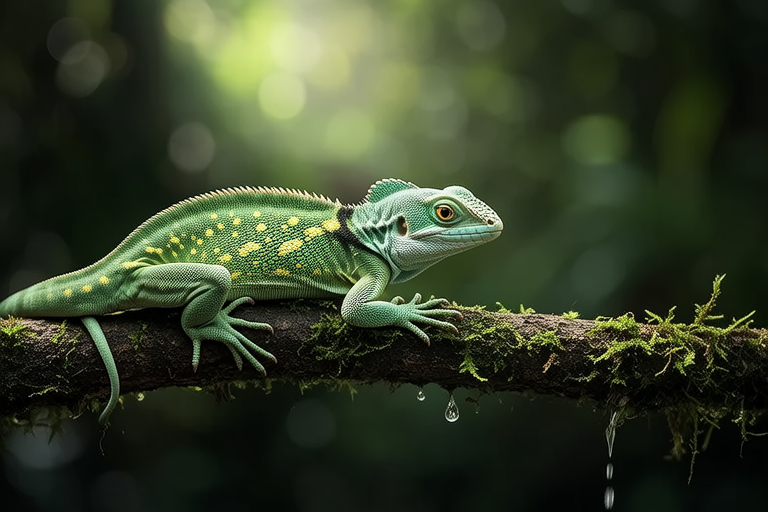
The Ultimate Guide to Chameleon Care: Tips from Experts
Chameleons are fascinating creatures that have captured the hearts of many pet enthusiasts. However, they come with unique care requirements that can be challenging for new owners. This comprehensive guide provides essential information on setting up their habitat, dietary needs, healthcare, handling techniques, and common pitfalls to avoid. By following these expert tips, you can ensure your chameleon lives a healthy and happy life.
Habitat Setup
Creating the right environment is crucial for your chameleon’s well-being. Chameleons are arboreal reptiles, meaning they spend most of their time in trees. Therefore, their enclosure should mimic this natural habitat as closely as possible.
- Enclosure Size: A minimum of 24 inches wide by 36 inches deep by 48 inches high is recommended for adult chameleons. Larger enclosures are always better.
- Branches and Plants: Provide plenty of sturdy branches for climbing and real or artificial plants for hiding and resting. Live plants not only add aesthetic value but also improve air quality.
- Lighting: Proper lighting is vital for chameleons. UVB light is necessary for vitamin D synthesis and calcium metabolism. Full-spectrum bulbs should be placed above the enclosure at a distance of 12-18 inches. Replace them every six months to ensure effectiveness.
- Temperature and Humidity: Maintain daytime temperatures between 75°F and 90°F (24°C-32°C) with a basking spot of around 95°F (35°C). Nighttime temperatures can drop to 65°F-75°F (18°C-24°C). Use a hygrometer to monitor humidity levels, aiming for 50%-70% during the day and increasing slightly at night.
Diet Requirements
Chameleons are insectivores and require a varied diet to meet their nutritional needs.
- Insects: Feed your chameleon a mix of crickets, dubia roaches, waxworms, and silkworms. Dust insects with a calcium supplement twice weekly and a multivitamin once weekly. Gut-load insects by feeding them nutritious foods like fruits, vegetables, and commercial gut-loading diets before offering them to your chameleon.
- Feeding Frequency: Young chameleons should be fed daily, while adults can be fed every other day. Offer as many insects as your chameleon will consume in 10-15 minutes.
- Water: Chameleons do not drink from water bowls; instead, they lap up droplets of water from leaves. Use a misting system to provide water several times a day, ensuring leaves are thoroughly moistened.
Healthcare Basics
Regular health checks and proper hygiene are essential for preventing diseases and catching any issues early.
- Veterinary Care: Choose a veterinarian experienced with reptiles. Annual check-ups can help catch potential problems early. Vaccinations are not required for chameleons, but regular fecal exams can prevent parasitic infections.
-
- Signs of Illness: Monitor your chameleon for changes in behavior, appetite, or physical appearance. Common signs of illness include lethargy, weight loss, runny stools, and swollen eyes. Seek veterinary assistance if you notice any of these symptoms.
- Parasite Prevention: Parasites are common in captive reptiles. Regular fecal exams and proper hygiene practices can reduce the risk of infection.
Handling Techniques
Chameleons are not social animals and do not enjoy being handled. They are easily stressed, which can lead to health issues. Handle your chameleon only when necessary and always with care.
- Gentle Handling: Support your chameleon’s body fully, avoiding sudden movements. Place your hand under its belly and gently lift it. Never restrain or force your chameleon to stay in one place.
- Frequency: Limit handling to no more than a few minutes per week. Allow your chameleon to acclimate to its environment without constant disturbance.
Common Mistakes to Avoid
There are several common mistakes made by chameleon owners that can negatively impact their pets’ health.
- Overhandling: Chameleons are solitary creatures that prefer to be left alone. Overhandling can cause stress, leading to health problems.
- Improper Lighting: Insufficient UVB lighting can lead to metabolic bone disease, a condition where bones become weak and deformed due to calcium deficiency.
- Incorrect Temperature and Humidity: Extreme temperatures and humidity levels can cause dehydration, respiratory infections, and other health issues.
- Poor Diet: Feeding an unvaried diet lacking essential nutrients can lead to malnutrition and related health problems.
- Lack of Hygiene: Dirty enclosures can harbor bacteria and parasites, leading to infections and disease.
Summary
Caring for a chameleon requires dedication and attention to detail. By understanding their specific needs and providing appropriate care, you can ensure your chameleon thrives in captivity. Remember, continuous learning and adaptation are key to successful chameleon ownership. Stay informed about the latest research and advancements in reptile care, and always consult with experts when needed. With patience and proper care, you can enjoy a rewarding relationship with your chameleon.
