Tarantula Tidbits: Why Your Next Pet Could Be a Chilean Rose
Are you considering a pet that’s unique, low-maintenance, and fascinating? Look no further than the Grammostola rosea, commonly known as the Chilean rose tarantula. This popular arachnid is a favorite among tarantula enthusiasts and first-time pet owners alike. In this article, we’ll explore why your next pet could be a Chilean rose, covering its temperament, care requirements, and what sets it apart from other tarantulas.
The Gentle Giant of the Tarantula World
One of the most appealing aspects of the Chilean rose tarantula is its gentle nature. These spiders are relatively docile and tend to avoid confrontation, making them ideal for beginners. Unlike some more aggressive tarantula species, the Chilean rose is less likely to bite or show defensive behavior when handled properly. Their calm demeanor makes them perfect for those who want to interact with their pets without fear of injury.
Chilean roses have a reputation for being tolerant of human presence, which means they can often be gently handled by their owners. However, it’s important to note that while they are generally calm, every spider has its own personality, so some may be more skittish than others. Always approach your pet with respect and caution, ensuring that both you and your spider feel comfortable during interactions.
Aesthetic Appeal
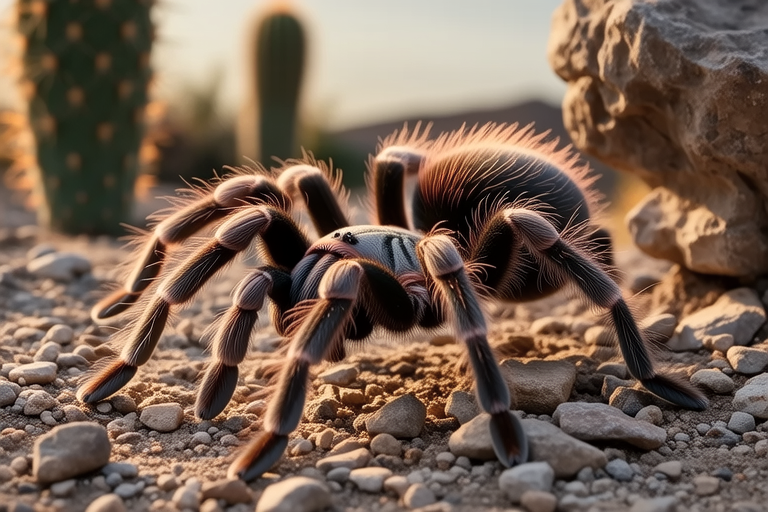
The Chilean rose tarantula boasts a striking appearance that captivates many pet owners. Typically, these spiders are a light pink or brown color, with darker markings on their legs and abdomen. As they mature, their colors can deepen into a rich burgundy or rose hue, giving rise to their common name. Their velvety fur adds to their allure, creating a soft, almost cuddly appearance that contrasts with their fearsome reputation.
Compared to other tarantula species, the Chilean rose is relatively small, reaching an average size of around 4 inches (10 cm) in length. This manageable size makes them easier to house and handle, especially for those with limited space. Their compact size also means they require less food and space, making them a cost-effective choice for new pet owners.
Habitat and Dietary Needs
Native to the deserts and scrublands of South America, particularly in Chile and Argentina, the Chilean rose tarantula thrives in dry, warm environments. To recreate this habitat at home, owners should provide a terrarium with a substrate that mimics sand or soil. The substrate should be several inches deep, allowing the spider to burrow comfortably. Adding a shallow water dish is essential for maintaining humidity levels, but be cautious not to overwater, as excess moisture can lead to health issues.
Chilean roses are primarily nocturnal, meaning they are most active during the night. They prefer a quiet environment with minimal disturbance during the day. Providing a hideout or burrow within the enclosure allows the spider to retreat when it feels threatened or simply wants some privacy. A simple cardboard tube or cork bark piece can serve as an effective hide.
Dietary needs are straightforward for the Chilean rose. In the wild, they feed on insects such as crickets, grasshoppers, and beetles. As pets, they should be fed appropriately sized insects once or twice a week. Gut loading the feeder insects with nutritious foods before offering them to your tarantula ensures that your pet receives adequate nutrients. It’s important to avoid overfeeding, as obesity can lead to health problems.
Differences from Other Tarantula Species
While all tarantulas share certain characteristics, each species has unique traits that set them apart. One of the standout features of the Chilean rose is its docility. Many tarantula species are known for their aggressive tendencies, making them less suitable for handling. In contrast, the Chilean rose’s calm demeanor makes it one of the safest tarantulas to handle.
Another difference lies in their adaptability. While some tarantulas require specific environmental conditions to thrive, the Chilean rose is relatively forgiving. They can tolerate a range of temperatures and humidity levels, making them easier to care for in various climates. This adaptability, combined with their smaller size, makes them an excellent choice for apartment dwellers or those with limited space.
Tips for Handling and Housing
Handling your Chilean rose requires patience and practice. Always wash your hands before and after handling to prevent the transfer of oils or chemicals that could harm your spider. When picking up your tarantula, gently scoop it from below, supporting its body and legs. Avoid grabbing or pinching, as this can stress the spider and increase the likelihood of defensive behaviors.
For housing, choose a terrarium that provides ample space for your spider to move and burrow. A 10-gallon tank is sufficient for a single adult Chilean rose. Ensure the enclosure has proper ventilation and a secure lid to prevent escapes. Adding a layer of substrate and a hideout will create a comfortable environment for your pet. Regular cleaning of the enclosure is necessary to maintain hygiene and prevent the buildup of waste products.
Health Care and Longevity
Maintaining the health of your Chilean rose involves regular monitoring and prompt action if any issues arise. Signs of poor health include lethargy, loss of appetite, or changes in coloration. If you notice any of these symptoms, consult a veterinarian specializing in exotic animals for advice.
With proper care, a Chilean rose can live for 8 to 15 years or more. Females typically live longer than males, with some individuals reaching ages well beyond a decade. This longevity makes them a rewarding long-term companion, providing years of fascination and companionship.
Why Consider a Chilean Rose?
If you’re looking for a pet that is easy to care for, fascinating to observe, and offers a unique connection with nature, the Chilean rose tarantula could be the perfect choice. Their gentle temperament, manageable size, and adaptability make them an excellent option for first-time pet owners or those with limited experience. Additionally, their relatively low maintenance requirements allow you to enjoy the benefits of pet ownership without the time-consuming demands of other animals.
Moreover, owning a Chilean rose provides an opportunity to learn more about these incredible creatures and their role in ecosystems. By keeping a tarantula as a pet, you can gain a deeper appreciation for the diversity of life on our planet and contribute to the conservation of these remarkable species.
In conclusion, the Chilean rose tarantula offers a unique and rewarding pet experience. With their gentle nature, striking appearance, and ease of care, they are an excellent choice for anyone looking to expand their horizons and bring a little bit of the wild into their home. Whether you’re a seasoned reptile keeper or a first-time pet owner, the Chilean rose is sure to captivate and charm you with its grace and beauty.
