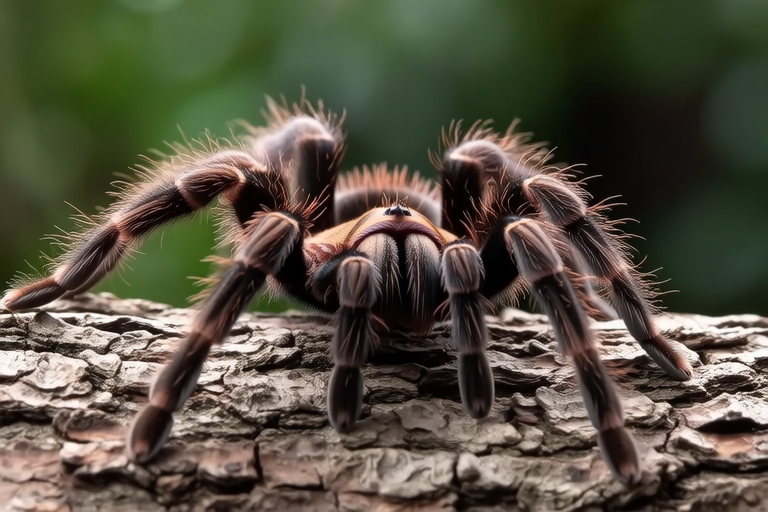
8 Surprising Facts About Tarantulas That Will Blow Your Mind
Welcome to a thrilling journey into the world of tarantulas! These arachnids, often misunderstood and feared, possess a wealth of fascinating traits that will leave you amazed. From their unique hunting strategies to their surprising abilities, tarantulas are creatures full of surprises. Let’s dive into eight surprising facts about these remarkable spiders that will undoubtedly blow your mind.
1. Tarantulas Can Survive Without Eating for Months
One of the most astounding aspects of tarantulas is their ability to endure long periods without food. Unlike many other animals, tarantulas can survive for months on end without eating. This incredible adaptation allows them to thrive in environments where prey might be scarce. Their metabolism slows down significantly during times of fasting, enabling them to conserve energy efficiently. This survival mechanism is particularly useful for tarantulas living in arid regions where food sources may be unpredictable.
2. Tarantulas Have a Complex Communication System
Tarantulas communicate through a variety of methods, including vibrations, chemical signals, and even visual cues. Male tarantulas, for instance, use their pedipalps (appendages near the mouth) to tap on the ground, creating vibrations that can signal their presence to potential mates. Females, in turn, may respond with specific movements or chemical cues. This intricate system of communication ensures successful mating and helps avoid conflicts within the species. Understanding this complex language can provide valuable insights into the social dynamics of tarantulas.
3. Tarantulas Are Not Aggressive Predators
Despite their fearsome appearance, tarantulas are generally not aggressive predators. They prefer to ambush their prey rather than actively chase it. Tarantulas typically hide in burrows or wait in strategic locations for unsuspecting insects to wander by. Once they have their target within reach, they strike swiftly, injecting venom to immobilize their prey. Their venom is potent enough to subdue small creatures but is not harmful to humans. This behavior challenges the common misconception that tarantulas are constantly on the hunt, ready to attack.
4. Tarantulas Can Regenerate Lost Limbs
One of the most astonishing biological features of tarantulas is their ability to regenerate lost limbs. If a tarantula loses a leg, it can regrow the appendage over several molts. This process, known as autotomy, allows tarantulas to escape from predators or dangerous situations by shedding a limb. The regenerated limb is usually smaller than the original but can grow back to full size over time. This remarkable ability underscores the resilience and adaptability of tarantulas in the face of adversity.
5. Tarantulas Have Hairs That Can Cause Irritation
Tarantulas are equipped with specialized hairs called urticating hairs, which play a crucial role in their defense mechanisms. These tiny, barbed hairs are located on the abdomen and can be released when the tarantula feels threatened. When released, these hairs irritate the skin and eyes of potential predators, providing the tarantula with a moment to escape. While these hairs are not venomous, they can cause discomfort and allergic reactions in some individuals. This unique defense strategy highlights the ingenuity of tarantulas in protecting themselves from danger.
6. Tarantulas Can Produce Silk Without Spinning Webs
Contrary to popular belief, not all tarantulas spin webs to catch prey. However, they do produce silk, albeit for different purposes. Tarantulas use silk to line their burrows, create egg sacs, and assist in climbing. Some species even use silk to wrap their prey after capturing it. This silk production is a testament to the versatility of tarantulas, showcasing how they can adapt their behaviors to suit their environment and needs.
7. Tarantulas Exhibit Parental Care
Unlike many other spider species, female tarantulas display remarkable parental care. After laying eggs, a female tarantula will protect her egg sac, guarding it against predators and environmental threats. She will also carefully tend to the young tarantulas once they hatch, providing them with protection and guidance as they grow. This level of maternal investment in offspring is rare among spiders and underscores the complexity of tarantula behavior.
8. Tarantulas Have Lifespans Longer Than Most Other Spiders
Another fascinating aspect of tarantulas is their relatively long lifespan compared to other spiders. Depending on the species, tarantulas can live anywhere from 10 to 30 years. In contrast, most other spider species have much shorter lifespans, often surviving only a year or two. This extended lifespan allows tarantulas to reach maturity, reproduce, and contribute to their ecosystems for an extended period. It also provides ample opportunities for scientists to study their behaviors and adaptations.
Why Tarantulas Are Worth Learning More About
Tarantulas are truly captivating creatures, offering a window into the wonders of nature. From their ability to regenerate limbs to their complex communication systems, these spiders are full of surprises. Their resilience, adaptability, and unique characteristics make them fascinating subjects of study and admiration. By understanding more about tarantulas, we gain valuable insights into the diversity of life on our planet and the intricate relationships between species. Whether you’re a seasoned biologist or simply curious about the natural world, tarantulas offer endless fascination and discovery.
