Goldfish: Often Overlooked Pets in the Aquarium World
Introduction
Goldfish are frequently disregarded in the aquarium hobby despite their long history, diverse breeds, and unique care requirements. These fish come in various shapes, sizes, and colors, making them a popular choice for many aquarists. Their vibrant hues and lively personalities make them an attractive addition to any home. However, goldfish require specific care and attention to thrive. This article will explore the history, breeds, and care requirements of goldfish, dispel common myths, and provide valuable advice for setting up an optimal tank environment.
The History of Goldfish
Goldfish have been domesticated for centuries, originating from China during the Tang Dynasty (618–907 AD). They were initially bred for their ornamental value and later introduced to Europe in the late 17th century. Since then, goldfish have become one of the most popular aquarium fish worldwide. Their popularity stems from their ease of care, affordability, and ability to adapt to different environments.
Diverse Breeds
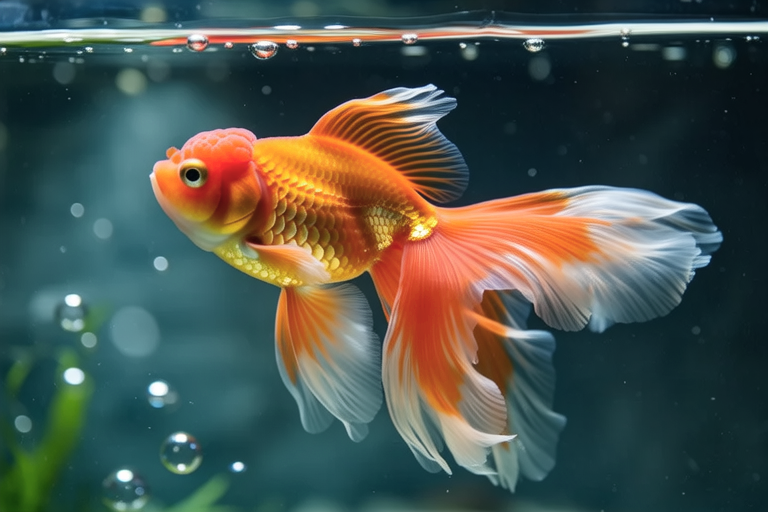
Goldfish come in numerous varieties, each with distinct characteristics. Some common breeds include the comet, shubunkin, oranda, ryukin, and fantail. Each breed has unique physical traits, such as fin shape, body size, and coloration. For example, the oranda is known for its distinctive “hood” or “wen,” while the shubunkin boasts intricate patterns and vibrant colors. The diversity of goldfish breeds makes them an excellent choice for aquarists seeking visually appealing fish.
Unique Care Requirements
Goldfish require specific care to maintain their health and well-being. Proper tank setup, water quality, and feeding habits are crucial for ensuring a long and happy life for these fish. Goldfish are coldwater fish, meaning they thrive in temperatures between 65°F and 75°F (18°C and 24°C). They also produce more waste than other fish, necessitating regular water changes and filtration. Additionally, goldfish need ample space to swim and explore, with a general rule of thumb being at least 20 gallons per fish.
Benefits of Goldfish as Pets
One of the primary advantages of owning goldfish is their low maintenance. Unlike some other aquatic pets, goldfish do not require extensive daily care or specialized equipment. Their vibrant colors and playful behavior make them enjoyable companions, providing hours of entertainment for their owners. Furthermore, goldfish are relatively inexpensive, making them an accessible option for both beginners and experienced aquarists.
Misconceptions About Goldfish
Despite their popularity, several misconceptions surround goldfish. One common myth is that goldfish have a short lifespan, typically lasting only a few years. In reality, goldfish can live up to 20 years or more with proper care. Another misconception is that goldfish have poor memory and intelligence. Studies have shown that goldfish possess impressive cognitive abilities, capable of recognizing their owners, solving puzzles, and even learning tricks.
Tips for Setting Up an Optimal Tank Environment
To ensure a healthy and thriving environment for your goldfish, it’s essential to set up their tank correctly. Begin by selecting an appropriate tank size based on the number of fish you plan to keep. A minimum of 20 gallons per fish is recommended. Next, choose a high-quality filter that can handle the tank’s capacity and provides mechanical, biological, and chemical filtration. Regular water changes are crucial for maintaining water quality, with a general guideline of 20-30% every week.
Maintaining Water Quality
Water quality is critical for goldfish health. Regular testing of pH, ammonia, nitrite, and nitrate levels ensures a safe and stable environment. Goldfish prefer slightly alkaline water with a pH range of 7.0 to 8.0. Ammonia and nitrite levels should be kept at zero, while nitrate levels should remain below 20 ppm. To achieve optimal water conditions, incorporate live plants, which help oxygenate the water and absorb harmful chemicals.
Feeding Your Goldfish
A balanced diet is essential for goldfish health. Feed them high-quality flakes, pellets, and frozen or live foods to provide necessary nutrients. Avoid overfeeding, as excess food can lead to water pollution and health issues. Feed your goldfish twice daily, offering only what they can consume within two minutes. Variety is key, so rotate their diet to ensure a well-rounded nutritional intake.
Proper Tank Mates
Choosing compatible tank mates is vital for maintaining a peaceful and harmonious environment. Goldfish generally get along well with other coldwater species, such as koi, shubunkin, and certain types of minnows. However, avoid keeping goldfish with tropical fish, as temperature differences can stress both parties. Additionally, refrain from housing goldfish with aggressive or fin-nipping species, as this can lead to injury or death.
Signs of a Healthy Goldfish
Observing your goldfish regularly helps identify potential health issues early. Healthy goldfish display vibrant colors, active swimming patterns, and clear eyes. They should also eat eagerly and produce regular waste. Signs of illness include lethargy, loss of appetite, pale or discolored fins, and abnormal swimming behavior. If you notice any concerning symptoms, consult a veterinarian specializing in aquatic animals for diagnosis and treatment.
Conclusion
Goldfish are loving, rewarding pets suitable for both beginners and experienced aquarists. Despite being often overlooked in the aquarium world, they offer numerous benefits, including low maintenance, vibrant colors, and impressive cognitive abilities. By understanding their unique care requirements and addressing common misconceptions, you can provide your goldfish with a healthy and thriving environment. With proper attention and care, goldfish can bring joy and companionship to your home for many years to come.
