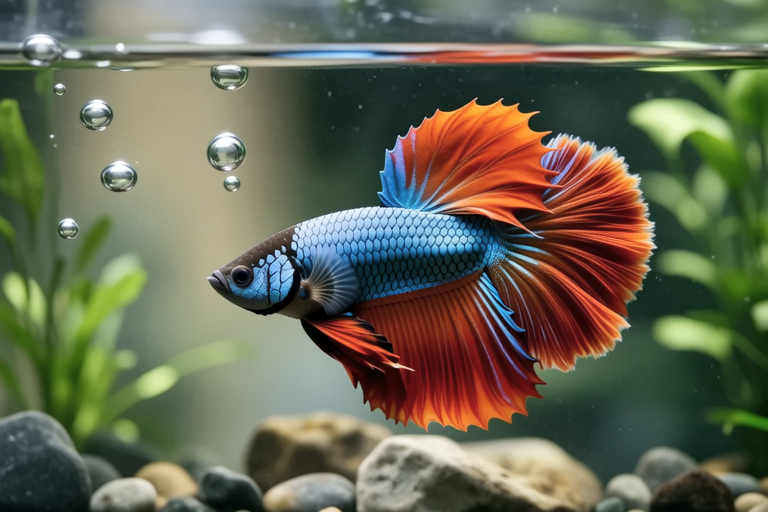
Survival Guide: Keeping Your Betta Healthy and Active
Welcome to your comprehensive guide to ensuring your Betta fish leads a healthy and active life. Whether you’re a seasoned aquarist or a first-time fish owner, this guide will provide you with the essential knowledge to keep your Betta thriving. From setting up the perfect tank to recognizing signs of a healthy fish, we’ll cover everything you need to know.
Ideal Tank Setup
The first step in providing optimal care for your Betta is creating an environment that mimics its natural habitat. Bettas originate from slow-moving streams and rice paddies in Southeast Asia, where they thrive in warm, slightly acidic water. Here’s how you can recreate this environment:
- Tank Size: A common misconception is that Bettas can live in small bowls. However, these fish require more space than many people realize. Aim for a minimum tank size of 5 gallons. This provides enough room for swimming and helps maintain better water quality.
- Filtration: While Bettas are known for their ability to breathe air from the surface, they still benefit greatly from gentle filtration. Choose a filter that doesn’t create strong currents but helps to cycle the water, removing waste and maintaining a stable pH level.
- Heating: Bettas prefer temperatures between 76-82°F (24-28°C). A heater is necessary to maintain these conditions, especially in cooler environments.
- Decorations: Providing hiding spots and plants can reduce stress and encourage natural behaviors. Live or silk plants are excellent choices as they don’t shed leaves or fibers that could harm the fish.
Water Quality Maintenance
Maintaining good water quality is crucial for your Betta’s health. Poor water conditions can lead to stress, disease, and shortened lifespan. Here’s how to keep your Betta’s water pristine:
- Water Changes: Perform weekly partial water changes, replacing about 25-30% of the water each time. This removes toxins and maintains the right balance of beneficial bacteria.
- Testing Kits: Invest in a water testing kit to monitor pH, ammonia, nitrite, and nitrate levels. These parameters should be kept within safe ranges to prevent health issues.
- Water Parameters: Ideal pH for Bettas is around 6.5-7.5. Ammonia and nitrite should always read zero, while nitrates should be kept below 20 ppm.
- Conditioners: Use a water conditioner to remove chlorine, chloramines, and heavy metals from tap water before adding it to the tank.
Appropriate Diet
Feeding your Betta correctly is key to its overall well-being. Bettas are carnivorous and require a protein-rich diet. Here’s what you should feed them:
- High-Quality Flakes or Pellets: These are the staple food for Bettas. Look for high-protein options with at least 40% protein content.
- Frozen or Live Foods: Occasionally offering frozen bloodworms, brine shrimp, or daphnia can provide variety and extra nutrients. Live foods can also be beneficial, though ensure they come from reputable sources to avoid introducing diseases.
- Frequency: Feed your Betta twice daily, offering only what it can consume in 2-3 minutes. Overfeeding can lead to bloating and poor water quality.
- Variety: Introduce different types of food to ensure a balanced diet and to stimulate natural hunting behavior.
Exercise Encouragement
Bettas are naturally active and need opportunities to swim and explore. Encouraging exercise can improve their fitness and mental health:
- Swimming Space: As mentioned earlier, a larger tank provides ample room for swimming. This is particularly important if you have multiple fish, as overcrowding can lead to stress.
- Toys and Obstacles: Introduce floating objects or toys that your Betta can interact with. This can include ping pong balls, floating plants, or even specially designed Betta toys.
- Regular Observation: Spend time watching your Betta swim. Not only is this enjoyable for you, but it also helps you spot any unusual behaviors that might indicate health problems.
Common Health Issues
Despite your best efforts, your Betta may encounter health issues. Early detection and treatment can often resolve these problems:
- Fin Rot: Characterized by frayed, ragged fins, fin rot is typically caused by poor water quality. Regular water changes and improving tank conditions usually help. In severe cases, antifungal treatments may be necessary.
- Ich: A parasitic infection causing white spots on the body. Ich can be treated with aquarium salt or specific medications available at pet stores.
- Constipation: Often seen as a bloated belly, constipation results from overfeeding. Fast your Betta for 24 hours and then introduce green peas (blended) into its diet.
- Bacterial Infections: Symptoms include lethargy, loss of appetite, and red streaks on the body. Consult a veterinarian for proper diagnosis and treatment.
Signs of a Healthy Betta
Understanding what a healthy Betta looks like can help you monitor its well-being. Here are some signs to look out for:
- Energetic Swimming: A healthy Betta is active, exploring its environment and showing interest in food.
- Clear Fins: Healthy fins are vibrant, fully extended, and free from damage.
- Good Appetite: A healthy Betta shows enthusiasm when feeding time arrives.
- Alert Eyes: Clear, bright eyes indicate good health. Cloudy or sunken eyes can signal underlying issues.
In conclusion, keeping your Betta healthy and active involves attention to detail and consistent care. By following the guidelines outlined in this guide, you’ll provide your Betta with the best possible living conditions, ensuring it lives a long and happy life. Remember, a little effort goes a long way in maintaining the health and happiness of your aquatic companion.
