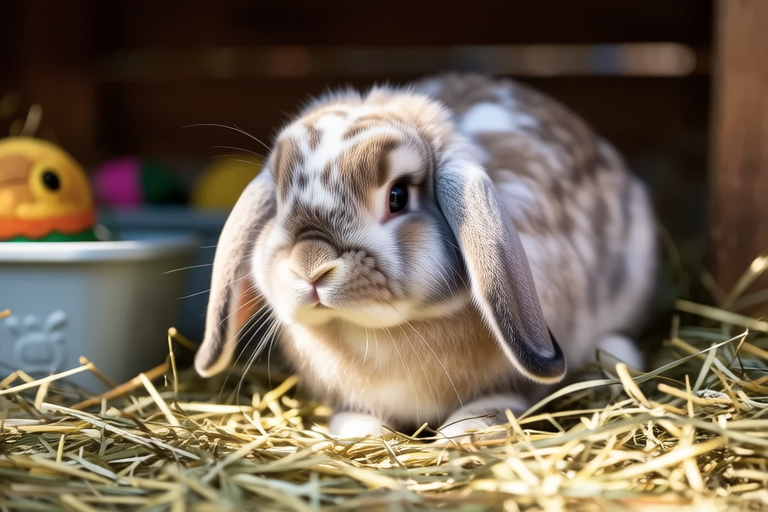
From Fluffy Ears to Playful Tails: Inside Life With a Lop Rabbit
Welcome to the delightful world of lop rabbits! These charming creatures, known for their floppy ears and playful personalities, have captured the hearts of many pet lovers. In this article, we’ll explore the unique characteristics of lop rabbits, their care requirements, common behaviors, and tips for bonding with them. We’ll also delve into the joys and challenges of owning a lop rabbit, share insights on their diet, habitat setup, and grooming needs. Through anecdotes and personal experiences, you’ll gain a deeper understanding of what it’s like to live with these adorable pets.
The Unique Characteristics of Lop Rabbits
Lop rabbits are distinguished by their long, floppy ears that can reach up to 7 inches in length. There are two main types of lop rabbits: English Lops and French Lops. English Lops are larger and have longer ears, while French Lops are stockier and have shorter, thicker ears. Both breeds come in various colors and patterns, making them visually appealing companions. Their gentle demeanor and affectionate nature make them ideal pets for families and individuals alike.
In addition to their distinctive ears, lop rabbits have soft, dense fur that requires regular grooming. Their eyes are large and expressive, often displaying curiosity and intelligence. Lop rabbits are generally calm and easygoing, but they can also be quite energetic, especially when playing or exploring their surroundings. They are social animals that thrive on interaction with their human companions and other rabbits.
Care Requirements for Lop Rabbits
Owning a lop rabbit comes with certain responsibilities, including providing proper nutrition, maintaining a clean living environment, and ensuring their overall well-being. Lop rabbits require a balanced diet consisting of hay, fresh vegetables, and a small amount of pellets. Timothy hay is recommended as the primary source of fiber, which aids in digestion and dental health. Fresh water should always be available, and a variety of leafy greens, such as romaine lettuce, parsley, and cilantro, can be offered as treats. However, avoid feeding them iceberg lettuce, as it lacks essential nutrients and can cause digestive issues.
A spacious and comfortable habitat is crucial for your lop rabbit’s happiness and health. A large cage or hutch with plenty of room to move around is ideal. The enclosure should be placed in a quiet area away from direct sunlight and drafts. Provide your rabbit with a soft bedding material, such as straw or shredded paper, and ensure that the floor is covered with a layer of absorbent material to prevent soiling. Regular cleaning of the habitat is necessary to maintain hygiene and prevent odor buildup.
Grooming your lop rabbit is another important aspect of their care routine. Their long, fluffy fur requires weekly brushing to remove loose hair and prevent matting. Use a slicker brush or comb to gently detangle any knots. During shedding season, which typically occurs twice a year, more frequent grooming may be necessary. Pay special attention to their ears, which can accumulate dirt and debris. Clean their ears with a damp cloth, being careful not to insert anything into the ear canal. Trimming their nails every few weeks will help prevent overgrowth and discomfort.
Common Behaviors of Lop Rabbits
Lop rabbits exhibit a range of endearing behaviors that make them enjoyable companions. One of the most notable traits is their tendency to flop onto their sides when relaxed, a behavior that has given them their name. This posture indicates contentment and trust in their environment. Lop rabbits are also known for their playful nature, often engaging in activities such as chasing toys, digging, and exploring new areas. Providing them with safe toys and hiding spots will stimulate their curiosity and keep them entertained.
Communication is another fascinating aspect of lop rabbit behavior. They use a variety of vocalizations, body language, and facial expressions to convey their emotions. Soft grunting sounds indicate contentment, while high-pitched squeaks may signal excitement or distress. Thumping their hind legs on the ground is a way for rabbits to express alarm or warn others of potential danger. Understanding these signals can help you better interpret your rabbit’s needs and respond accordingly.
Tips for Bonding With Your Lop Rabbit
Bonding with your lop rabbit is a rewarding experience that strengthens the bond between you and your pet. Start by spending time in close proximity to your rabbit, allowing them to become accustomed to your presence. Offer treats and gentle petting to build trust and positive associations. Once your rabbit feels comfortable around you, begin introducing interactive play sessions. Use toys that encourage exploration and problem-solving, such as tunnels, balls, and puzzle feeders. Playing together not only strengthens your bond but also provides mental stimulation for your rabbit.
Handling your lop rabbit requires patience and gentleness. Approach them slowly and speak softly to avoid startling them. Support their body with one hand under their chest and the other supporting their hindquarters. Lift them carefully, ensuring that their feet are securely supported. Never pick up your rabbit by their ears or legs, as this can cause injury. Instead, encourage them to hop onto your lap or a raised surface on their own. Handling your rabbit regularly will help them feel secure and confident in your presence.
The Joys and Challenges of Owning a Lop Rabbit
Living with a lop rabbit brings countless joys and moments of pure delight. Their playful antics, affectionate nature, and unique personalities make them cherished members of the family. Witnessing the joy on your rabbit’s face as they discover a new toy or explore a new space is truly heartwarming. The bond formed between you and your lop rabbit can be incredibly fulfilling, offering companionship and emotional support.
However, owning a lop rabbit also comes with its fair share of challenges. Rabbits can be prone to certain health issues, such as dental problems, respiratory infections, and gastrointestinal disorders. Regular veterinary check-ups and a healthy diet are essential for preventing and managing these conditions. Additionally, lop rabbits require a significant time commitment, including daily care, exercise, and social interaction. Ensuring their habitat is clean and stimulating can be time-consuming, but the rewards far outweigh the effort.
One of the most rewarding aspects of owning a lop rabbit is watching them grow and develop over time. From their first tentative hops to their confident leaps, each milestone is a testament to their resilience and adaptability. Sharing in their journey of growth and discovery is a privilege that brings immense satisfaction. Whether it’s teaching them new tricks, creating a cozy hideaway, or simply enjoying their company, the experience of owning a lop rabbit is truly enriching.
Dietary Needs of Lop Rabbits
Providing a balanced and nutritious diet is crucial for the health and well-being of your lop rabbit. As herbivores, rabbits rely on a diet rich in fiber to maintain proper digestion and dental health. The foundation of their diet should consist of unlimited access to high-quality hay, such as timothy hay. This fibrous food helps wear down their continuously growing teeth and supports healthy gut motility.
Supplement their diet with a variety of fresh vegetables and fruits. Leafy greens like romaine lettuce, spinach, and dandelion greens are excellent choices. Other vegetables, such as carrots, bell peppers, and broccoli, can be offered in moderation. Fruits, such as apples and blueberries, should be given sparingly due to their high sugar content. Avoid feeding them iceberg lettuce, as it lacks essential nutrients and can cause digestive issues. Always introduce new foods gradually to monitor for any adverse reactions.
Rabbit pellets can be provided as a supplementary food source, but they should not replace hay or fresh vegetables. Look for pellets that are high in fiber and low in added sugars and fillers. Limit the amount of pellets to a small handful per day, as overfeeding can lead to obesity and other health issues. It’s important to consult with a veterinarian to determine the appropriate quantity based on your rabbit’s age, weight, and activity level.
Habitat Setup for Lop Rabbits
Creating a suitable habitat for your lop rabbit is essential for their comfort and well-being. The size of the enclosure should be proportional to the size of your rabbit, with ample space for movement and stretching. A minimum of 4 square feet per rabbit is recommended, but larger enclosures are preferable. The enclosure should have solid flooring to prevent injuries and provide a comfortable resting area.
Provide your rabbit with a variety of toys and accessories to keep them mentally stimulated and physically active. Tunnels, chew toys, and cardboard boxes can serve as both entertainment and enrichment. Incorporate hiding spots and elevated platforms to mimic their natural environment and encourage exploration. Regularly rotate toys and rearrange the layout of the enclosure to prevent boredom and promote curiosity.
Maintaining a clean and hygienic habitat is vital for your rabbit’s health. Remove soiled bedding and waste daily, and thoroughly clean the enclosure at least once a week. Use a mild disinfectant to sanitize surfaces, ensuring that all residues are rinsed away before replacing fresh bedding. Proper ventilation is also important to prevent ammonia buildup and respiratory issues. Place the enclosure in a well-ventilated area away from direct sunlight and drafts.
Grooming Needs of Lop Rabbits
Grooming your lop rabbit is an important part of their care routine. Their long, fluffy fur requires regular brushing to prevent matting and tangles. Use a slicker brush or comb to gently detangle any knots, paying particular attention to areas where fur is prone to matting, such as behind the ears and under the chin. During shedding season, which typically occurs twice a year, more frequent grooming may be necessary.
Clean your rabbit’s ears regularly to prevent dirt and debris buildup. Use a damp cloth to gently wipe the outer ear, being careful not to insert anything into the ear canal. Trim their nails every few weeks to prevent overgrowth and discomfort. Use nail clippers designed for small animals and trim only the tip of the nail to avoid cutting the quick, which can cause bleeding and pain.
Bathing your lop rabbit is generally unnecessary unless they are particularly dirty or have a medical condition. Over-bathing can strip their skin of natural oils and lead to dryness and irritation. If bathing is necessary, use a gentle, unscented shampoo specifically formulated for rabbits. Be sure to rinse thoroughly and dry them completely to prevent chills.
Conclusion
Owning a lop rabbit is a rewarding experience that offers companionship, joy, and endless moments of wonder. Their unique characteristics, playful behaviors, and affectionate nature make them beloved pets for many. By understanding their care requirements, common behaviors, and bonding techniques, you can create a loving and supportive environment for your lop rabbit. Embrace the joys and challenges of ownership, and cherish the special bond you share with your furry friend. Whether it’s playing together, grooming sessions, or simply enjoying their company, the experience of living with a lop rabbit is truly enriching.
