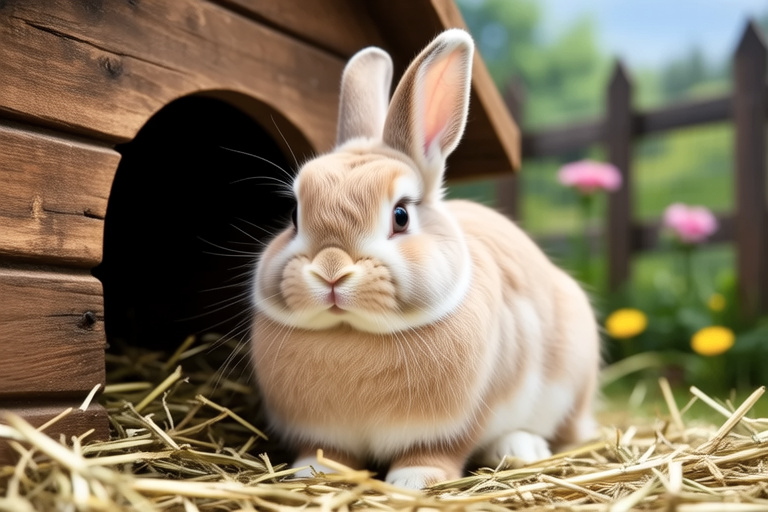
How to Care for Your Tiny but Lovable Dutch Dwarf Rabbit
Welcome to the wonderful world of Dutch Dwarf Rabbits! These charming little creatures are known for their small size, adorable appearance, and gentle nature. If you’re considering adopting one or already have one as a pet, this guide will help you understand how to care for them properly. From their unique characteristics to dietary needs and beyond, we’ll cover everything you need to know to ensure your Dutch Dwarf Rabbit lives a happy and healthy life.
Unique Characteristics of Dutch Dwarf Rabbits
Dutch Dwarf Rabbits are one of the smallest breeds of domestic rabbits, typically weighing between 1.8 and 2.3 kg (4 to 5 pounds). They are compact, sturdy, and have a distinctive white blaze running down their face. Their short, dense coat comes in various colors, including black, blue, chocolate, and lilac, making them visually appealing. Despite their small size, they are robust and can live up to 8 years if well cared for.
One of the most endearing features of Dutch Dwarfs is their docile temperament. They are generally calm and friendly, making them excellent pets for families with children. However, like all animals, they require patience and respect. It’s important to handle them gently and provide them with a safe environment to thrive.
Dietary Needs of Dutch Dwarf Rabbits
A proper diet is crucial for maintaining the health of your Dutch Dwarf Rabbit. The foundation of their diet should be unlimited access to high-quality hay, such as Timothy hay, which aids in digestion and keeps their teeth worn down. Pellets should be provided in moderation, around 1/4 cup per day for an adult rabbit, depending on their size and activity level. Fresh vegetables and fruits should make up about 10% of their daily intake. Offer a variety of leafy greens like romaine lettuce, parsley, and spinach, along with occasional treats like apples, carrots, or berries.
It’s essential to avoid feeding them foods that can be harmful, such as iceberg lettuce, potatoes, nuts, seeds, and sugary treats. Always introduce new foods gradually to prevent digestive upset. Additionally, ensure they always have access to fresh, clean water, either through a sipper bottle or a heavy ceramic dish.
Housing Requirements for Dutch Dwarf Rabbits
Creating a suitable living space for your Dutch Dwarf Rabbit is vital for their comfort and safety. While some owners keep their rabbits indoors as house pets, others opt for outdoor hutches. Regardless of the location, the cage or hutch should be spacious enough for your rabbit to move around freely, stretch out fully, and stand upright without their ears touching the top. A minimum size of 18 inches wide by 24 inches long by 18 inches tall is recommended for a single rabbit.
The flooring should be non-slip and easy to clean, such as wire mesh or solid plastic. Provide soft bedding, like shredded paper or straw, for comfort and warmth. Ensure good ventilation but protect against drafts. Place the cage in a quiet area away from direct sunlight, extreme temperatures, and potential predators. Regular cleaning is necessary to maintain hygiene; spot clean daily and perform a thorough cleaning every few weeks.
Exercise Essentials for Dutch Dwarf Rabbits
Regular exercise is vital for the physical and mental well-being of your Dutch Dwarf Rabbit. In addition to having ample space within their living area, they should be allowed supervised time outside their enclosure each day. This can be achieved by setting up a secure play area inside your home or a protected outdoor space. Ensure the area is free from hazards like electrical cords, toxic plants, and small objects they might chew on.
Provide toys and enrichment activities to stimulate their minds and bodies. Tunnel toys, cardboard boxes, and chew toys made specifically for rabbits can keep them entertained. Rotate these items periodically to maintain interest. Exercise also helps prevent obesity and promotes better digestion. Aim for at least 2-3 hours of supervised playtime daily, but always monitor closely to ensure their safety.
Grooming Tips for Dutch Dwarf Rabbits
Grooming your Dutch Dwarf Rabbit is an important part of maintaining their health and appearance. Their short, dense coat requires regular brushing to remove loose hair and prevent matting. Use a soft-bristled brush or a fine-toothed comb to gently brush their fur once or twice a week. Pay special attention to areas where shedding occurs more frequently, such as the underbelly.
Bathing is generally unnecessary unless absolutely required due to dirt or illness. Over-bathing can strip their natural oils and cause skin irritation. If bathing is necessary, use a mild, rabbit-safe shampoo and ensure they are thoroughly dried afterward to prevent chills. Regular nail trimming may also be needed, especially if they don’t wear them down naturally. Consult a veterinarian or professional groomer for guidance on proper technique.
Health Concerns for Dutch Dwarf Rabbits
Like any animal, Dutch Dwarf Rabbits are susceptible to certain health issues. Common problems include dental disease, respiratory infections, and gastrointestinal stasis. Regular veterinary check-ups are essential to catch potential issues early. Signs of dental problems may include drooling, difficulty eating, or weight loss. Respiratory issues can manifest as sneezing, runny nose, or labored breathing. Gastrointestinal stasis, characterized by decreased appetite and lack of fecal production, requires immediate attention.
Vaccinations and preventive care are important for keeping your rabbit healthy. Discuss appropriate vaccinations with your veterinarian based on local risks and your rabbit’s lifestyle. Parasite control, including regular checks for fleas, mites, and internal parasites, is also necessary. Maintaining a balanced diet and providing adequate exercise can further support their overall health.
Advice on Bonding with Your Dutch Dwarf Rabbit
Bonding with your Dutch Dwarf Rabbit takes time and patience, but it’s worth the effort. Start by creating a comfortable environment where they feel safe and secure. Spend quality time together each day, offering gentle handling and positive reinforcement. Use treats and praise to encourage desired behaviors, such as sitting still during grooming sessions.
Respect their boundaries and give them space when they show signs of stress or discomfort. Gradually increase interaction over time, allowing them to approach you at their own pace. Building trust fosters a strong bond, leading to a rewarding companionship. Remember, rabbits are social animals that enjoy companionship, so consider getting another rabbit if you’re able to provide proper care for both.
In conclusion, caring for a Dutch Dwarf Rabbit is a fulfilling experience that requires commitment and attention to detail. By understanding their unique characteristics, meeting their dietary needs, providing suitable housing and exercise, maintaining proper grooming practices, addressing health concerns promptly, and fostering a strong bond through positive interactions, you can ensure your rabbit enjoys a long, healthy, and happy life. Happy rabbit parenting!
