Goldfish Lifespan Hacks: Increase Your Pet’s Years with These Tips
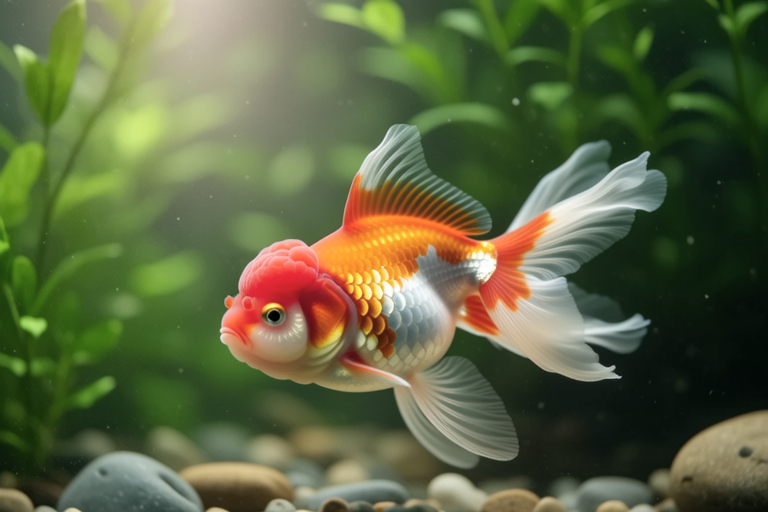
Welcome to the world of goldfish! Known for their vibrant colors and graceful movements, goldfish are among the most popular pets worldwide. These delightful creatures have the potential to live up to 20 years, making them excellent companions for families and individuals alike. However, their lifespan can be significantly shortened by improper care, which is why understanding the factors that influence their longevity is crucial.
Goldfish are highly susceptible to environmental conditions, which can greatly affect their health and lifespan. As a responsible owner, it’s essential to avoid common mistakes that many new aquarists make. By providing the right environment and care, you can ensure your goldfish live long, healthy lives.
Common Mistakes That Shorten Goldfish Lifespan
New goldfish owners often make several mistakes that can drastically reduce their pet’s lifespan. One of the most common errors is keeping goldfish in bowls or small tanks. Goldfish produce a significant amount of waste, and a small container cannot support the necessary biological filtration needed to maintain clean water. Another mistake is overfeeding, which leads to poor water quality and obesity. Additionally, failing to perform regular water changes can result in harmful ammonia and nitrite levels, poisoning the fish.
Optimal Tank Setup for Longevity
Appropriate Tank Size
The first step in creating an ideal environment for your goldfish is choosing the right tank size. A general rule of thumb is to provide at least 20 gallons of water per goldfish. This ensures there is enough space for the fish to swim comfortably and allows for efficient filtration. Larger tanks also help dilute waste products, reducing the risk of toxic build-up.
Filtration Systems
A high-quality filtration system is vital for maintaining water quality. Goldfish are messy eaters and produce substantial amounts of waste, so a filter that combines mechanical, biological, and chemical filtration is recommended. Mechanical filtration removes large debris, while biological filtration helps break down harmful ammonia and nitrites into less toxic compounds. Chemical filtration, typically through activated carbon, removes dissolved organic compounds and medications from the water.
Water Quality Maintenance
Maintaining optimal water parameters is crucial for goldfish health. The temperature should be kept between 68°F and 74°F (20°C to 23°C). Fluctuations in temperature can stress the fish, making them more susceptible to diseases. pH levels should be maintained between 6.5 and 8.0, slightly alkaline. Regular testing of water parameters using test kits is essential to ensure a stable environment.
Diet Essentials and Nutritional Needs
Proper nutrition plays a key role in extending your goldfish’s lifespan. Goldfish require a balanced diet that includes protein, fats, carbohydrates, vitamins, and minerals. High-quality commercial flake or pellet food formulated specifically for goldfish is a good starting point. It’s important to feed them small portions multiple times a day rather than one large meal. Overfeeding can lead to poor water quality and obesity.
In addition to commercial foods, goldfish can benefit from occasional treats like blanched vegetables (such as peas or spinach) and freeze-dried or live foods like brine shrimp or bloodworms. These treats should be offered sparingly, as they can disrupt the balance of nutrients in the diet.
Preventing Common Diseases and Recognizing Signs of Illness
Regular observation of your goldfish is essential for early detection of any health issues. Some common signs of illness include loss of appetite, unusual swimming behavior, lethargy, pale gills, bloating, or visible parasites. If you notice any of these symptoms, take immediate action.
To prevent diseases, maintain pristine water conditions and quarantine new fish before introducing them to the main tank. Quarantining new arrivals helps ensure they don’t bring any pathogens into your established aquarium. Regular water changes, about 20% weekly, also help keep the environment clean and reduce the risk of infections.
The Emotional and Rewarding Experience of Watching Your Goldfish Thrive
Raising a goldfish is not just about providing the right living conditions; it’s also about forming a bond with your pet. Watching your goldfish grow and thrive over the years can be incredibly rewarding. Their longevity means you’ll have a companion for many years, allowing you to witness their natural behaviors and enjoy their company.
By following these tips and providing the best possible care, you can significantly increase the lifespan of your goldfish. Remember, a happy and healthy goldfish is a sign of a well-maintained aquarium. Enjoy the journey of nurturing your aquatic friend and the many years of joy they will bring to your home.
