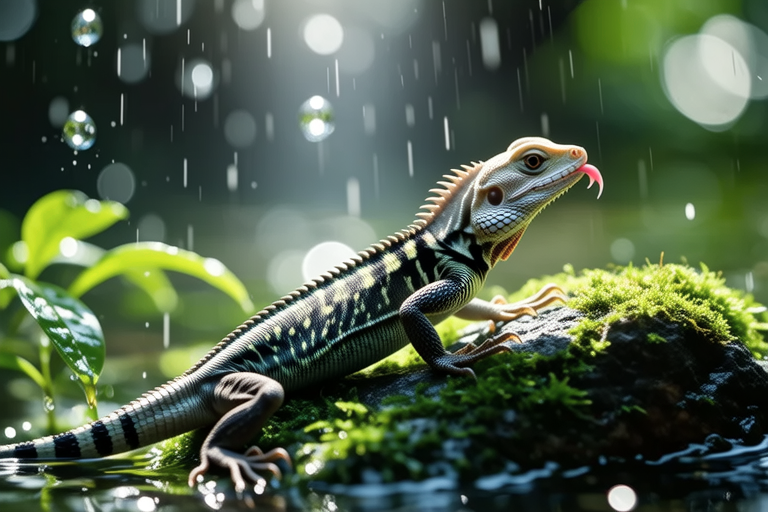
Unleashing Charm: The Captivating World of Splendid Japalure
In the realm of exotic pets, few creatures captivate the hearts of enthusiasts quite like the Japalura gecko. These enchanting lizards, native to Southeast Asia, have garnered a reputation for their striking appearance, gentle demeanor, and unique care requirements. Whether you’re an experienced reptile keeper or a first-time pet owner, the world of Japalura geckos offers a fascinating journey into the wilds of nature. This article delves into the history, characteristics, care, and charm of these splendid creatures, offering insights that will both inform and inspire.
The Alluring History of Japalura Geckos
The Japalura gecko, belonging to the genus Japalura, has a rich and intriguing history rooted in the lush forests of Southeast Asia. Native to regions such as Vietnam, Laos, and China, these geckos have been admired by locals for centuries. Historically, they were considered symbols of good luck and prosperity, often featured in local folklore and art. Their distinctive appearance and elusive nature made them a subject of fascination for early naturalists and collectors alike.
The first scientific description of Japalura geckos dates back to the mid-19th century when European explorers began documenting the diverse wildlife of Southeast Asia. Since then, several species have been identified and studied, each showcasing its own unique traits and behaviors. Today, Japalura geckos are popular among reptile enthusiasts worldwide, thanks to their captivating beauty and relatively low maintenance compared to other exotic pets.
Unique Characteristics of Japalura Geckos
One of the most striking features of Japalura geckos is their vibrant coloration. Depending on the species, their bodies can range from earthy browns and greens to striking blues and yellows. Their skin is covered in tiny scales that give them a velvety texture, enhancing their overall appeal. The geckos’ large, expressive eyes add to their charm, often reflecting a sense of curiosity and intelligence.
Japalura geckos are also known for their exceptional climbing abilities. Their specialized toe pads, equipped with microscopic hairs called setae, allow them to adhere to a variety of surfaces, including glass, wood, and even smooth rocks. This adaptation not only aids in their natural habitat but also provides hours of entertainment for their human companions, who can watch them gracefully navigate their enclosures.
Beyond their physical attributes, Japalura geckos exhibit a range of interesting behaviors. They are generally nocturnal, becoming active during the evening hours. During the day, they prefer to rest in cool, dark spots within their enclosure. Despite their solitary nature, they can be gentle and responsive to handling when properly acclimated. Their calm demeanor makes them ideal pets for those seeking a low-stress companion.
Care Requirements for Japalura Geckos
While Japalura geckos may seem like simple pets at first glance, proper care is essential to ensure their health and well-being. Understanding their specific needs will help you create a thriving environment for your new friend.
Housing
Adequate housing is crucial for the comfort and safety of your Japalura gecko. A standard 20-gallon terrarium with a secure lid is suitable for most adult geckos. The enclosure should include a variety of vertical structures, such as branches, rocks, and artificial plants, to provide ample climbing opportunities. These structures also serve as hiding spots, helping your gecko feel secure.
Substrate is another important consideration. Many owners opt for coconut fiber or reptile-safe paper towels, which are easy to clean and maintain. Avoid using sand or small gravel, as these can pose a choking hazard if ingested. Additionally, ensure that the enclosure is free from sharp edges or toxic materials that could harm your gecko.
Temperature and Humidity
Maintaining the correct temperature gradient is vital for your gecko’s health. Provide a warm side of the enclosure, typically around 80-85°F (27-29°C), and a cooler side ranging between 70-75°F (21-24°C). This allows your gecko to regulate its body temperature by moving between the two areas. Use under-tank heating pads or ceramic heat emitters to achieve this gradient, ensuring that no hot spots develop that could burn your gecko.
Humidity levels should be kept between 60-70%. This can be achieved through regular misting of the enclosure, the use of a water dish, and the incorporation of live plants. Proper humidity helps prevent respiratory issues and ensures that your gecko remains hydrated. However, avoid creating overly damp conditions, as this can lead to mold growth and respiratory problems.
Diet and Nutrition
Japalura geckos are primarily insectivorous, feeding on a variety of insects such as crickets, mealworms, and waxworms. It’s important to gut-load these insects with nutritious foods before offering them to your gecko. This process involves feeding the insects a diet rich in vitamins and minerals, which they then pass on to your gecko. Additionally, dusting the insects with a calcium and vitamin D3 supplement once or twice a week helps prevent deficiencies.
Occasional treats, such as fruit flies or small pieces of fruit, can be offered to vary the diet and stimulate appetite. However, these should be given sparingly, as excessive sugar can lead to health issues. Always ensure that the insects you feed are appropriately sized for your gecko to prevent digestive problems.
Common Myths About Japalura Geckos
Despite their growing popularity, many misconceptions surround Japalura geckos. Let’s dispel some of these myths:
- Myth: Japalura geckos require frequent handling. In reality, while Japalura geckos can become accustomed to gentle handling, they are generally more comfortable in their environment. Frequent handling can stress them, so it’s best to handle them only when necessary.
- Myth: Japalura geckos thrive in communal environments. While some reptiles do well in groups, Japalura geckos are solitary creatures. Housing multiple geckos together can lead to aggression and stress, so it’s best to keep them individually.
- Myth: Japalura geckos don’t need UVB lighting. Although Japalura geckos are primarily nocturnal, providing a low-level UVB light during the day can help promote healthy bone development and prevent metabolic bone disease.
Tips for Potential Owners
Considering a Japalura gecko as a pet? Here are some practical tips to help you prepare:
Research Before Committing
Before bringing home a Japalura gecko, take the time to research their specific needs and behaviors. Understanding their habitat, diet, and care requirements will ensure that you’re prepared for the commitment. Many online forums and local reptile clubs offer valuable resources and support for new owners.
Choose the Right Species
Several species of Japalura geckos exist, each with its own unique characteristics. Some species are more docile and easier to handle, while others are more elusive. Choose a species that aligns with your experience level and lifestyle.
Provide Enrichment
To keep your gecko mentally stimulated, provide enrichment activities such as puzzle feeders, climbing structures, and interactive toys. These activities not only enhance their well-being but also provide entertainment for you as an owner.
Reflection on Japalura Geckos
Japalura geckos stand out in the world of exotic pets due to their unique combination of beauty, charm, and manageable care requirements. Their striking appearance, coupled with their gentle nature, makes them a delightful addition to any reptile enthusiast’s collection. While they may not be the easiest pets to care for, the satisfaction of watching them thrive in their environment is truly rewarding.
Whether you’re drawn to their vibrant colors, their graceful movements, or simply their quiet companionship, Japalura geckos offer a world of wonder for those willing to explore. By understanding and respecting their needs, you can create a harmonious relationship with these splendid creatures, ensuring a lifetime of joy and discovery.
