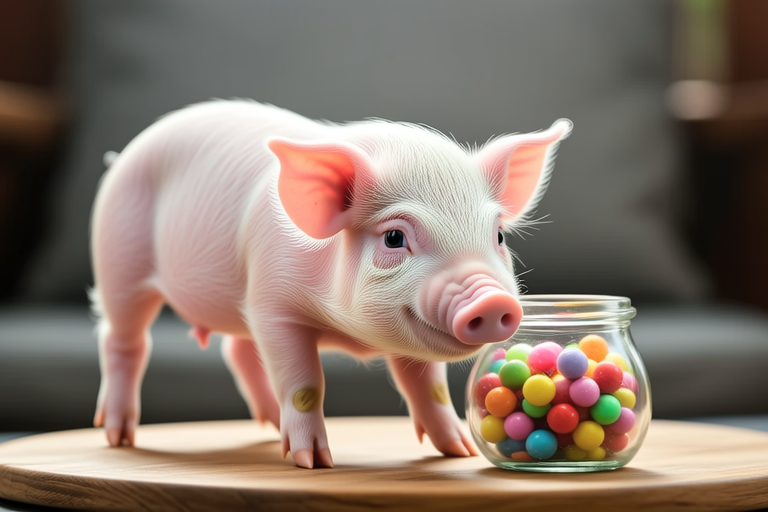
The Secret Lives of Mini Pigs: Fun Facts That Will Blow Your Mind
Mini pigs have emerged as surprisingly popular pets, captivating the hearts of many pet lovers with their charm and intelligence. These pint-sized creatures, often mistaken for mere toys due to their diminutive appearance, are far more complex and fascinating than one might initially assume. Their keen intelligence and unique behaviors make them stand out among other domesticated animals.
Origins and Evolution
The journey of mini pigs begins with their larger counterparts, traditional farm pigs, which have been domesticated for thousands of years. The first mini pigs were selectively bred from pot-bellied pigs, which originated in Vietnam. These selective breeding programs aimed at creating smaller, more manageable versions of their farm-dwelling cousins. Over time, these efforts resulted in a distinct breed known today as the mini pig.
One of the most intriguing aspects of mini pigs is their ability to adapt to various environments. Unlike their farm relatives, who are primarily suited for agricultural settings, mini pigs have proven highly adaptable as indoor pets. This adaptability is partly due to their small size and the fact that they can be trained to use litter boxes, making them ideal companions for urban dwellers.
Differences from Traditional Farm Pigs
While mini pigs share many traits with their larger cousins, there are several key differences that set them apart. Mini pigs are significantly smaller, with adult weights ranging from 30 to 70 pounds, compared to the 600 pounds or more of standard farm pigs. Their compact size makes them easier to manage within households, but it also means they require careful attention to their diet and exercise to maintain optimal health.
Another notable difference lies in their behavior. While farm pigs are often seen as docile and easygoing, mini pigs exhibit a more dynamic range of behaviors. They are curious, playful, and highly intelligent, often engaging in activities that challenge their cognitive abilities. Studies have shown that mini pigs can learn simple commands and even perform tricks, much like dogs.
Social Nature and Dietary Needs
Mini pigs are inherently social animals, thriving in environments where they can interact with both humans and other animals. They form strong bonds with their owners and enjoy being part of family activities. However, their social nature also requires owners to provide ample opportunities for interaction and mental stimulation. Without adequate engagement, mini pigs may become bored or develop behavioral issues.
Feeding mini pigs correctly is crucial for their health and well-being. Despite their small size, mini pigs require a balanced diet rich in fiber, vitamins, and minerals. Owners must avoid overfeeding, as this can lead to obesity, a common issue among mini pigs. A diet typically consists of commercial pig feed, supplemented with fresh vegetables and fruits. It’s important to consult with a veterinarian to determine the appropriate diet based on the pig’s age, weight, and activity level.
Surprising Talents and Fun Facts
Mini pigs possess a surprising array of talents that can amaze their owners. For instance, they are excellent problem solvers, capable of figuring out puzzles designed to test their cognitive skills. One study found that mini pigs could open a simple latch after just a few attempts, demonstrating their quick learning abilities.
In terms of lifespan, mini pigs generally live between 10 and 20 years, depending on factors such as genetics, diet, and overall health. This longevity underscores the importance of responsible ownership and long-term commitment. Additionally, mini pigs come in a variety of sizes, with some breeds, like the Juliana, being particularly petite, while others, like the KuneKune, can reach a bit heavier than average.
Adaptability is another hallmark of mini pigs. They can thrive in diverse climates and living conditions, making them suitable candidates for both rural and urban homes. Many owners report that their mini pigs adjust easily to life indoors, enjoying the comfort of a cozy bed and the company of their human families.
Tips for Potential Owners
Considering a mini pig as a pet is a significant decision that requires thorough preparation. First and foremost, potential owners should research extensively to understand the specific needs and characteristics of mini pigs. Consulting with experienced owners and veterinarians can provide valuable insights into what to expect.
Creating a safe and stimulating environment is essential. Mini pigs need space to explore and play, so owners should ensure that their home provides plenty of room for movement. Additionally, providing mental stimulation through toys and puzzles can help prevent boredom and promote healthy behavior.
Training is another critical aspect of mini pig ownership. Positive reinforcement techniques work well with mini pigs, helping them learn commands and good manners. Consistency is key, as pigs respond best to routines and clear expectations.
Lastly, it’s important to recognize the commitment involved in owning a mini pig. These animals require daily care, including feeding, grooming, and monitoring their health. Regular veterinary check-ups are necessary to catch any potential issues early. Moreover, the emotional bond formed between owner and pig can be profound, adding depth and joy to the relationship.
As you consider welcoming a mini pig into your home, remember that they bring not only companionship but also challenges. With proper care and attention, however, these delightful creatures can enrich your life in ways you never imagined. So, if you’re ready for a unique and rewarding pet experience, a mini pig might just be the perfect addition to your family.
