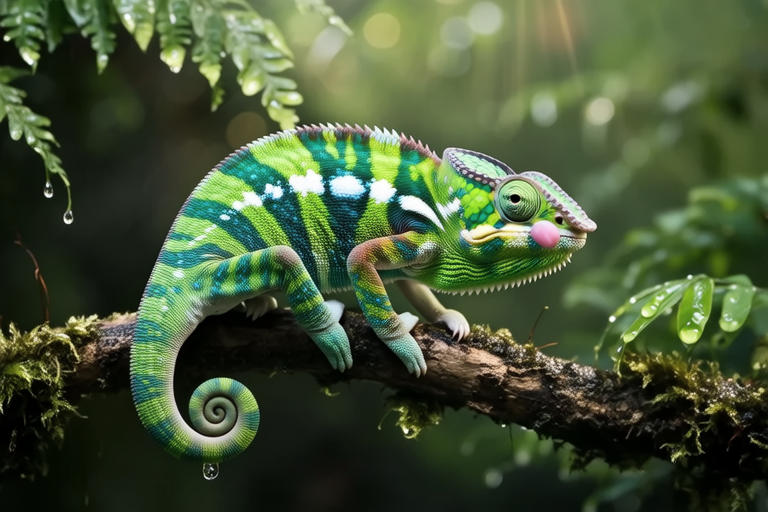
The Ultimate Guide to Chameleon Care for Beginners
Welcome to the world of chameleons! These fascinating reptiles have captivated the hearts of many animal lovers with their vibrant colors and unique behaviors. If you’re new to chameleon ownership, this guide will provide you with all the essential information to ensure your pet leads a healthy and happy life. From choosing the right species to setting up the perfect habitat, we’ll cover everything you need to know about chameleon care.
Chameleon Species Overview
There are over 200 different species of chameleons, but only a few are commonly kept as pets. The most popular choices include:
- Jackson’s Chameleon (Trioceros jacksonii): Known for its three horns, this species hails from East Africa. They are generally calm and can live up to 7 years.
- Panther Chameleon (Furcifer pardalis): Originating from Madagascar, panther chameleons are known for their striking coloration. Males can reach lengths of 20 inches and live around 5-7 years.
- Beechey’s Chameleon (Furcifer lateralis): Also from Madagascar, these chameleons are smaller and easier to care for, making them suitable for beginners.
Before selecting a chameleon, research each species’ specific needs to ensure you can provide the best possible environment.
Habitat Setup: Enclosure Size, Lighting Requirements, Temperature and Humidity Levels
Enclosure Size
Chameleons require spacious enclosures that allow for climbing and exploration. A general rule is to provide at least 20 gallons of space per inch of chameleon length. For example, a 16-inch adult male panther chameleon would need an enclosure of approximately 48x24x48 inches. Vertical space is more important than horizontal space because chameleons prefer climbing.
Lighting Requirements
Proper lighting is crucial for chameleons as it mimics natural sunlight and helps regulate their body temperature and metabolism. Use full-spectrum UVB bulbs specifically designed for reptiles. Position the bulb at one end of the enclosure so your chameleon can bask under it. Replace the bulb every six months to ensure it remains effective.
Temperature and Humidity Levels
Maintaining appropriate temperatures and humidity levels is vital for your chameleon’s health. During the day, the basking spot should be between 90-95°F (32-35°C) while the cooler side of the enclosure should be around 75-80°F (24-27°C). At night, temperatures can drop slightly but should never fall below 65°F (18°C).
Humidity should range between 40% and 70%, depending on the species. Use misting systems or hand-misting techniques to achieve the desired moisture level. Avoid overly saturated environments, as this can lead to respiratory infections.
Diet and Feeding Habits
Chameleons are insectivores, meaning their diet consists primarily of insects. Offer a variety of prey items such as crickets, dubia roaches, silkworms, and hornworms. Gut-load these insects with nutritious food before feeding them to your chameleon. Dust the insects with calcium powder and a multivitamin supplement once or twice weekly to ensure proper nutrition.
Feed juveniles daily and adults every other day. Monitor your chameleon’s weight and adjust feeding frequency accordingly. Overfeeding can cause obesity, while underfeeding may result in malnutrition.
Handling Tips
Chameleons are not social animals and do not enjoy being handled. They are best observed from a distance rather than held. If you must handle your chameleon, always support its entire body and move slowly to avoid startling it. Limit handling sessions to no more than 10 minutes per week to minimize stress.
Health Issues to Watch For
Common health problems in chameleons include:
- Metabolic Bone Disease (MBD): Caused by insufficient calcium intake or improper UVB exposure. Symptoms include soft bones, swollen limbs, and difficulty moving.
- Respiratory Infections: Often caused by incorrect humidity levels or poor ventilation. Look out for wheezing, bubbling eyes, or mucus discharge.
- Parasites: Can be passed through contaminated food or water. Regular fecal exams and clean living conditions help prevent parasite infestations.
Regular vet check-ups are recommended to catch potential issues early. Always consult a veterinarian experienced in reptile care if you notice any unusual behavior or physical changes in your chameleon.
Common Mistakes to Avoid
- Overhandling: As mentioned earlier, chameleons do not like to be handled frequently. Respect their need for solitude.
- Inadequate Ventilation: Poor air circulation can lead to respiratory issues. Ensure your enclosure has adequate ventilation without causing drafts.
- Improper Lighting: Insufficient or incorrect UVB lighting can result in MBD. Always follow manufacturer guidelines when setting up your chameleon’s habitat.
- Incorrect Temperature and Humidity: Maintaining the right temperature and humidity levels is critical for your chameleon’s well-being. Invest in thermometers and hygrometers to monitor these conditions accurately.
Practical Advice and Tips
To further enhance your chameleon’s quality of life, consider the following tips:
- Provide a variety of branches and vines for climbing and hiding. This mimics their natural environment and encourages exercise.
- Ensure water is always available. Use drip systems or misting devices to keep the enclosure moist and provide fresh drinking water daily.
- Regularly clean the enclosure to prevent the buildup of harmful bacteria. Remove uneaten food and waste promptly.
- Monitor your chameleon’s appetite and overall appearance. Any sudden changes in behavior or physical condition could indicate a health issue.
By following the advice outlined in this guide, you’ll be well-equipped to provide excellent care for your chameleon. Remember that each chameleon is unique, so pay close attention to your pet’s individual needs and preferences. With proper care and attention, your chameleon can thrive in its new home.
