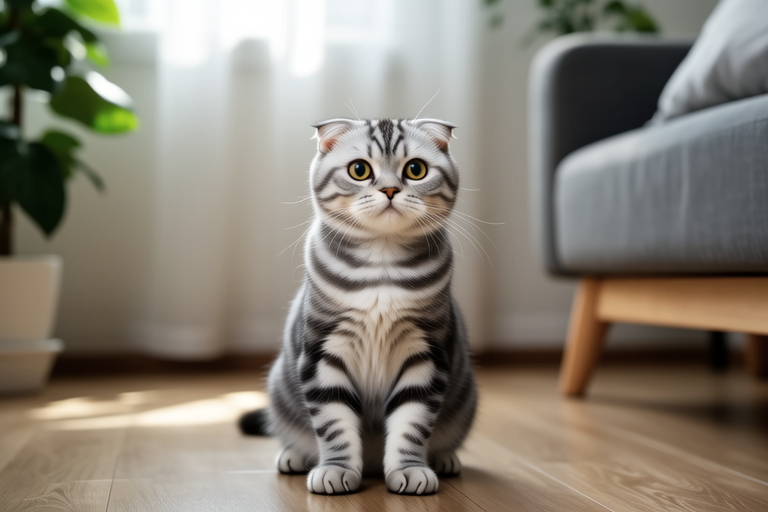
From Curiosity to Companionship: All You Need to Know About Scottish Folds
Welcome to the world of Scottish Folds, a breed that has captured the hearts of cat lovers around the globe. These unique felines are distinguished by their most prominent feature – their folded ears, which give them a distinct look that’s both charming and endearing. The Scottish Fold’s appearance is complemented by their round faces, large eyes, and compact bodies, making them a sight to behold. But what lies beneath these adorable exteriors? This article delves into the fascinating history, temperament, health, and care of Scottish Folds, offering valuable insights for those considering adopting one.
A Brief History and Origin of the Scottish Fold
The story of the Scottish Fold begins in Scotland in the 1960s. A white barn cat named Susie was found near a farm in Perthshire, and she had a natural mutation that caused her ears to fold forward and downward. Her unusual appearance intrigued her owner, William Ross, who bred her with a local tomcat. Their offspring included kittens with folded ears, marking the beginning of the Scottish Fold breed. Recognized by the Cat Fanciers’ Association (CFA) in 1978, the breed has since gained popularity worldwide.
Over time, dedicated breeders have refined the Scottish Fold’s characteristics, ensuring genetic diversity while preserving their unique traits. Today, Scottish Folds come in various colors and patterns, each adding to their charm. However, the breed’s development has not been without challenges. Concerns about ear-related health issues have led to careful breeding practices aimed at minimizing risks while upholding the breed’s signature look.
Temperament: Why Scottish Folds Make Great Companions
Beyond their striking appearance, Scottish Folds are known for their affectionate and adaptable nature. They are generally calm, gentle, and enjoy being around people. This makes them excellent companions for families, singles, and even older adults seeking a low-maintenance pet. Scottish Folds tend to be playful but not overly hyperactive, preferring interactive games and cuddling over high-energy activities.
One of the most appealing aspects of Scottish Folds is their ability to form strong bonds with their human families. They are often described as being dog-like in their loyalty and responsiveness. Many owners report that their Scottish Folds follow them around the house, seek out affection, and enjoy sitting in laps. Their intelligence and curiosity also make them engaging pets, always ready to explore new environments and engage in stimulating activities.
Health Considerations and Tips for Maintaining Well-being
While Scottish Folds are generally healthy cats, they are prone to certain health issues due to their genetic makeup. One of the most significant concerns is osteochondrodysplasia, a condition affecting cartilage and bone development. This can lead to joint problems, particularly in the tail and legs. Responsible breeding practices, such as avoiding inbreeding and selecting healthy parents, are crucial in reducing the risk of these issues.
To maintain your Scottish Fold’s well-being, regular veterinary check-ups are essential. Early detection and management of potential health issues can greatly improve their quality of life. Additionally, providing a balanced diet, ample exercise, and mental stimulation can help keep your cat happy and healthy. Obesity is another common issue, so monitoring their food intake and encouraging playtime can prevent weight gain.
Grooming and Care for Your Scottish Fold
Grooming a Scottish Fold is relatively straightforward, thanks to their short, dense coats. Regular brushing helps remove loose hair and prevents matting, especially during shedding seasons. Their ears, however, require special attention due to their unique shape. Cleaning the inside of the ears gently with a damp cloth can help prevent wax buildup and infections. It’s important to handle their ears carefully to avoid causing discomfort.
Creating a safe and comfortable environment for your Scottish Fold is also vital. Providing scratching posts, climbing structures, and toys can help satisfy their natural instincts and provide mental stimulation. Since they are social animals, spending quality time with them is key to fostering a strong bond. Engaging in interactive play sessions not only keeps them entertained but also strengthens your relationship with your pet.
Anecdotes and Testimonials from Owners
Many Scottish Fold owners share stories of the deep connections they’ve formed with their pets. Sarah, a long-time owner, recalls how her Scottish Fold, named Whiskers, became an integral part of her family. “Whiskers has a way of making everyone feel welcome,” she says. “He follows me everywhere and loves to curl up in my lap when I’m reading or watching TV. His presence brings so much joy to our home.”
Another owner, Mark, emphasizes the breed’s adaptability. “Our Scottish Fold, Luna, has adjusted beautifully to our busy household. She’s always there to greet us after work and enjoys playing with our children. Despite her laid-back demeanor, she’s incredibly intelligent and quick to learn new tricks.” These personal accounts highlight the rewarding experience of owning a Scottish Fold and the enduring bond they can create with their human families.
In conclusion, Scottish Folds are more than just visually striking cats; they are loving, intelligent companions that bring joy and warmth to their homes. By understanding their history, temperament, health needs, and care requirements, prospective owners can ensure a fulfilling and healthy relationship with these remarkable felines. Whether you’re a seasoned cat lover or considering your first pet, a Scottish Fold could be the perfect addition to your family.
