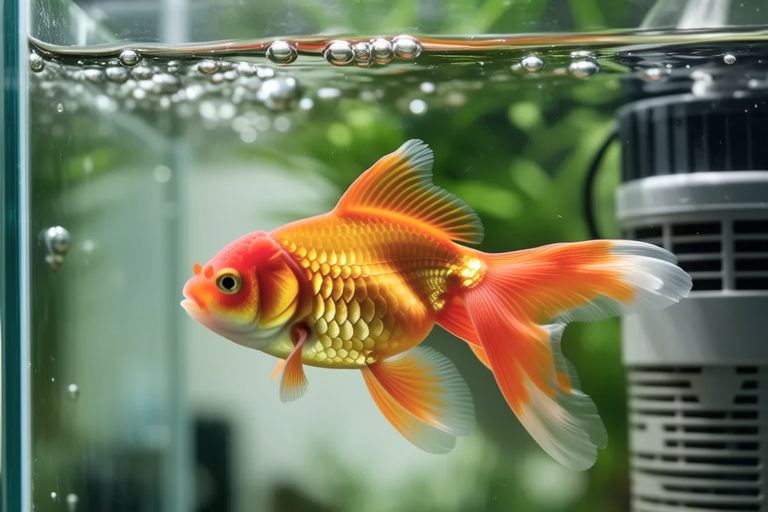
How to Make Your Goldfish Live Longer: Insider Tips
Goldfish are beloved pets known for their vibrant colors and playful nature. However, many pet owners are unaware that these charming creatures have the potential to live much longer than they often do. Understanding the factors that contribute to a goldfish’s lifespan can help you provide your aquatic companion with a healthier, happier life. In this article, we’ll delve into the average lifespan of goldfish, common reasons for their shortened lives, and offer insider tips to extend their longevity.
The Average Lifespan of Goldfish
Goldfish can live anywhere from 5 to 10 years, but some have been reported to live up to 20 years under ideal conditions. The key to extending their lifespan lies in creating an environment that mimics their natural habitat as closely as possible. Unfortunately, many goldfish don’t reach their full potential due to improper care. Common reasons for shortened lifespans include poor water quality, inadequate diet, inappropriate tank size, and lack of proper temperature control.
Maintaining Optimal Water Quality
Water quality is paramount for the health of your goldfish. Poor water quality can lead to a variety of health issues, including infections and organ failure. To maintain optimal water quality, it’s crucial to perform regular water changes and ensure proper filtration.
Regular Water Changes
Performing weekly water changes is essential to remove waste products, uneaten food, and other pollutants that can build up over time. Aim to change about 20% of the water each week. Always use a water conditioner to neutralize chlorine and chloramines found in tap water. Additionally, monitor the pH levels and ammonia levels in your tank to ensure they remain within safe ranges.
Proper Filtration
A good filtration system is vital for keeping your tank clean and healthy. Look for a filter that provides mechanical, biological, and chemical filtration. Mechanical filtration removes debris from the water, biological filtration supports beneficial bacteria that break down harmful compounds, and chemical filtration helps absorb toxins. Ensure the filter is appropriate for the size of your tank and replace filter media regularly according to the manufacturer’s instructions.
Appropriate Feeding Habits
Feeding your goldfish a balanced diet is crucial for their health and longevity. Overfeeding can lead to obesity and digestive problems, while underfeeding can result in malnutrition.
Varying the Diet
Offer a varied diet that includes high-quality commercial goldfish flakes or pellets, as well as occasional treats like blanched vegetables (such as peas or zucchini) and freeze-dried or frozen foods like brine shrimp or bloodworms. Avoid over-relying on one type of food to prevent nutritional deficiencies.
Portion Control
Feed your goldfish only what they can consume in about two minutes. Uneaten food can quickly degrade water quality, so removing any leftovers after feeding is important. Feeding small amounts more frequently (twice daily) can also be beneficial, especially for younger fish.
Suitable Tank Size and Decorations
Providing ample space and enriching the tank with appropriate decorations can significantly enhance your goldfish’s quality of life.
Tank Size
Goldfish need plenty of room to swim and grow. A single goldfish requires at least 20 gallons of water, and each additional fish needs an extra 10 gallons. Larger tanks not only provide more swimming space but also help dilute waste products, making it easier to maintain water quality.
Decorations
Choose decorations that provide hiding spots and stimulate exploration without posing a risk of injury. Smooth rocks, driftwood, and plastic plants are good options. Avoid sharp objects or decorations with small openings where your fish could become trapped. Plants can also help improve water quality by absorbing nutrients and providing oxygen.
Temperature Control
Goldfish are cold-water fish and prefer temperatures between 68°F and 74°F (20°C to 23°C). Maintaining a consistent temperature is essential for their health. Fluctuations can stress the fish and make them more susceptible to diseases.
Heating Devices
In cooler climates or during winter months, a heater may be necessary to keep the water temperature stable. Choose a heater with a thermostat to automatically regulate the temperature. Be sure to position the heater away from areas where the fish might bump into it to prevent injuries.
Recognizing Signs of Illness and Seeking Professional Help
No matter how diligent you are in caring for your goldfish, there may come a time when they exhibit signs of illness. Early detection and treatment are crucial for their recovery.
Common Signs of Illness
Watch for changes in behavior, such as loss of appetite, lethargy, or erratic swimming. Physical symptoms like bloating, discoloration, or unusual growths can also indicate health issues. If you notice any of these signs, it’s essential to act promptly.
When to Seek Professional Help
If your goldfish shows persistent signs of illness despite your best efforts to address the issue, consult a veterinarian who specializes in aquatic animals. They can diagnose the problem accurately and recommend appropriate treatments. Don’t hesitate to seek professional help; early intervention can make all the difference in your fish’s recovery.
In conclusion, by understanding the factors that influence your goldfish’s lifespan and implementing the tips outlined in this article, you can create an environment that promotes their health and longevity. With proper care, your goldfish can enjoy a long, fulfilling life, bringing joy and companionship to your home for years to come.
