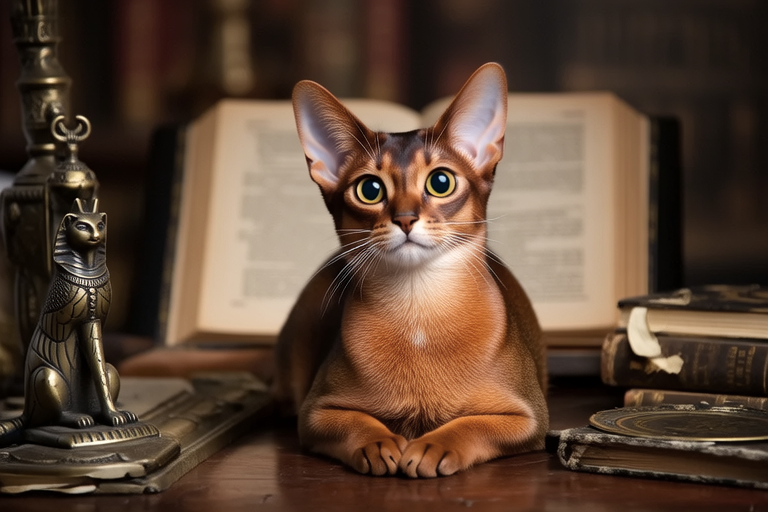
The Origins and Evolution of the Abyssinian Cat
The Abyssinian cat is one of the most enigmatic and fascinating breeds in the world of felines. With its striking appearance and unique genetic makeup, it has captured the hearts of cat lovers for centuries. This article explores the origins and evolution of the Abyssinian cat, tracing its roots from ancient temples in Ethiopia to modern-day living rooms.
Origins: The Mysterious Beginnings
The exact origins of the Abyssinian cat remain shrouded in mystery, but many believe that the breed originated in the region of Ethiopia, formerly known as Abyssinia. Ancient Egyptian artifacts often depict cats with similar characteristics, suggesting a connection between the two. Cats were revered in ancient Egypt, where they were worshipped as gods and mummified after death. The Abyssinian cat may have been one of the sacred cats that lived in temples and palaces.
Evolution: From Temples to Living Rooms
The Abyssinian cat’s journey from ancient temples to modern-day living rooms is a long and complex one. During the Victorian era, the breed gained popularity among British aristocrats who sought to create exotic pets. The first recorded Abyssinian cat in Britain was named Zula, brought back by an army officer from Abyssinia in 1868. Since then, the breed has undergone significant changes due to selective breeding and genetic research.
Key Historical Periods and Events
The Abyssinian cat’s development was influenced by several key historical periods and events. One of the most significant was the Industrial Revolution, which led to the rise of urbanization and the need for smaller, more manageable pets. The Abyssinian cat’s sleek and athletic build made it an ideal companion for city dwellers. Another important event was World War II, which caused a decline in the breed’s population due to the destruction of breeding programs in Europe. However, the breed managed to survive thanks to dedicated breeders who continued to work with the remaining stock.
Genetic Uniqueness and Physical Traits
The Abyssinian cat is known for its distinctive physical traits, which include large ears, almond-shaped eyes, and a ticked coat pattern. The breed’s genetic makeup is unique, with a mutation in the MC1R gene responsible for the ticked coat pattern. This mutation is believed to have occurred in East Africa, making the Abyssinian cat a true descendant of the African wildcat.
Notable Mentions in Art, Literature, and Culture
The Abyssinian cat has been featured in various forms of art, literature, and culture throughout history. In ancient Egypt, cats were often depicted in hieroglyphics and tomb paintings. The breed has also appeared in numerous works of literature, including T.S. Eliot’s “Old Deuteronomy” in Cats. In popular culture, the Abyssinian cat has been portrayed in movies, TV shows, and commercials, further cementing its place in the public consciousness.
Becoming Popular Pets
The Abyssinian cat’s popularity as a pet can be attributed to its friendly and affectionate nature. Unlike some other breeds, the Abyssinian cat is known for its sociability and love of human interaction. It is also highly intelligent, curious, and playful, making it an ideal companion for families and individuals alike. The breed’s adaptability to different environments has also contributed to its success as a pet. Whether living in a bustling city or a quiet countryside, the Abyssinian cat can thrive in almost any setting.
Adaptation to Contemporary Family Life
The Abyssinian cat’s adaptation to contemporary family life is remarkable. Despite its wild origins, the breed has become a beloved member of households around the world. The Abyssinian cat is known for its strong bond with its owners, often following them from room to room and seeking out attention whenever possible. The breed is also highly adaptable, able to adjust to changes in routine and environment with ease. This makes it an excellent choice for busy families and individuals who may not have a lot of time to devote to pet care.
Expert Opinions on Temperament and Care Requirements
Experts agree that the Abyssinian cat is a highly intelligent and social breed that requires plenty of mental stimulation and companionship. The breed is known for its curiosity and playfulness, often engaging in activities such as chasing toys and exploring new environments. Owners should provide their Abyssinian cats with plenty of toys and opportunities for exercise to keep them mentally and physically stimulated. The breed is also known for its vocal nature, often communicating with its owners through chirps and meows. While this can be endearing, it can also be challenging for those who prefer a quieter pet.
In terms of care requirements, the Abyssinian cat is relatively low-maintenance compared to other breeds. The breed’s short coat requires minimal grooming, and it is generally healthy with no major genetic health issues. However, owners should be aware of the breed’s susceptibility to certain conditions, including dental problems and kidney disease. Regular veterinary check-ups and proper nutrition are essential to maintaining the health and well-being of an Abyssinian cat.
Conclusion
The Abyssinian cat is a breed with a rich and fascinating history that spans thousands of years. From its origins in ancient temples in Ethiopia to its current status as a beloved pet, the breed has come a long way. Its genetic uniqueness, physical traits, and friendly temperament make it a standout among other cat breeds. Whether you’re a seasoned cat enthusiast or a newcomer to the world of felines, the Abyssinian cat is sure to capture your heart.
