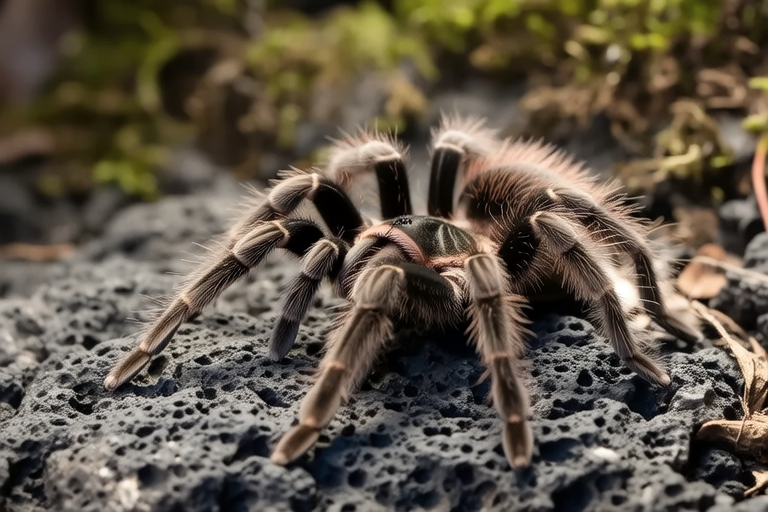
Tarantulas as Pets: Everything You Need to Know Before Adopting
Adopting a tarantula as a pet can be an exciting and rewarding experience for arachnid enthusiasts. However, before you bring one home, it’s essential to understand the responsibilities and requirements of tarantula ownership. This guide covers everything from choosing the right species to providing proper care and ensuring your safety.
Choosing the Right Tarantula Species
With over 900 species of tarantulas worldwide, selecting the perfect pet can be overwhelming. Beginners should consider species that are docile, easy to handle, and have minimal environmental needs. Some popular choices include:
- Barking Spider (Acanthoscurria geniculata): Known for its distinctive bark-like sound, this species is relatively calm and makes an excellent starter tarantula.
- Rusty Red (Grammostola mollicoma): This tarantula is gentle and hardy, making it ideal for beginners.
- Cobalt Blue (Hapalopus leucorhinus): Despite its striking appearance, this species is generally docile and manageable.
It’s crucial to research each species thoroughly to ensure compatibility with your lifestyle and living conditions.
Housing Requirements
A well-designed enclosure is vital for the health and happiness of your tarantula. Here’s what you need to know:
- Enclosure Size: The size of the enclosure should be proportional to the tarantula’s size. As a rule of thumb, provide at least three times the leg span in length and width.
- Substrate: Use a substrate that allows for burrowing and maintains humidity levels. Coconut fiber, peat moss, or a mix of both are popular choices.
- Humidity and Temperature: Maintain a humidity level between 60% and 80% and temperatures ranging from 75°F to 85°F (24°C to 29°C). Use a hygrometer and thermometer to monitor these conditions.
- Hiding Spots: Provide hiding spots such as cork bark, half logs, or plastic plants to give your tarantula a sense of security.
Ensure the enclosure is escape-proof and secure to prevent accidents.
Diet and Feeding
Feeding your tarantula appropriately is key to its health. Most tarantulas thrive on a diet of crickets, mealworms, and dubia roaches. Feed juveniles every few days, while adults may only require feeding once a week. It’s important to dust feeder insects with calcium and vitamin supplements to ensure your tarantula gets all necessary nutrients.
Always remove uneaten prey after 24 hours to avoid stress and contamination. Overfeeding can lead to obesity, while underfeeding can cause malnutrition. Proper feeding schedules and portion control are essential.
Handling and Safety Tips
While tarantulas are generally docile, they can become defensive if threatened. Always handle your tarantula with care:
- Never grab or squeeze: Instead, gently coax them into a container or onto your hand.
- Keep interactions short: Frequent handling can stress your tarantula.
- Wear protective gloves: If you’re concerned about urticating hairs, wear thin gloves.
If bitten, clean the wound immediately and seek medical attention if necessary. Most tarantula bites are harmless, causing mild pain and swelling similar to a bee sting.
Common Health Issues
Like any pet, tarantulas can face health issues. Common problems include:
- Dehydration: Insufficient humidity can lead to dehydration, causing lethargy and mobility issues.
- Mites: These parasites can infest your tarantula, leading to weight loss and reduced activity. Regular cleaning and quarantine of new acquisitions can help prevent mite outbreaks.
- Leg Loss: While tarantulas can regenerate lost legs, repeated loss can indicate poor husbandry or underlying health issues.
Regularly inspect your tarantula for signs of illness and consult a veterinarian specializing in exotic animals if you suspect health issues.
Legal Considerations
Before adopting a tarantula, check local laws and regulations regarding exotic pets. Some regions have restrictions on certain species, and some countries prohibit the importation of specific tarantulas entirely. Additionally, consider the ethical implications of keeping wild-caught versus captive-bred tarantulas.
Responsible pet ownership includes supporting sustainable practices and ensuring the well-being of your pet throughout its life.
The Commitment Involved in Owning a Tarantula
Owning a tarantula requires dedication and patience. These creatures have long lifespans—up to 20 years for some species—and their care demands consistent effort. Be prepared to invest time in maintaining the enclosure, monitoring health, and adjusting to changes in behavior as your tarantula grows.
Moreover, tarantulas can be sensitive to changes in their environment. Moving homes or altering their habitat can stress them out, so plan accordingly.
Conclusion
Adopting a tarantula as a pet is a significant decision that requires careful consideration. By choosing the right species, providing appropriate housing, and understanding the commitment involved, you can enjoy a rewarding relationship with your eight-legged companion. Remember, responsible pet ownership means being prepared for the long-term care and well-being of your tarantula.
