Shell Seekers Delight: A Beginner’s Journey with Hermit Crabs
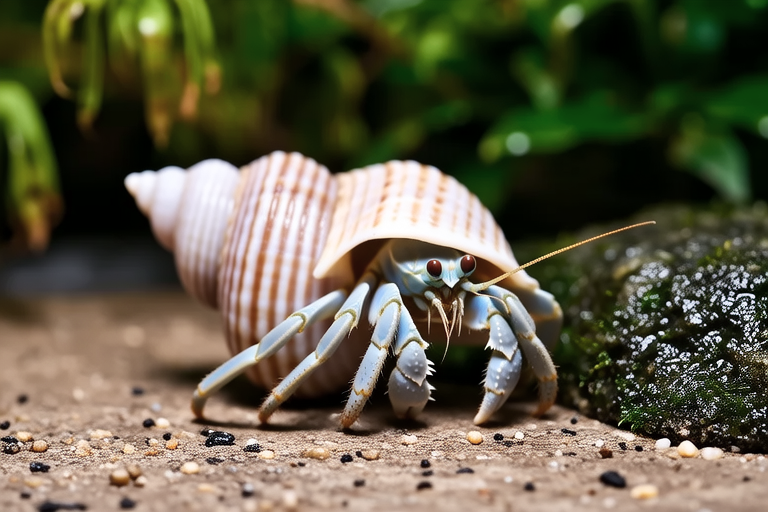
Welcome to the enchanting world of hermit crabs! These fascinating creatures make excellent pets for beginners due to their relatively low maintenance requirements and captivating behaviors. One of the most intriguing aspects of owning hermit crabs is watching them change shells. This natural behavior showcases their adaptability and highlights why they are such delightful companions.
Choosing Your Hermit Crab
Before diving into the care of your new hermit crab, it’s important to choose one that appears healthy. Look for crabs that are active, have clear eyes, and move freely. Avoid those with missing legs or signs of illness like lethargy or discolored exoskeletons. Once you’ve selected your crab, you’re ready to set up its home.
Creating the Perfect Habitat
Setting up a suitable habitat is crucial for the well-being of your hermit crab. The first step is selecting an appropriate tank. A ten-gallon aquarium is ideal for a small group of crabs, but larger tanks are better for more crabs or if you plan to expand your collection. The substrate, or bedding, should be deep enough to allow burrowing, which is essential for your crab’s comfort. A layer of at least three inches of sand or coconut fiber is recommended. Ensure the substrate is moist but not wet, as hermit crabs need to maintain a specific humidity level.
Water dishes are a must-have accessory for hermit crabs. They need both freshwater and saltwater dishes for drinking and soaking. Change the water regularly to prevent bacterial growth. Additionally, provide a variety of shells for your crab to choose from. This encourages natural shell-changing behavior and provides enrichment.
Dietary Needs
Feeding your hermit crab a balanced diet is key to keeping them healthy. Commercial hermit crab food, available at pet stores, forms the foundation of their diet. This food is formulated to meet their nutritional needs and can be supplemented with fresh fruits and vegetables like bananas, apples, and leafy greens. Occasionally, offer protein-rich treats like boiled eggs or fish. Always remove uneaten food promptly to maintain hygiene.
Hermit crabs also require calcium for strong exoskeletons. Crushed eggshells or cuttlebone are excellent sources of calcium. Place these items in the tank for your crabs to nibble on as needed. Remember, a varied diet ensures your crabs stay healthy and vibrant.
Handling and Interaction
Interacting with your hermit crabs can be a rewarding experience, but it requires careful handling to avoid stressing them out. Always wash your hands before and after handling your crabs to prevent transferring harmful bacteria. Gently scoop them up with both hands, supporting their shell and body. Be cautious not to squeeze or drop them, as this can cause injury.
Hermit crabs are nocturnal, so they are most active during the night. If you wish to interact with them, try doing so in the evening when they are naturally more active. Over time, they may become more comfortable around you and even explore outside their tank under supervision.
Health and Longevity
Ensuring your hermit crabs live long, healthy lives involves regular monitoring and proactive care. Common health issues include molting problems and shell disease. During molting, crabs shed their exoskeleton and grow a new one. This process can take several weeks, and during this time, they require extra care. Keep the humidity high and provide plenty of hiding spots. Avoid disturbing them during this vulnerable period.
Shell disease, characterized by dark spots or patches on the shell, can be treated by providing a variety of clean, uninfected shells for your crab to change into. Regularly inspect your crabs for any signs of illness or distress, and consult a veterinarian specializing in exotic animals if necessary.
With proper care, hermit crabs can live for many years. Their longevity depends on factors such as diet, environment, and overall care. By providing a safe, stimulating habitat and attentive care, you can ensure your hermit crabs enjoy a long, happy life.
Conclusion
Hermit crabs are unique, low-maintenance pets that bring joy and fascination to their owners. From their charming shell-changing habits to their simple care requirements, they are perfect for beginners looking to start their pet-keeping journey. By setting up a suitable habitat, offering a balanced diet, and handling them with care, you can ensure your hermit crabs thrive in their new home. Enjoy the delightful companionship of these curious crustaceans and watch as they become cherished members of your household.
