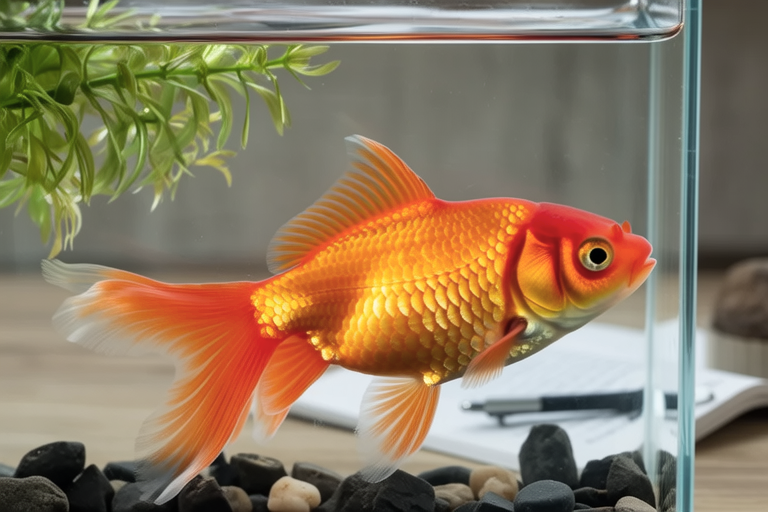
Goldfish: The Hidden Costs of Owning the Perfect Starter Pet
Goldfish are often touted as the perfect starter pet due to their relatively low maintenance requirements and vibrant colors that can brighten any home. These freshwater fish are known for their hardiness and ability to thrive in various environments, making them an attractive choice for beginners and experienced aquarists alike. However, beneath this seemingly simple exterior lies a series of financial considerations that can add up over time. Understanding these hidden costs is crucial for anyone thinking about bringing goldfish into their home.
The Initial Setup: More Than Just a Tank
One of the first steps in owning goldfish is setting up their aquatic habitat. While it might seem straightforward at first glance, there are several essential components that contribute to the initial setup cost. The most obvious expense is the aquarium itself. Depending on the size and quality, aquariums can range from under $50 for a small beginner model to several hundred dollars for larger, more advanced setups.
Equally important is the filtration system. Goldfish produce a significant amount of waste, and without proper filtration, the water quality can quickly degrade, leading to health issues for your fish. Basic filters start around $20, but higher-end models with additional features such as biological, mechanical, and chemical filtration can cost upwards of $100.
Decorations also play a role in the initial setup. Rocks, plants, and other ornaments not only enhance the aesthetic appeal of the aquarium but also provide hiding spots and enrichment for the fish. These items can vary greatly in price depending on the material and complexity, adding another layer to the initial investment.
Ongoing Expenses: Feeding and Maintenance
Once the aquarium is set up, there are ongoing costs to consider. One of the primary recurring expenses is food. High-quality fish food designed specifically for goldfish can range from $10 to $30 per bag, depending on the brand and quantity. It’s important to note that goldfish have hearty appetites and need to be fed daily, which can add up over time.
Water conditioners are another necessity. Tap water often contains chlorine and chloramines that can be harmful to goldfish. Water conditioners neutralize these chemicals, ensuring a safe environment for your fish. These products typically come in bottles or packets and can cost between $5 and $20 each, depending on the size and brand.
Maintaining water quality through regular partial water changes is crucial for the health of your goldfish. This process involves removing a portion of the old water and replacing it with fresh, conditioned water. While the water itself is free, the time and effort required for this task should not be underestimated. Additionally, siphon hoses and buckets used for water changes may need to be purchased, adding to the overall maintenance costs.
Unexpected Costs: Healthcare and Lifespan Considerations
While goldfish are generally hardy creatures, they are not immune to health issues. Potential healthcare needs can include treatments for common ailments like fin rot, swim bladder disease, and parasites. Medications for these conditions can range from $10 to $50 per treatment, depending on the severity and duration of the problem.
Another factor to consider is the lifespan of goldfish. With proper care, goldfish can live anywhere from 5 to 10 years, sometimes even longer. Over this extended period, the cumulative cost of feeding, maintaining the tank, and addressing any health concerns can become substantial. It’s important to factor in this long-term commitment when considering the overall cost of ownership.
Tips for Responsible Goldfish Ownership
Despite the potential for hidden costs, there are ways to manage these expenses effectively while ensuring the well-being of your goldfish. First and foremost, invest in a high-quality filtration system from the outset. A good filter will reduce the frequency of water changes and help maintain water quality, thereby minimizing the need for costly treatments.
Choose a reliable brand of fish food that provides balanced nutrition. While cheaper options may be tempting, they often lack the necessary vitamins and minerals that support long-term health. Opting for premium brands can lead to healthier fish and potentially fewer healthcare expenses down the line.
Regular monitoring of water parameters such as pH, ammonia, nitrite, and nitrate levels is crucial. This can be done with test kits, which are a one-time purchase that pays off in the long run by preventing costly health issues related to poor water quality.
Finally, consider joining local or online communities dedicated to goldfish care. These groups can offer valuable advice, share resources, and provide emotional support, helping you navigate the challenges of goldfish ownership more effectively.
In conclusion, while goldfish may appear to be a low-maintenance option for a starter pet, they come with a variety of hidden costs that should be carefully considered. By understanding these expenses and taking proactive measures to manage them, you can ensure a rewarding experience for both you and your goldfish. With the right approach, goldfish can bring joy and companionship to your home for many years to come.
