The Journey of a Three-Striped Box Turtle: From Rescue to Forever Home
Imagine a small, unassuming creature with a shell that tells stories of resilience and survival. This is the tale of a three-striped box turtle, a species known for its distinctive markings and gentle demeanor. Our story begins with its unexpected discovery and follows its remarkable journey from a life in peril to finding a loving, permanent home.
The Discovery
One sunny afternoon, a group of hikers stumbled upon a small, injured turtle nestled among the underbrush. The turtle, a three-striped box turtle, was struggling to move and appeared to have suffered some trauma. Recognizing the urgency of the situation, they gently picked it up and contacted a nearby wildlife rescue center. This chance encounter marked the beginning of an extraordinary journey for this little creature.
Initial Assessment and Rehabilitation
Upon arrival at the rescue center, veterinarians immediately began assessing the turtle’s condition. They found that the turtle had sustained minor shell fractures and was suffering from dehydration. The first step in its rehabilitation was providing the necessary medical care. Veterinarians carefully cleaned and bandaged the shell, ensuring that the fractures would heal properly. To aid in its recovery, the turtle was placed in a warm, humid environment with a shallow water dish for hydration.
During the initial stages of recovery, the turtle required close monitoring. Staff members kept a vigilant eye on its progress, making sure it received proper nutrition and medication. Over time, the turtle showed signs of improvement, becoming more active and responsive. This period of healing was crucial, as it laid the foundation for the turtle’s future health and well-being.
Challenges Faced During Recovery
Rehabilitation was not without its challenges. One of the most significant obstacles was ensuring the turtle’s shell healed correctly. Any misalignment or deformity could have affected its mobility and overall quality of life. To prevent complications, veterinarians used specialized techniques to support the shell’s healing process. They also provided regular physical therapy to maintain muscle strength and flexibility.
Another challenge was addressing the turtle’s psychological well-being. Being separated from its natural habitat and surrounded by unfamiliar stimuli can be distressing for wild animals. To help the turtle feel more comfortable, staff members created a calm, enriching environment. They introduced natural elements such as rocks, plants, and hiding spots to mimic its native surroundings. This attention to detail played a vital role in the turtle’s emotional recovery.
The Adoption Process
Once the turtle was deemed healthy enough for adoption, the rescue center launched its search for a suitable forever home. Potential adopters were carefully screened to ensure they understood the specific needs of a three-striped box turtle. The ideal home would provide a safe, enriched environment that mimicked the turtle’s natural habitat.
After several weeks, a family came forward, eager to offer their home to the turtle. They had extensive experience caring for reptiles and were committed to providing a nurturing environment. Before finalizing the adoption, the rescue center conducted a thorough orientation session, educating the family about the turtle’s dietary requirements, housing conditions, and healthcare needs. This preparation ensured that the turtle would thrive in its new home.
The Impact of Finding a Forever Home
For the three-striped box turtle, finding a forever home meant the difference between survival and thriving. A loving, permanent home provides a sense of security and stability that is essential for the well-being of rescued animals. In this new environment, the turtle has access to proper nutrition, medical care, and enrichment activities. These factors contribute to its overall happiness and longevity.
Moreover, the emotional bond formed between the turtle and its new family fosters a deeper connection. The family takes pride in caring for their new pet and celebrates its milestones, from eating its first meal to exploring its new surroundings. This relationship strengthens the turtle’s emotional resilience and helps it adapt to its new life.
The Importance of Animal Rescue
The journey of this three-striped box turtle highlights the critical role of animal rescue organizations. These dedicated groups play a pivotal role in saving countless lives and improving the welfare of animals. By providing medical care, rehabilitation, and adoption services, they give rescued animals a second chance at a happy, healthy life.
Supporting local animal rescues is an investment in the well-being of our communities and the environment. Rescuing animals not only benefits the individual creatures but also contributes to the preservation of species and ecosystems. Every adoption story, like that of the three-striped box turtle, serves as a reminder of the positive impact we can have when we come together to care for those in need.
Unique Characteristics of Three-Striped Box Turtles
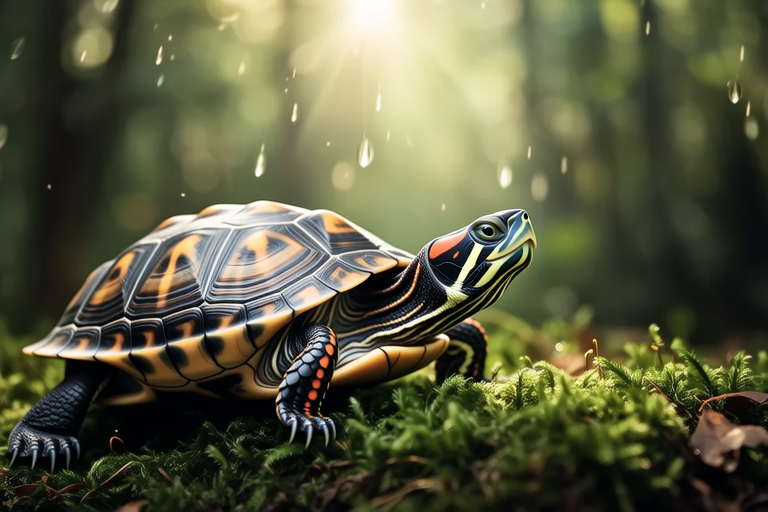
Three-striped box turtles are fascinating creatures with distinct features that make them stand out. Named for the three yellow stripes that run along each side of their head, these turtles are easily recognizable. Their shells, which range from brown to black, often feature intricate patterns that add to their charm. These markings serve as camouflage, helping them blend into their natural habitats.
These turtles are known for their ability to retract their head, legs, and tail completely within their shell, offering protection from predators. This defense mechanism is one of the reasons why they are called “box” turtles. Another notable characteristic is their longevity; three-striped box turtles can live for over 30 years with proper care. Their slow, deliberate movements reflect their peaceful nature, making them beloved pets and ambassadors for conservation efforts.
Encouraging Readers to Support Local Animal Rescues
The journey of the three-striped box turtle is just one example of the incredible transformations possible through the dedication of animal rescue organizations. We encourage readers to consider supporting local rescues in their communities. Whether through donations, volunteering, or adopting a rescued animal, every action makes a difference.
By fostering a culture of compassion and responsibility, we can create a world where every animal has a chance at a happy, healthy life. Let us continue to inspire and support one another in our efforts to make a positive impact on the lives of animals in need.
In conclusion, the story of the three-striped box turtle is a testament to the power of compassion and the importance of giving rescued animals a second chance. It reminds us that even the smallest actions can lead to profound changes, both for the animals and for ourselves. Together, we can build a brighter future for all creatures.
