Arowana Fish: A Comprehensive Guide
The arowana is a fascinating species of fish known for its unique characteristics, making it a popular choice among aquarists. Originating from the Amazonian waters, this fish has adapted remarkably well to aquarium settings, captivating enthusiasts with its striking appearance and intriguing behaviors.
Origin and Habitat
Arowanas belong to the Osteoglossidae family and are native to tropical freshwater habitats across Africa, Asia, and South America. The most popular varieties in the aquarium trade come from the Amazon River basin, where they inhabit slow-moving rivers, floodplains, and tributaries. These environments are characterized by dense vegetation, muddy substrates, and warm temperatures, which play a crucial role in shaping the arowana’s behavior and physiology.
Distinctive Features
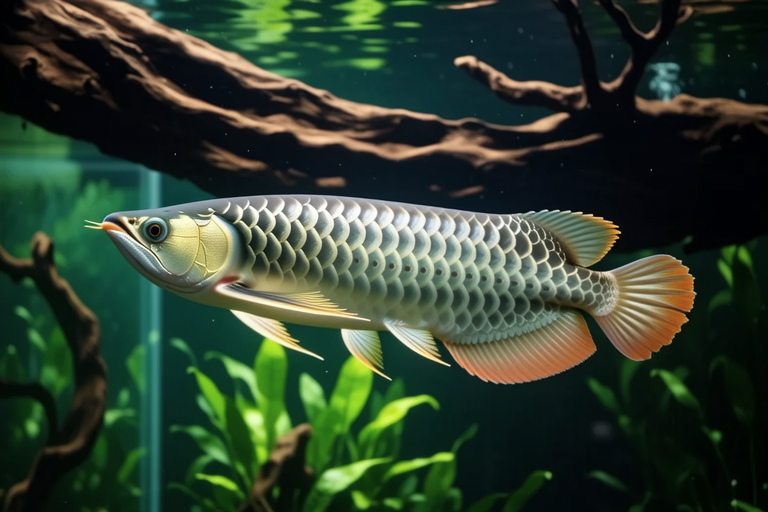
One of the most striking features of the arowana is its elongated body covered in shimmering, metallic scales that can range from silver to green or red, depending on the species. Their large, upward-facing eyes enable them to spot potential prey above the water’s surface, while their strong, powerful jaws equipped with sharp teeth allow them to capture and consume a variety of food items. Additionally, arowanas possess an impressive ability to leap out of the water, a behavior known as “jumping,” which they use to catch insects, small birds, and other aerial prey.
Adaptation to Aquarium Settings
Despite being wild animals, arowanas have successfully adapted to life in aquariums. However, providing them with an appropriate tank environment is essential for their well-being. A spacious tank measuring at least 36 inches long, 18 inches wide, and 24 inches high is recommended for a single adult arowana. The tank should be equipped with robust filtration systems, efficient heaters, and adequate lighting to maintain optimal water quality and temperature. Substrate choices should include smooth pebbles or sand to prevent injuries to the fish’s delicate underbelly.
Dietary Needs
Arowanas are carnivorous and require a diet rich in protein. In the wild, they feed on insects, small fish, crustaceans, and even birds. In captivity, their diet can be supplemented with high-quality pellets, frozen or live foods like bloodworms, krill, and brine shrimp. It is important to note that overfeeding can lead to obesity and other health issues, so portion control is key. Feeding should be done two to three times per week, with each meal consisting of an amount that the fish can consume within five minutes.
Common Health Issues
Like any other fish, arowanas are susceptible to various health problems. Some of the most common issues include fin rot, ich (white spot disease), and bacterial infections. Regular water changes, proper filtration, and maintaining stable water parameters can help prevent these conditions. If symptoms arise, it is advisable to consult a veterinarian specializing in aquatic animals for diagnosis and treatment.
Cultural Significance
Arowanas hold significant cultural importance in many parts of the world. In Chinese culture, they are considered symbols of good luck and prosperity, often referred to as “dragon fish” due to their resemblance to mythical dragons. This belief stems from ancient folklore and traditional medicine practices. Similarly, in other Southeast Asian countries, arowanas are revered for their beauty and strength, and owning one is seen as a status symbol.
Tips for New Owners
Choosing the right species is crucial when setting up an arowana aquarium. Popular options include the Asian arowana (Scleropages formosus) and the silver arowana (Osteoglossum bicirrhosum). Both species exhibit distinct physical traits and behavioral patterns, making them suitable for different types of aquaria. For instance, the Asian arowana is known for its vibrant colors and more docile temperament, whereas the silver arowana tends to be more aggressive and territorial.
To ensure the longevity of your arowana, it is vital to create a stimulating environment that mimics their natural habitat. This includes providing ample swimming space, incorporating hiding spots, and ensuring the water chemistry remains stable. Regular monitoring of water parameters such as pH, ammonia, nitrite, and nitrate levels is essential for maintaining a healthy living condition.
In conclusion, arowanas are magnificent creatures that offer both aesthetic appeal and educational value. By understanding their origins, distinctive features, dietary needs, and cultural significance, you can provide them with a thriving environment in your home aquarium. With proper care and attention, these majestic fish can bring joy and wonder to any aquarist.
