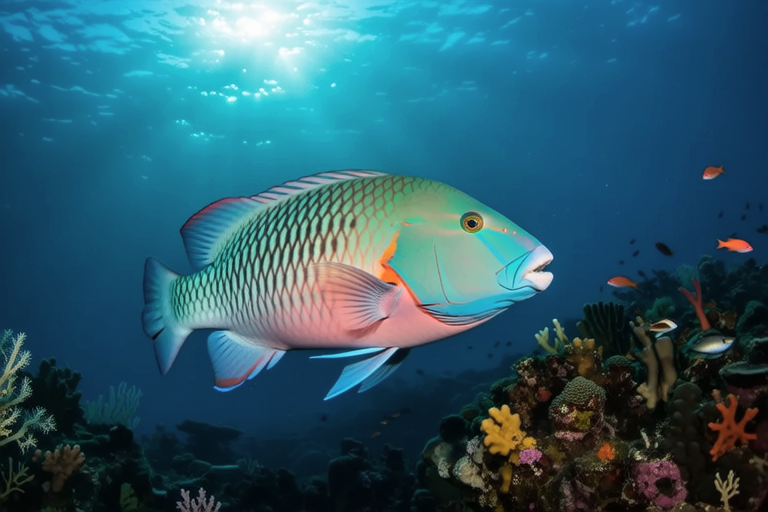
Top 10 Myths About Parrot Fish You Need to Know
Parrot fish are vibrant, fascinating creatures that play a crucial role in marine ecosystems. Found in tropical and subtropical waters around the world, these colorful fish are known for their beak-like mouths, which they use to scrape algae off coral reefs. Their unique feeding habits help maintain the health of coral reefs by preventing the overgrowth of algae. Despite their importance, there are many myths surrounding these beautiful fish. Let’s explore the top ten myths about parrot fish and uncover the truth behind them.
Myth 1: Parrot Fish Can Change Their Sex at Will
Myth: Many believe that parrot fish can change their sex whenever they choose, similar to clownfish. This idea stems from the observation that some species of fish can switch sexes based on environmental cues.
Fact: While it’s true that some fish species can change sex, parrot fish do not have this ability. The sex of parrot fish is determined genetically and does not change throughout their lifecycle. However, certain species of parrot fish may exhibit different behaviors or colorations as they mature, leading to confusion about their sex.
Myth 2: Parrot Fish Sleep With Their Eyes Open
Myth: There’s a widespread belief that all fish sleep with their eyes open because they lack eyelids.
Fact: While it’s true that most fish don’t have eyelids, they still find ways to rest. Parrot fish often hide in crevices or create a protective mucus cocoon during the night, effectively entering a state of rest. This behavior helps protect them from predators while they are less active.
Myth 3: Parrot Fish Are Carnivores
Myth: Some people think that parrot fish are meat-eaters, given their strong jaws and beak-like mouths.
Fact: Parrot fish are primarily herbivorous, feeding mainly on algae that grow on coral reefs. Their specialized teeth allow them to scrape algae off rocks and coral surfaces. They occasionally consume small invertebrates, but this is not their primary diet.
Myth 4: Parrot Fish Are Harmful to Coral Reefs
Myth: A common misconception is that parrot fish damage coral reefs due to their feeding habits.
Fact: Contrary to this belief, parrot fish are essential for maintaining healthy coral reefs. By grazing on algae, they prevent it from overgrowing and smothering corals. This feeding behavior promotes coral growth and diversity, making parrot fish vital to reef ecosystems.
Myth 5: All Parrot Fish Have the Same Coloration
Myth: It’s often assumed that all parrot fish look alike, especially when seen swimming together.
Fact: Parrot fish come in a wide range of colors and patterns, depending on their species and age. Juvenile parrot fish may look very different from adults, and males and females within the same species can also have distinct appearances. Their vibrant hues make them one of the most visually striking groups of marine fish.
Myth 6: Parrot Fish Can Live for Only a Few Years
Myth: There’s a notion that parrot fish have short lifespans, only living a couple of years.
Fact: Parrot fish can live much longer than a few years. Depending on the species, their lifespan can range from 10 to 20 years. Factors such as habitat quality, predation, and human activities significantly influence their longevity.
Myth 7: Parrot Fish Are Nocturnal
Myth: Some believe that parrot fish are primarily active at night, spending their days hidden away.
Fact: Parrot fish are diurnal, meaning they are most active during the day. They feed on algae and other food sources found on coral reefs, typically during daylight hours. Their activity patterns align with the availability of food and light conditions.
Myth 8: Parrot Fish Produce Pearls
Myth: An old myth suggests that parrot fish produce pearls inside their bodies, similar to oysters.
Fact: Parrot fish do not produce pearls. The idea likely stems from the beautiful, iridescent scales of some parrot fish species, which can resemble pearls. In reality, pearls are formed by mollusks like oysters and mussels, not by fish.
Myth 9: Parrot Fish Can Swim Backwards
Myth: It’s commonly thought that parrot fish can swim backwards, much like pufferfish.
Fact: Parrot fish cannot swim backwards. Their streamlined bodies and tail fins are designed for forward movement. The myth might arise from the fish’s ability to maneuver quickly in tight spaces while feeding, which can sometimes appear as if they’re moving backward.
Myth 10: Parrot Fish Are Endangered Due to Overfishing
Myth: There’s a belief that parrot fish are endangered globally due to overfishing.
Fact: While some populations of parrot fish are threatened by overfishing, the species as a whole is not considered globally endangered. However, specific populations in certain regions face significant pressure due to fishing practices. Conservation efforts are crucial to ensure the sustainability of these populations.
Conclusion
Understanding the truth about parrot fish is essential for appreciating their role in marine ecosystems. These myths, once dispelled, reveal the complexity and beauty of these creatures. Accurate knowledge helps foster respect for parrot fish and supports informed conservation efforts. By recognizing the vital role they play in maintaining coral reef health, we can work towards protecting these magnificent fish and the diverse ecosystems they inhabit.
