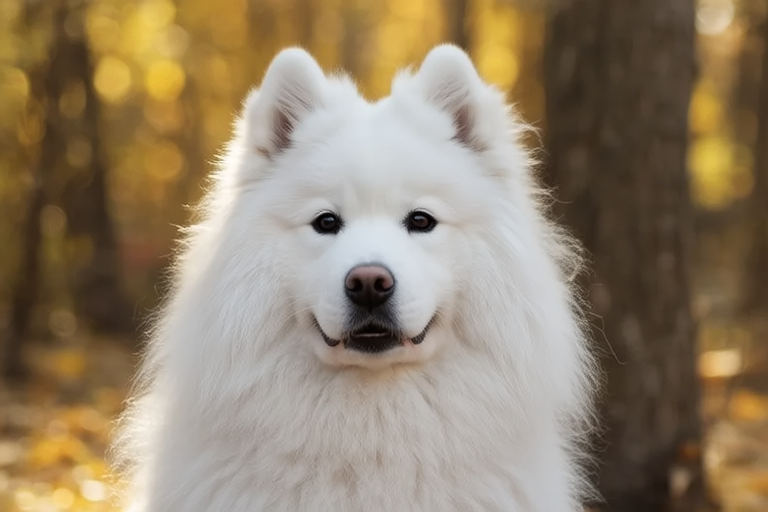
Samoyed: A Fluffy and Friendly Breed
The Samoyed is a breed renowned for its strikingly fluffy coat and friendly disposition. These dogs are often seen as an embodiment of joy and warmth, making them a favorite among dog enthusiasts. Their physical attributes, coupled with their amiable temperament, have made them a popular choice for families and individuals seeking a loyal and playful companion.
Physical Characteristics
Samoyeds are medium-sized dogs, typically weighing between 35 to 65 pounds and standing about 19 to 23.5 inches tall at the shoulder. They possess a robust yet elegant physique, characterized by a broad chest and strong legs that enable them to work tirelessly in harsh climates. Their most distinctive feature is undoubtedly their thick, double-layered coat, which serves as insulation against cold temperatures. The outer layer comprises long, straight guard hairs, while the undercoat is dense and wooly. This coat comes in various shades of white, cream, biscuit, or even light brown, though pure white is the most common and coveted color. The luxurious coat not only provides protection but also adds to their regal appearance.
Their faces are particularly expressive, featuring a broad, slightly rounded skull with a distinct stop, giving them a gentle and intelligent expression. Their dark, almond-shaped eyes are framed by long, feathery eyebrows and long, black-tipped ears that hang close to the sides of their head. One of the most endearing features of the Samoyed is their characteristic “Sammy smile,” created by the upward curve of their lips, which gives them a perpetually happy and welcoming look. This smile, combined with their soft, fluffy coat, has earned them the nickname “the smiling dog of Siberia.”
Temperament
Samoyeds are known for their exceptional intelligence, making them quick learners and eager to please their owners. This trait makes them highly trainable and responsive to positive reinforcement techniques. They are inherently playful and enjoy engaging in activities that stimulate both their minds and bodies. Their high energy levels and love for physical challenges make them ideal candidates for games like fetch or agility courses. Despite their exuberance, Samoyeds are gentle and patient, especially around children, which makes them excellent family pets.
They are naturally sociable and thrive in environments where they can interact with other animals and people. However, this sociability can sometimes lead to excessive barking if they become overexcited or bored. Early socialization and consistent training are essential to ensure that they develop into well-behaved and well-adjusted members of the household. Their friendly nature extends beyond just humans; Samoyeds are generally tolerant and accepting of other dogs and pets, making them a harmonious addition to multi-pet households.
History and Origins
The Samoyed breed has deep roots in Siberia, where it was originally developed by the nomadic Nenets people. These indigenous tribes relied heavily on the Samoyed’s strength, endurance, and loyalty to help them herd reindeer and pull sleds across vast expanses of snow-covered terrain. The Samoyed’s ability to withstand extreme cold and their tireless work ethic made them invaluable companions for the Nenets. In addition to their practical uses, Samoyeds were also cherished as loyal guardians and loving companions within the Nenets communities.
The breed gained international recognition when several Samoyeds were brought to England in the late 19th century. Their striking appearance and friendly demeanor quickly won over the hearts of British aristocrats and dog enthusiasts alike. From there, the Samoyed spread throughout Europe and eventually reached North America, where they became popular show dogs and family pets. Today, Samoyeds continue to be admired for their historical significance and their enduring appeal as beloved companions.
Energy Levels and Exercise Needs
Samoyeds are energetic dogs that require regular physical activity to maintain their health and happiness. They have a natural inclination toward outdoor activities, such as running, hiking, and playing in open spaces. Providing them with ample opportunities for exercise is crucial, as a lack of physical stimulation can lead to boredom, restlessness, and potentially destructive behavior. Daily walks, jogs, or trips to the dog park are recommended to keep them mentally and physically engaged. Engaging in interactive games that challenge their problem-solving skills can also help satisfy their intellectual curiosity.
It is important to note that while Samoyeds enjoy being active, they are not overly demanding in terms of exercise compared to some other working breeds. However, their energy levels can vary depending on individual temperaments and environmental factors. Some Samoyeds may be more laid-back indoors, while others might need more structured activities to prevent excess energy from building up. Regardless of their activity level, providing consistent exercise routines helps ensure that these dogs remain healthy and content.
Grooming Requirements
The Samoyed’s thick, double-layered coat requires regular grooming to maintain its cleanliness and prevent matting. Brushing should be done at least three times a week, with daily brushing during shedding seasons to manage loose hair effectively. Bathing should be limited to when necessary, as frequent washing can strip the coat of its natural oils. Using a gentle shampoo specifically designed for dogs is advisable. Additionally, paying attention to their nails, teeth, and ears is essential for overall hygiene.
Due to their heavy shedding, especially during spring and fall, it is vital to invest in quality grooming tools and products. Regular brushing helps remove dead hair and prevents it from accumulating in the environment. Some owners opt for professional grooming sessions to ensure thorough cleaning and maintenance of their Samoyed’s coat. Proper grooming not only keeps the dog looking its best but also promotes skin health and reduces the risk of skin infections.
Common Health Issues
Like all dog breeds, Samoyeds are susceptible to certain health conditions. Hip dysplasia, a genetic disorder affecting the hip joint, is one of the most prevalent issues among large breeds, including Samoyeds. This condition can cause discomfort and mobility problems, so regular veterinary check-ups and early intervention are crucial. Other common health concerns include progressive retinal atrophy (PRA), which can lead to blindness, and cataracts, another eye-related issue. Dental problems, such as periodontal disease, are also relatively common in older Samoyeds.
To minimize the risk of these health issues, responsible breeding practices are essential. Selecting breeders who prioritize genetic diversity and conduct health screenings for potential parents can significantly reduce the likelihood of passing on hereditary conditions. Regular veterinary care, including vaccinations, routine check-ups, and preventive treatments, is also vital for maintaining the overall health and well-being of Samoyeds. Early detection and treatment of any health problems can greatly improve the quality of life for these dogs.
Training and Socialization
Given their intelligence and eagerness to please, Samoyeds respond well to positive reinforcement training methods. Consistency, patience, and rewards-based techniques are key to successful training. Early socialization is equally important, as it helps Samoyeds develop good manners and adapt to various environments and situations. Exposing them to different people, animals, and experiences from a young age fosters confidence and reduces the likelihood of behavioral issues later in life.
Training should focus on reinforcing desired behaviors through praise, treats, and affection. Basic commands such as sit, stay, come, and heel are essential for ensuring safety and obedience. Advanced training can include more complex tasks, such as agility exercises or obedience competitions, which can provide mental stimulation and enhance the bond between the owner and the dog. It is important to establish clear boundaries and rules from the outset to prevent any confusion or unwanted behavior.
Why Samoyeds Make Wonderful Companions
Samoyeds are beloved for their loyalty, affection, and unwavering devotion to their families. Their gentle nature and playful demeanor make them ideal companions for children and adults alike. They form strong bonds with their human counterparts and are always ready to offer comfort and companionship. Their cheerful disposition and expressive faces bring joy to those around them, creating a warm and inviting atmosphere wherever they go.
With their rich history and unique characteristics, Samoyeds continue to captivate dog lovers worldwide. Their combination of beauty, intelligence, and friendliness makes them truly remarkable companions. Whether you’re seeking a loyal protector, a playful playmate, or simply a loving presence in your home, a Samoyed is sure to bring endless happiness and satisfaction. Investing time and effort into their care and training will reward you with a devoted and cherished member of your family.
