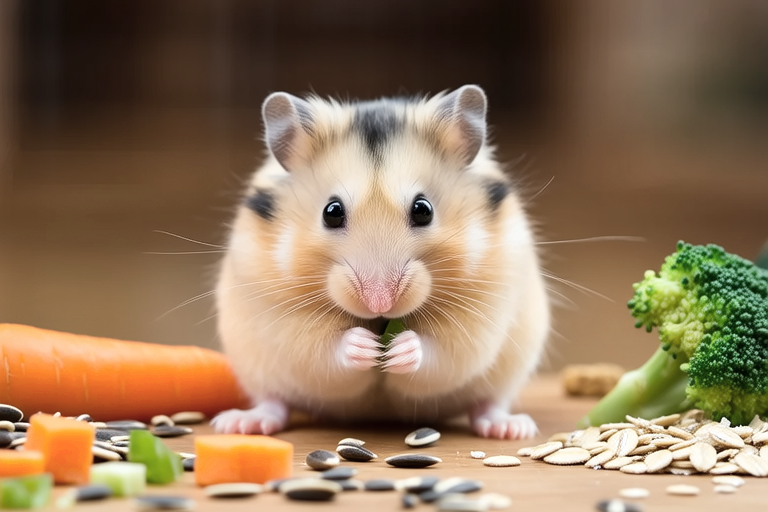
Hamster Diet Guide: What Every Owner Needs to Know About Feeding Their Pet
Welcome to the Hamster Diet Guide, your ultimate resource for understanding what your furry friend needs to thrive. As a hamster owner, it’s crucial to know the essentials of their diet to ensure they live a long, healthy life. This guide will cover basic dietary requirements, suitable food types, recommended portion sizes, and feeding frequencies. We’ll also discuss the importance of fresh water and hygiene, common feeding mistakes, and how to introduce new foods safely. Additionally, we’ll explore seasonal considerations and conclude with advice on maintaining a healthy weight for your hamster.
Basic Dietary Requirements
Hamsters are omnivores, which means they eat both plants and animals. Their diet should consist of a balanced mix of carbohydrates, proteins, fats, vitamins, and minerals. The ideal diet for a hamster includes commercial pellets, fresh vegetables, fruits, and occasional treats. These components provide the necessary nutrients for growth, energy, and overall health.
Types of Food Suitable for Hamsters
Pellets
Pellets are an excellent source of nutrition for hamsters. They are formulated to meet the dietary needs of these small creatures. Pellets come in various flavors and textures, but opt for those that are specifically designed for hamsters. Avoid pellets with artificial colors or flavors. A high-quality pellet should contain a balance of grains, seeds, and dried fruits.
Vegetables
Fresh vegetables are a great addition to your hamster’s diet. They provide essential vitamins and minerals. Some safe vegetables include carrots, bell peppers, cucumbers, and spinach. Always wash vegetables thoroughly before feeding them to your hamster. Introduce new vegetables gradually to avoid digestive issues.
Fruits
Fruits can be given occasionally as treats. Apples, bananas, and strawberries are popular choices. However, due to their high sugar content, fruits should be fed sparingly. Limit fruit intake to once or twice a week.
Recommended Portion Sizes and Frequency of Feeding
Adult hamsters should be fed approximately one tablespoon of pellets daily. Fresh vegetables can be offered in small quantities, about half a teaspoon per day. Fruits should be limited to small pieces, no more than a few times a week. It’s important not to overfeed, as obesity can lead to health problems.
Feed your hamster at the same time each day. Most hamsters are nocturnal, so evening feedings are preferable. Fresh food should be removed after a few hours to prevent spoilage. Always store pellets in a cool, dry place to maintain freshness.
The Importance of Fresh Water and Hygiene
Providing clean, fresh water is vital for your hamster’s health. Use a water bottle with a sipper tube to ensure easy access. Check the water bottle daily for leaks or blockages. Replace the water every two days and clean the bottle thoroughly to prevent bacterial growth.
Maintaining hygiene in your hamster’s living space is equally important. Clean the cage weekly, removing soiled bedding and uneaten food. Regular cleaning helps prevent illness and ensures your hamster has a comfortable environment.
Common Feeding Mistakes and Their Consequences
Overfeeding is a common mistake among hamster owners. Excessive food can lead to obesity, which increases the risk of heart disease, diabetes, and joint problems. Another mistake is feeding inappropriate foods, such as chocolate, avocado, and raw beans, which can be toxic to hamsters.
Failure to provide fresh water can cause dehydration and other health issues. Ignoring hygiene practices can result in infections and diseases. Always be cautious about the foods you offer and the cleanliness of your hamster’s habitat.
Tips for Introducing New Foods Safely
Introducing new foods gradually helps prevent digestive upset. Start by offering a tiny amount of the new food and monitor your hamster for any signs of discomfort. If your hamster shows no adverse reactions within 24 hours, you can gradually increase the portion size. Never introduce multiple new foods at once, as this makes it difficult to identify problematic items.
Seasonal Considerations
Seasons can affect your hamster’s diet. In colder months, you may need to adjust the type of vegetables and fruits available. Opt for root vegetables like carrots and potatoes during winter. Summer provides a wider variety of fresh produce, but be mindful of high-sugar fruits like watermelon and grapes.
During hot weather, ensure your hamster has access to plenty of fresh water. Consider offering frozen treats like ice cubes or frozen vegetables to help keep your hamster cool.
Maintaining a Healthy Weight for Your Hamster
Monitoring your hamster’s weight is crucial for its well-being. A healthy adult Syrian hamster weighs between 100 and 150 grams, while a dwarf hamster weighs around 20 to 40 grams. Weigh your hamster regularly and consult your veterinarian if you notice significant changes.
Regular exercise is also important for maintaining a healthy weight. Provide toys and tunnels for your hamster to play in. Exercise wheels are beneficial but should be used under supervision to prevent injury.
In conclusion, understanding your hamster’s dietary needs is key to providing optimal care. By following the guidelines outlined in this guide, you can ensure your pet enjoys a balanced, nutritious diet that supports its health and happiness. Remember, a happy hamster is a healthy hamster!
