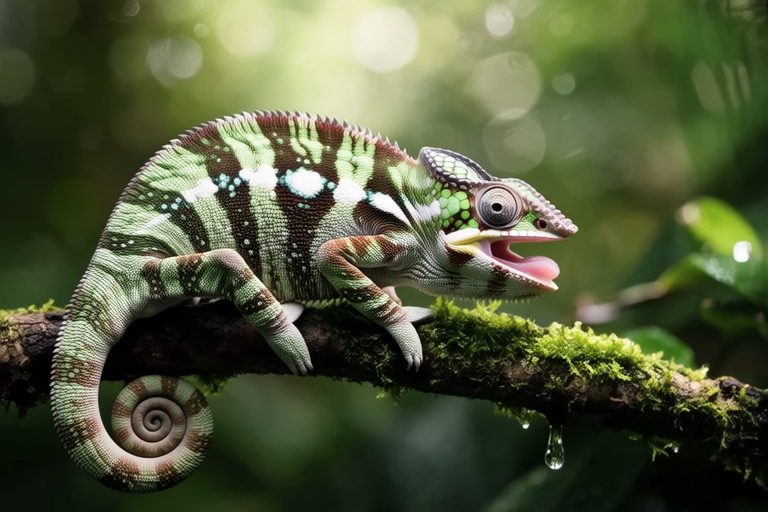
Debunking Common Myths About Chameleons
Introduction:
Chameleons are fascinating creatures that have captivated human imagination for centuries. Known for their ability to change color and their unique physical features, these reptiles have become increasingly popular as exotic pets. Their distinctive appearance, combined with the allure of their seemingly magical abilities, has made them a favorite among reptile enthusiasts. However, many misconceptions about chameleons persist, often leading to misunderstandings about their care and behavior. This article aims to debunk five common myths about chameleons, providing accurate information based on scientific research and expert knowledge.
Myth 1: Chameleons Change Color to Blend Into Their Surroundings
The Myth: One of the most widely held beliefs about chameleons is that they can change color to match their environment, allowing them to blend in perfectly with their surroundings.
The Truth: While it’s true that chameleons can alter their color, this ability serves multiple purposes beyond just camouflage. Studies have shown that chameleons primarily use color changes for communication, thermoregulation, and mood expression. For example, when a chameleon feels threatened or excited, it may display vibrant colors to deter predators or signal aggression. Conversely, when they are relaxed or calm, their colors may be more subdued. The exact shade of color a chameleon displays depends on its emotional state, temperature, and even its health status. Thus, while chameleons can change color, this ability is far more complex than simply mimicking their environment.
Myth 2: Chameleons Can Survive on a Diet of Just Insects
The Myth: Many people believe that chameleons can thrive solely on an insect-based diet.
The Truth: While insects are indeed a crucial part of a chameleon’s diet, they require a balanced nutritional intake to maintain optimal health. In the wild, chameleons consume a variety of foods, including fruits, flowers, and occasionally plant matter. Captive chameleons should also be provided with a diverse diet that includes leafy greens, vegetables, and fruits in addition to insects. Additionally, it’s important to gut-load the insects (feed them nutritious food) and dust them with supplements to ensure they provide adequate nutrients. Proper nutrition is vital for preventing deficiencies that can lead to serious health issues.
Myth 3: Chameleons Prefer to Live in Groups
The Myth: Some individuals think that chameleons enjoy the company of other chameleons and should be kept in groups.
The Truth: Chameleons are solitary animals that prefer to live alone. In the wild, they establish territories and defend them against intruders. Keeping multiple chameleons together in captivity can lead to aggressive behavior, stress, and potentially fatal conflicts. Each chameleon requires its own spacious enclosure to ensure it has enough room to move around comfortably and avoid stress from competition for resources. Providing a suitable habitat is essential for the well-being of your chameleon.
Myth 4: Chameleons Can Survive Without UVB Light
The Myth: There is a misconception that chameleons can survive without UVB light.
The Truth: UVB light is crucial for chameleons’ health, as it helps them synthesize vitamin D3, which aids in calcium absorption and bone development. Without sufficient UVB exposure, chameleons can develop metabolic bone disease, leading to severe health problems. Therefore, it’s imperative to provide a high-quality UVB lamp within the appropriate range of 10-12% for most species. The lamp should be placed so that the chameleon can bask under it, and it’s recommended to replace the bulb every six months to ensure it remains effective. Proper lighting is a fundamental aspect of chameleon care.
Myth 5: Chameleons Are Low-Maintenance Pets
The Myth: Another prevalent belief is that chameleons are easy to care for and require minimal attention.
The Truth: Chameleons are highly specialized animals with specific environmental needs that must be met to ensure their health and longevity. Maintaining the correct humidity levels, providing adequate ventilation, and ensuring proper heating and lighting are all critical aspects of chameleon care. Regular cleaning of the enclosure and monitoring for signs of illness or stress are also necessary. While chameleons can make rewarding pets, they demand a significant commitment in terms of time, effort, and resources. Potential owners should thoroughly research and prepare themselves before bringing a chameleon into their home.
Tips for Proper Care of Chameleons
Here are some key tips for caring for your chameleon:
- Provide a spacious, well-ventilated enclosure that mimics their natural habitat.
- Ensure there is an appropriate gradient of heat within the enclosure for thermoregulation.
- Install a reliable UVB lighting system to promote healthy calcium metabolism.
- Offer a varied diet consisting of insects, leafy greens, and occasional fruits.
- Maintain consistent humidity levels to prevent dehydration and respiratory issues.
- Regularly clean the enclosure and monitor your chameleon’s behavior and health closely.
Conclusion
Understanding the realities behind these myths is crucial for anyone considering a chameleon as a pet. By dispelling these misconceptions and providing accurate information, we hope to encourage responsible ownership and promote the well-being of these remarkable creatures. Chameleons are fascinating animals with unique needs that require careful consideration before making the decision to bring one into your home. With the right knowledge and dedication, you can ensure that your chameleon lives a long, healthy, and happy life.
