Hotot Rabbits: The Enchanting Pets with Distinctive White Rings Around Their Eyes
The world of rabbit breeds is vast and diverse, offering a wide range of options for pet owners seeking companionship and charm. Among these breeds, the Hotot rabbit stands out as one of the most unique and captivating choices. Known for their striking appearance, gentle nature, and relatively low maintenance care, Hotots have earned a reputation as enchanting pets. This article delves into the history, characteristics, care requirements, and health considerations of the Hotot rabbit, providing prospective owners with all the information needed to make an informed decision.
A Brief History of the Hotot Rabbit
The Hotot rabbit breed originated in France at the beginning of the 20th century. Developed by Eugenie Bernhard, a French breeder, the Hotot was created through selective breeding from the Albino de Lille and Checkered Giant rabbit breeds. The goal was to produce a pure white rabbit with a black ring around its eyes, but due to genetic limitations, this ideal could not be achieved. Instead, a white ring surrounding the black eyes became the hallmark of the breed. Despite the change in appearance, the Hotot rabbit quickly gained popularity among rabbit enthusiasts for its beauty and docile temperament.
The Unique Appearance of Hotot Rabbits
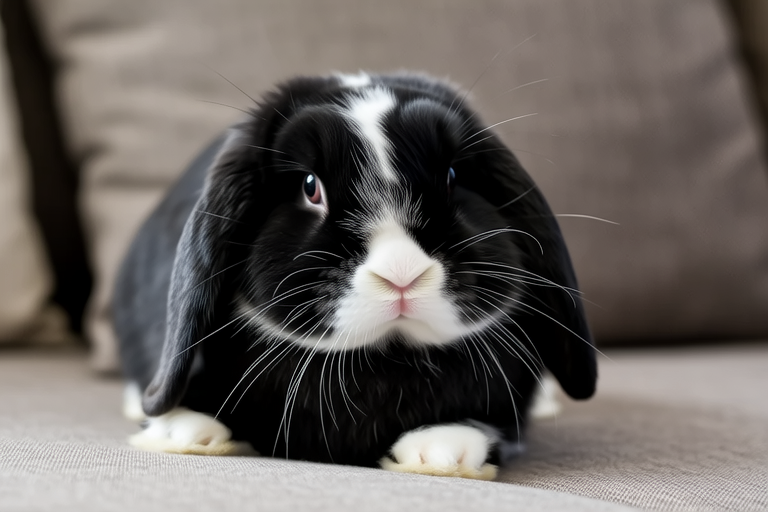
One of the most striking features of the Hotot rabbit is its distinctive white ring encircling its dark eyes. This feature, often referred to as “eye makeup,” gives the breed a unique and elegant look. The white ring is symmetrical and well-defined, making each Hotot appear almost like it has been carefully painted. The contrast between the white fur and the dark eyes is further accentuated by the rabbit’s pure white coat, which is short, dense, and glossy. The eyes of the Hotot are typically black, though some individuals may have blue or red eyes. The ears of the Hotot are long and upright, adding to the breed’s graceful appearance.
Hotot rabbits come in two recognized varieties: standard and mini. Standard Hotots are larger, with does weighing between 4 and 5 kilograms and bucks between 3.5 and 4.5 kilograms. Mini Hotots are smaller, with does weighing between 2 and 2.5 kilograms and bucks between 1.5 and 2 kilograms. Both varieties share the same distinctive eye markings, making them instantly recognizable.
Temperament and Personality
Hotot rabbits are known for their calm and gentle demeanor, making them excellent pets for families and individuals alike. They are generally friendly and enjoy human interaction, often seeking out attention and affection. Due to their docile nature, Hotots are particularly suitable for households with children, provided that proper supervision is maintained during interactions. The breed’s quiet and peaceful disposition also makes it a good choice for apartment living, as they are less likely to cause disturbances compared to more active breeds.
Care Requirements
Proper care is essential for ensuring the health and happiness of any pet, including Hotot rabbits. Below are some key aspects of caring for Hotot rabbits:
- Housing: Hotot rabbits require a spacious, clean, and secure environment. An indoor hutch with plenty of room for movement and exercise is ideal. The hutch should be large enough to allow the rabbit to stretch out fully and stand up on its hind legs without touching the top. A solid floor is preferable to wire flooring, as it provides better support for the rabbit’s feet. Additionally, the hutch should be placed in a cool, shaded area to protect the rabbit from extreme temperatures.
- Exercise: Regular exercise is crucial for maintaining the physical and mental health of Hotot rabbits. Providing ample space for play and exploration is important, as rabbits need to move around to stay healthy. Owners can create an enclosed play area within their home or yard, allowing the rabbit to hop, run, and engage in other natural behaviors.
- Grooming: Hotot rabbits have short, dense coats that require minimal grooming. However, regular brushing can help remove loose hair and prevent matting. Bathing is generally unnecessary unless the rabbit becomes excessively dirty. It’s important to handle the rabbit gently during grooming sessions to ensure a positive experience.
- Toys and Enrichment: Providing toys and enrichment activities can help keep Hotot rabbits mentally stimulated and entertained. Chew toys, tunnels, and puzzle feeders are great options for promoting mental engagement and preventing boredom.
Dietary Needs
A balanced diet is vital for the overall health of Hotot rabbits. Their diet should consist primarily of hay, which should make up the majority of their daily intake. Fresh hay, such as timothy hay or orchard grass, provides essential fiber that aids digestion and promotes dental health. In addition to hay, Hotot rabbits should be offered fresh vegetables and a small amount of pellets formulated specifically for rabbits. Dark leafy greens, such as romaine lettuce, spinach, and kale, are excellent choices for vegetable consumption. Fruits can be given sparingly as treats due to their high sugar content. Clean, fresh water should always be available to the rabbit.
Common Health Issues
Like all animals, Hotot rabbits are susceptible to certain health issues. Some of the most common problems include:
- Dental Problems: Dental issues, such as overgrown teeth, can occur if the rabbit does not receive adequate wear on its teeth through chewing. Ensuring a diet rich in hay and providing chew toys can help prevent these issues.
- Gastrointestinal Stasis: This condition occurs when the rabbit’s digestive system slows down or stops functioning properly. Signs of gastrointestinal stasis include reduced appetite, lethargy, and decreased fecal production. Maintaining a balanced diet and ensuring regular exercise can help prevent this condition.
- Ear Mites: These tiny parasites can cause discomfort and irritation to the rabbit’s ears. Regular inspection and prompt treatment are necessary to address this issue.
- Skin Conditions: Hotot rabbits can develop skin conditions, such as allergies or infections, which may require veterinary care.
Regular check-ups with a veterinarian experienced in rabbit care can help identify and address health issues early on, ensuring the longevity and well-being of your Hotot rabbit.
Tips for Potential Owners
If you’re considering bringing a Hotot rabbit into your home, here are some tips to ensure a smooth transition and a happy, healthy pet:
- Research and Preparation: Before acquiring a Hotot rabbit, thoroughly research the breed’s specific needs and prepare your home accordingly. Ensure you have the necessary supplies, such as a suitable hutch, bedding, toys, and food.
- Choose a Reputable Breeder: Selecting a reputable breeder is crucial for obtaining a healthy and well-socialized rabbit. Ask about the breeder’s practices, including health checks and socialization techniques.
- Gradual Introduction: When introducing a new Hotot rabbit to your household, take things slowly. Allow the rabbit time to adjust to its new environment and gradually introduce it to family members and other pets.
- Establish Routines: Establishing consistent routines for feeding, cleaning, and playtime can help your Hotot rabbit feel secure and comfortable in its new home.
- Seek Veterinary Care: Regular visits to a veterinarian experienced in rabbit care can help ensure your Hotot remains healthy throughout its life. Be prepared to address any health concerns promptly.
With their unique appearance, gentle temperament, and relatively low maintenance care, Hotot rabbits make enchanting pets for those willing to provide them with the love and attention they deserve. By understanding their specific needs and providing appropriate care, you can ensure a rewarding and fulfilling relationship with your Hotot rabbit.
