Bearded Dragon Behavior Decoded: What Their Actions Really Mean
Introduction
Bearded dragons have become one of the most popular reptile pets in recent years. Known for their docile nature and ease of care, these lizards from the arid regions of Australia are a favorite among reptile enthusiasts. With their distinctive appearance, which includes a spiky beard and a broad, triangular head, bearded dragons offer a unique charm that captivates many pet owners. Understanding their behavior is crucial for providing the best care and ensuring a harmonious relationship between the dragon and its human companion.
Puffing Up Their Beards
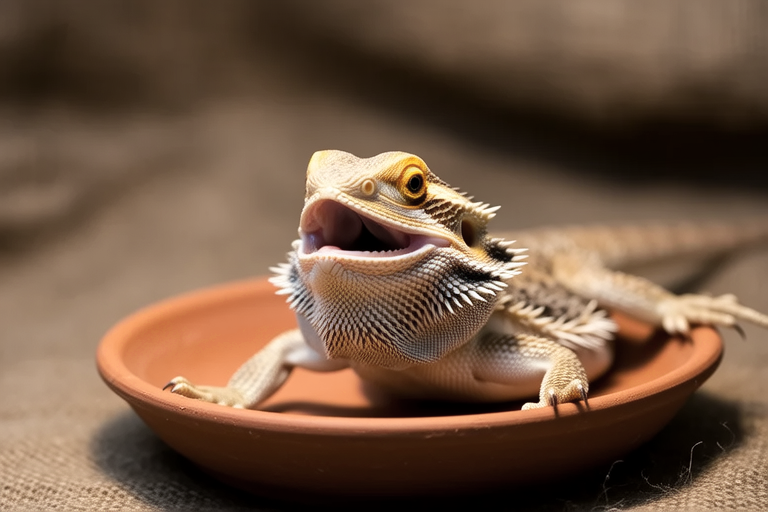
One of the most striking behaviors of bearded dragons is when they puff out their beards. This action is often seen when they feel threatened or during courtship displays. The beard, lined with spiny scales, inflates to appear larger and more intimidating to potential predators or rivals. Scientifically, this behavior is linked to the lizard’s ability to control the muscles around its throat, allowing it to change its appearance rapidly. When you observe your bearded dragon puffing its beard, it’s important to assess the surrounding environment. If there are no apparent threats, it could simply be part of a courtship ritual or a response to excitement.
Changing Colors
Bearded dragons are also known for their ability to change color. They can shift from their usual earthy tones to brighter shades, particularly when stressed, excited, or trying to regulate their body temperature. This color-changing ability, known as chromatophore function, is controlled by specialized cells beneath their skin. These cells expand or contract based on stimuli, altering the pigmentation and thus the visible color of the dragon. Understanding this behavior helps owners recognize stress triggers and adjust the environment accordingly. For instance, if your dragon frequently changes colors in a specific area of its enclosure, it might be too hot or cold for comfort.
Head Bobbing
Head bobbing is another common behavior that can have multiple meanings depending on the context. In males, this movement is often associated with dominance displays, especially when competing for mates or territory. The rapid up-and-down motion of the head serves as a visual signal to other dragons. Female bearded dragons may also perform a slower, more deliberate head bob to assert their status within a group. Observing head bobbing in your pet can provide insight into its social dynamics and overall well-being. It’s essential to ensure that your dragon has enough space and appropriate companions if you choose to house multiple bearded dragons together.
Arm Waving
Arm waving is a fascinating behavior that is primarily seen in younger bearded dragons. When a young dragon waves its front leg in slow, circular motions, it is usually a sign of submission. This gesture is directed towards larger, more dominant individuals, including humans. It’s a way for the smaller dragon to communicate its non-threatening nature and avoid conflict. As bearded dragons grow older, they tend to wave less frequently, but the behavior remains significant for establishing hierarchies and reducing aggression. Recognizing this behavior can help new owners understand their pet’s social cues and respond appropriately.
Other Notable Behaviors
In addition to the behaviors mentioned above, bearded dragons exhibit several other interesting actions. Basking, for example, is a critical activity that allows them to regulate their body temperature. They often bask under heat lamps or in sunny spots, extending their arms and legs to maximize exposure. Another behavior is digging, which is a natural instinct for bearded dragons. They may dig in their substrate to create burrows or simply for the enjoyment of the activity. Owners should provide suitable digging areas to satisfy this need and prevent destructive behavior elsewhere.
Understanding Behaviors for Improved Care
Understanding the various behaviors of bearded dragons is not just about curiosity; it’s about enhancing the quality of care and interaction. By recognizing signs of stress, such as frequent color changes or excessive hiding, owners can quickly address environmental issues. Similarly, observing feeding behaviors can help determine whether the dragon is receiving adequate nutrition. Regular interaction and gentle handling can also encourage positive behaviors and strengthen the bond between the pet and its owner.
Tips for Creating a Healthy Environment
To encourage healthy behavior in bearded dragons, it’s important to create an optimal living environment. Start by setting up a spacious enclosure with appropriate lighting and heating. UVB lighting is crucial for vitamin D synthesis and calcium absorption, while basking spots should reach temperatures between 95-110°F (35-43°C). Providing a variety of substrates, such as sand or coconut fiber, can stimulate natural behaviors like digging. Additionally, offering a mix of live insects and vegetables ensures a balanced diet. Regular cleaning and monitoring of humidity levels are also vital for maintaining good health.
Conclusion
Decoding the behaviors of bearded dragons offers a deeper connection between the pet and its owner. From puffing beards to changing colors, each action provides valuable insights into the dragon’s emotional state and needs. By understanding these behaviors, owners can create a nurturing environment that supports the physical and psychological well-being of their pets. Whether you’re a new or experienced bearded dragon owner, paying attention to these subtle cues will enrich your experience and ensure a thriving, happy pet.
